
Sodium in the American Diet: Where It Actually Comes From

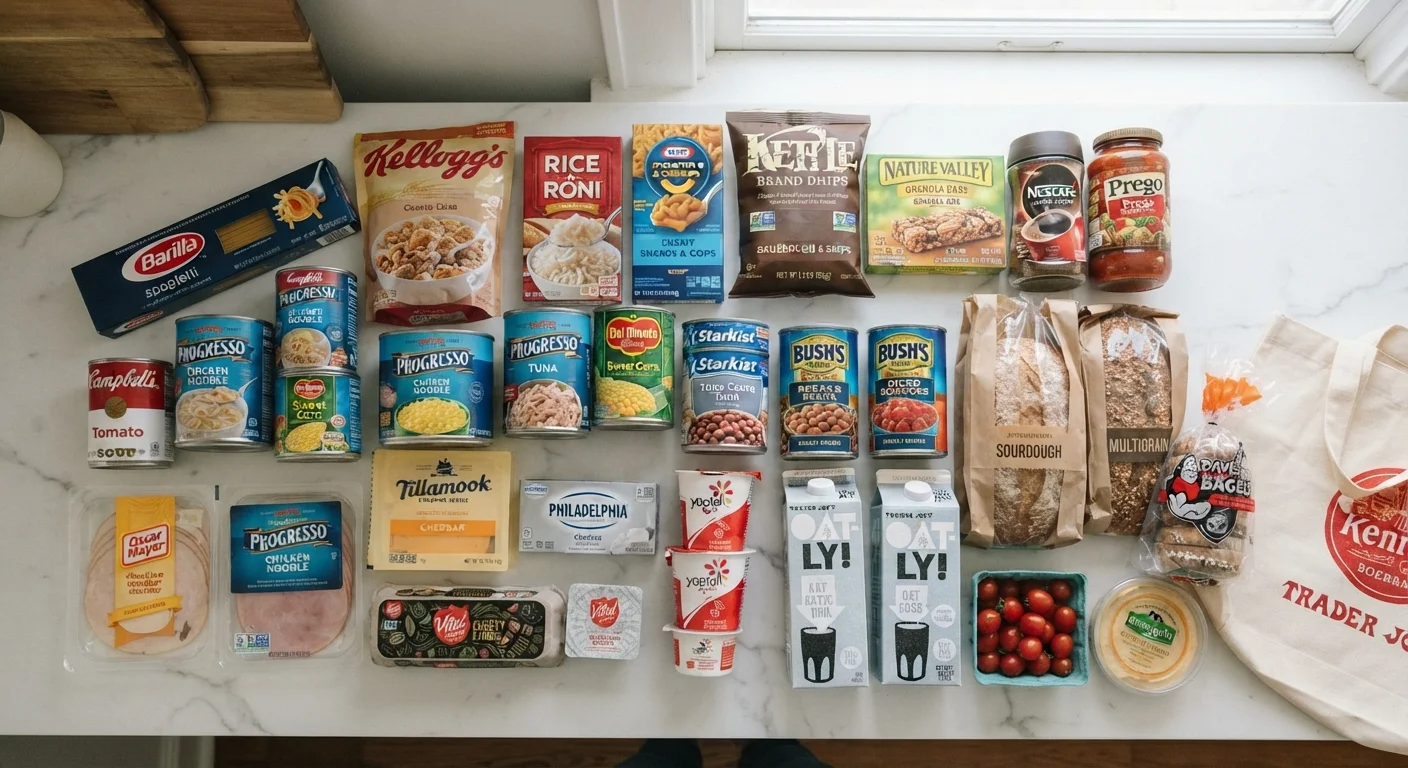
Photo: Online-Searches.net | Explore Insightful Blogs editorial
The Salt Shaker Is Not the Problem
When people think about cutting back on sodium, they often picture themselves pushing the salt shaker aside at dinner. In reality, that gesture addresses only a fraction of the issue. Health guidance consistently points to a surprising finding: roughly 70 to 75 percent of the sodium in the average American diet comes from processed, packaged, and restaurant foods — not from salt added at the table or during home cooking.
This matters because it changes where you need to focus your attention. The salt shaker accounts for an estimated 5 to 10 percent of daily sodium intake for most people. Discretionary seasoning is almost a rounding error compared to what arrives pre-loaded in the foods we buy.
Understanding the actual sources of dietary sodium is a practical first step toward managing it — without turning every meal into a guessing game.
The Biggest Sources of Dietary Sodium
Research from the Centers for Disease Control and Prevention (CDC) has identified a consistent set of food categories that contribute the most sodium to American diets. They are not exotic or unusual — they are everyday staples.
- Breads and rolls: Often the top contributor, not because a single slice is high in sodium, but because most Americans eat bread multiple times daily across many different meals.
- Pizza: A combination of dough, cheese, sauce, and processed meat toppings makes pizza a notable sodium source per serving.
- Sandwiches and burgers: Bread, deli meat, cheese, and condiments all stack sodium, making sandwiches a significant cumulative source.
- Cold cuts and cured meats: Preservation methods rely heavily on salt. A few slices of deli turkey or salami can deliver a substantial portion of a day's intake.
- Soups: Canned and restaurant soups are among the most concentrated single-serving sodium sources available. One cup of many commercial soups can contain 700–900 mg or more.
- Savory snacks: Chips, crackers, pretzels, and popcorn are engineered to be palatable, and sodium plays a central role in that formula.
- Cheese: Often overlooked, cheese contributes meaningful sodium across breakfasts, lunches, and dinners.
- Chicken dishes (including fast food): Marinades, brining, breading, and sauces mean that chicken — widely perceived as a lighter choice — is often a significant sodium vehicle.
Sodium
A mineral and electrolyte that plays essential roles in fluid balance and nerve function. In nutrition, it is most commonly consumed as sodium chloride (table salt). High intake over time is associated with elevated blood pressure in many individuals.
Dietary Guidelines for Americans
Evidence-based federal nutrition recommendations published jointly by the U.S. Departments of Agriculture and Health and Human Services, updated every five years to reflect current nutrition science.
Processed food
Any food that has been altered from its natural state, often through cooking, canning, freezing, or the addition of preservatives and flavorings. Processing frequently adds sodium as a preservative or flavor enhancer.
Nutrition Facts label
The standardized panel on packaged food products in the U.S. that lists calories, macronutrients, vitamins, and minerals per serving, including sodium content in milligrams.
Restaurant meals and takeout, regardless of cuisine, generally run higher in sodium than home-cooked equivalents because professional kitchens season food aggressively and use pre-made, high-sodium components.
What General Health Guidance Says About Intake
The Dietary Guidelines for Americans recommend that most adults consume less than 2,300 milligrams (mg) of sodium per day — roughly equivalent to one teaspoon of table salt. Current estimates suggest the average American adult takes in closer to 3,400 mg daily, well above that threshold.
It is worth noting that sodium needs can vary based on individual health status. People with certain conditions — including high blood pressure, kidney disease, or heart failure — are often advised by their healthcare providers to aim for lower amounts. This article provides general information only; if you have a specific health condition, speak with a qualified healthcare professional about what is appropriate for your situation.
Serving Size Makes a Big Difference
Reading the Nutrition Facts label is the most reliable way to track sodium. Pay attention to both the milligrams per serving and the serving size — a package that appears modest in sodium can quickly multiply if the portion you actually eat is two or three times what the label lists. For readers interested in other nutrients that interact with overall dietary quality, fiber is another area where most Americans fall short of general guidance. Understanding both can help build a more complete picture of everyday eating patterns — and how dietary fiber works offers further context for those exploring special diet frameworks.
This article is for general informational and educational purposes only and is not a substitute for personalized medical or dietary advice. Consult a qualified healthcare provider for guidance specific to your health needs.
The content provided on our blog site traverses numerous categories, offering readers valuable and practical information. Readers can use the editorial team’s research and data to gain more insights into their topics of interest. However, they are requested not to treat the articles as conclusive. The website team cannot be held responsible for differences in data or inaccuracies found across other platforms. Please also note that the site might also miss out on various schemes and offers available that the readers may find more beneficial than the ones we cover.