
Car Maintenance for New Drivers: Where to Start

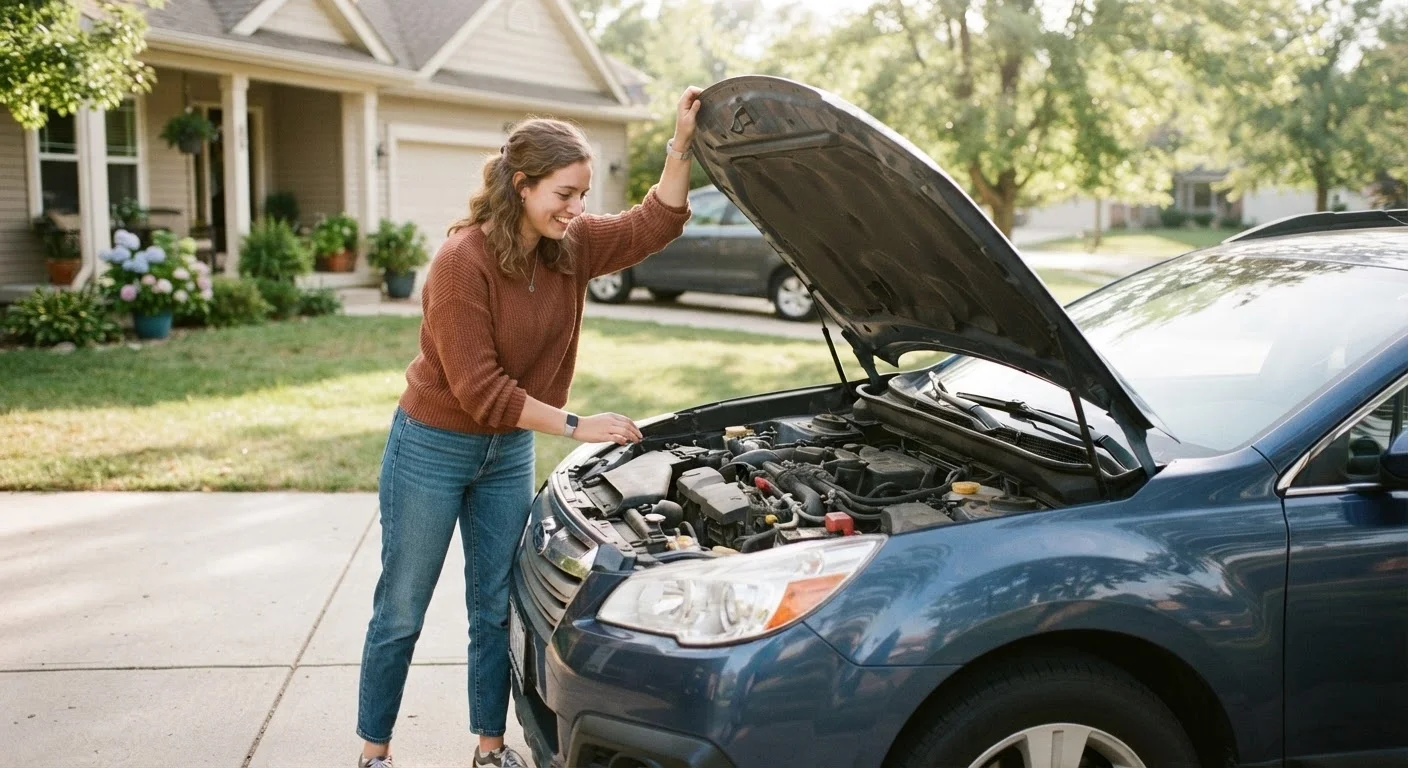
Photo: Online-Searches.net | Explore Insightful Blogs editorial
Key Takeaways
- Your owner's manual is the single most reliable source for your vehicle's specific maintenance needs.
- Oil changes, tire pressure, and fluid checks are the foundation of routine car care.
- Many basic checks take only minutes and require no special tools.
- Skipping small maintenance tasks is a common cause of expensive breakdowns.
- Knowing which jobs need a professional protects both your safety and your vehicle.
Why Routine Maintenance Matters
A car is one of the most complex machines most people own, but keeping it running well doesn't require an engineering degree. Routine maintenance is simply a series of small, scheduled tasks that prevent larger, more expensive problems from developing over time.
Think of it like dental care: brushing regularly avoids the kind of damage that requires a costly fix. The same logic applies to your vehicle. Neglecting a $30 oil change can eventually contribute to thousands of dollars in engine repairs. For new drivers especially, building good maintenance habits early pays off across the entire life of the vehicle.
Part of being a responsible car owner — alongside insurance and registration — is understanding upkeep. Our guide to owning your first car covers where maintenance fits into the broader picture of vehicle ownership costs.
Your Owner's Manual: The Real Starting Point
Before searching the internet for maintenance advice, open your glove box. The owner's manual — a thin book that many drivers never touch — is the authoritative guide to your specific vehicle. It tells you exactly what oil type your engine requires, what tire pressure to maintain, and at what mileage each service should occur.
Every vehicle is different. A maintenance tip that applies to one model may not apply to another, which is why the manual matters so much. It contains a maintenance schedule broken into mileage or time intervals (whichever comes first) so you always know what's due next.
Set a Simple Maintenance Reminder
If your car didn't come with a physical manual, check the automaker's official website — most publish digital versions. Our article on reading your owner's manual walks you through the most important sections to focus on.
The Core Tasks to Know
While your manual sets the specifics, a handful of maintenance items apply to nearly every vehicle on the road. Understanding these builds the foundation of responsible car ownership.
Oil viscosity
A measure of how thick or thin engine oil is, which affects how well it flows and lubricates at different temperatures. Your owner's manual specifies the right grade for your engine.
Tire rotation
Moving tires from one position on the vehicle to another at regular intervals so they wear evenly and last longer.
Coolant
A fluid that circulates through your engine to regulate temperature, preventing both overheating in summer and freezing in winter.
Maintenance interval
The mileage or time period between scheduled services, such as oil changes or tire rotations, as specified by the vehicle manufacturer.
Check engine light
A dashboard warning that the vehicle's onboard diagnostics have detected a potential problem, ranging from a loose gas cap to a more serious engine issue.
Brake fluid
A hydraulic fluid that transfers force from your brake pedal to the brakes themselves. It should be inspected regularly and replaced when it becomes contaminated or low.
- Oil and filter changes: Engine oil lubricates moving parts and carries away heat and contaminants. Over time it breaks down and needs replacing, along with the filter that traps debris.
- Tire care: This covers pressure checks, rotation, and eventual replacement. Properly inflated tires last longer, handle better, and use less fuel.
- Brake inspection: Brakes wear gradually. Squealing or grinding sounds, or a soft brake pedal, are signs a professional should take a look.
- Battery maintenance: Car batteries typically last three to five years. Corrosion on the terminals and slow engine cranking are early warning signs of trouble.
- Fluid checks: Beyond engine oil, your car relies on coolant, brake fluid, power steering fluid, and transmission fluid. See our overview of car fluids every driver should recognize for a plain-language reference.
For a fuller picture of what each mileage milestone means, your car's maintenance schedule, explained breaks it down in detail.
What You Can Check Yourself
You don't need to be mechanically inclined to handle a handful of quick, no-tool checks. Making these part of your regular routine — say, once a month — helps you catch small issues before they grow.
- Tire pressure: Use an inexpensive gauge available at any auto parts store. Check when tires are cold (before driving) for the most accurate reading. The target pressure is listed in your owner's manual and usually on a sticker inside the driver's door jamb — not on the tire sidewall itself.
- Engine oil level: With the engine off and cool, locate the dipstick, wipe it clean, reinsert it, and pull it out again. The oil should fall between the two markers and appear amber to dark brown — not milky or gritty.
- Windshield washer fluid: A clearly marked reservoir under the hood. Top it off with washer fluid (not water, which can freeze and doesn't clean as effectively).
- Wiper blades: If they streak or chatter, they're due for replacement — a simple swap most drivers can handle themselves.
- Warning lights: Learn what your dashboard warning lights mean. A glowing check engine light, for instance, shouldn't be ignored even if the car seems to drive normally.
When to Call a Mechanic
Knowing your limits is just as important as knowing what you can handle. Some tasks require specialized tools, knowledge, or safety equipment — and attempting them without proper training can cause injury or damage your vehicle.
Leave the following to a qualified mechanic: brake repairs, suspension work, timing belt or chain service, anything involving the fuel system, and diagnostic work tied to warning lights you can't resolve with the owner's manual. A trustworthy shop will explain what they found and why the repair is needed — if something doesn't add up, it's reasonable to get a second opinion.
Our guide to DIY vs. professional mechanic offers a practical breakdown of which jobs belong in which hands. And once you've covered the basics, the annual car ownership checklist is a useful tool for staying on top of everything across the full year.
Don't Ignore Dashboard Warning Lights
Starting with good habits now puts you well ahead. New drivers who avoid common early missteps tend to spend less on repairs and get more reliable service from their vehicles over time.
Frequently Asked Questions
The content provided on our blog site traverses numerous categories, offering readers valuable and practical information. Readers can use the editorial team’s research and data to gain more insights into their topics of interest. However, they are requested not to treat the articles as conclusive. The website team cannot be held responsible for differences in data or inaccuracies found across other platforms. Please also note that the site might also miss out on various schemes and offers available that the readers may find more beneficial than the ones we cover.