
Car Battery Life: What Drains It Faster Than You Think

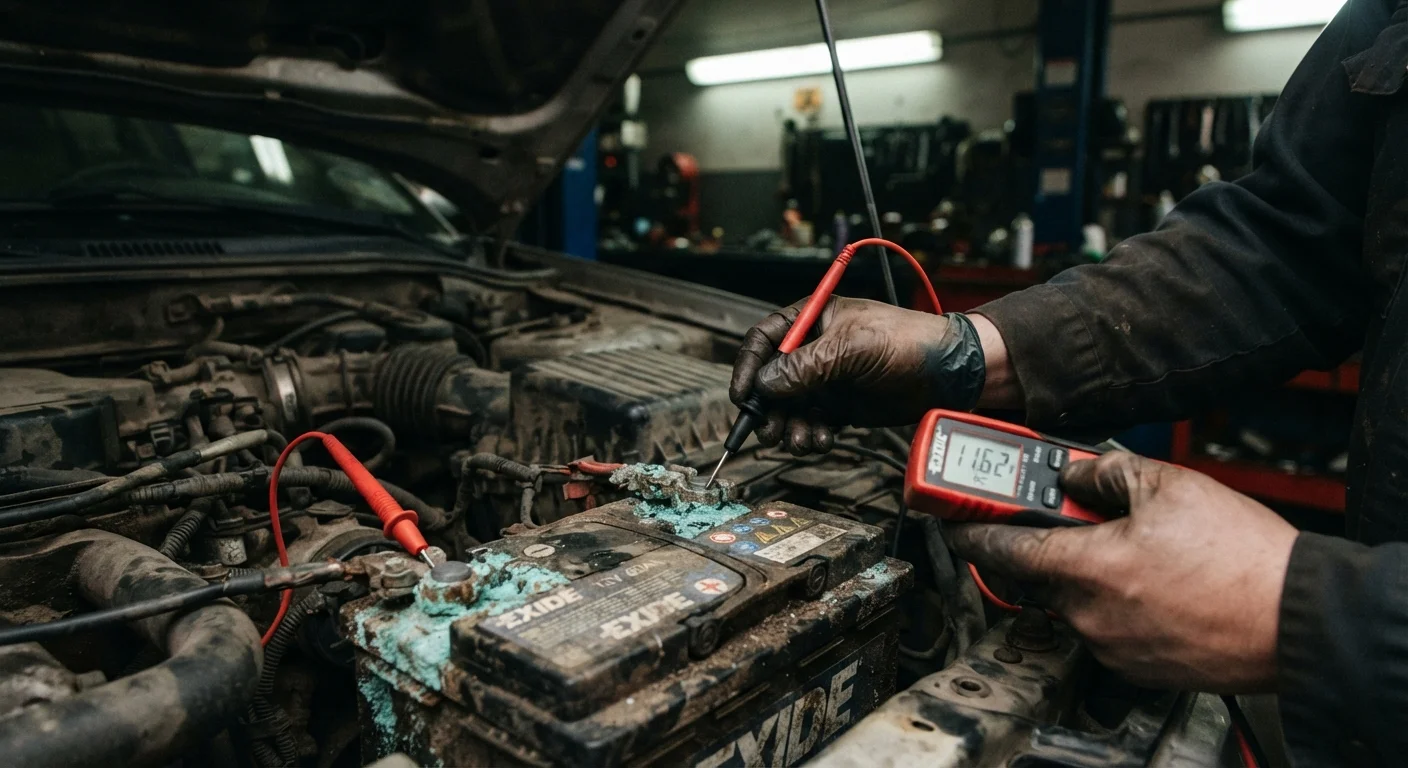
Photo: Online-Searches.net | Explore Insightful Blogs editorial
Key Takeaways
- Short trips under 10 minutes prevent your alternator from fully recharging the battery after each start.
- Extreme temperatures — both heat and cold — accelerate internal battery degradation significantly.
- Parasitic drain from accessories left on can kill a battery silently overnight or over several days.
- Most car batteries have a realistic lifespan of three to five years under normal driving conditions.
- Corroded terminals reduce charging efficiency and can mimic the symptoms of a failing battery.
Why Car Batteries Die Before Their Time
Most drivers don't think about their car battery until the morning it refuses to start. But battery failure is rarely sudden — it's the product of accumulated stress, usually from habits so routine they seem harmless. Understanding what quietly shortens battery life puts you ahead of the breakdown curve.
A standard 12-volt lead-acid battery powers your starter motor, supports the electrical system during idle, and relies on the alternator to recharge while the engine runs. When that cycle is disrupted repeatedly — by short trips, heavy electrical loads, or temperature extremes — the battery degrades faster than its rated lifespan suggests.
Keeping up with battery health is one of the consistent practices covered in our guide on maintenance habits that separate high-mileage cars from early junkers. The good news: most of the common battery killers are entirely preventable once you know what to look for.
Taking too many short trips without allowing the battery to fully recharge.
Leaving interior lights, headlights, or accessories on when the engine is off.
Ignoring visible corrosion on battery terminals.
Parking in extreme temperatures without any mitigation.
Keeping a car parked and unused for weeks at a time without any maintenance charge.
Protecting Your Battery: Practical Steps That Make a Difference
Avoiding the mistakes above doesn't require expensive equipment or mechanical expertise. It starts with understanding your driving patterns and making small adjustments.
Extreme Heat Damages Batteries More Than Cold
One area worth revisiting: some drivers believe topping off the battery charge constantly or running the engine at idle for extended periods is beneficial. Our article on maintenance myths that cost drivers unnecessary money explains why some of these instincts can backfire.
Don't Ignore a Slow-Starting Engine
New car owners, in particular, are prone to overlooking battery fundamentals in the first months of ownership — it's covered among other common early missteps in our piece on things new car owners overlook in the first six months. If your battery is approaching the three-year mark, schedule a load test at your next service appointment. Catching a weakening battery early is almost always cheaper than getting stranded.
This article is for general informational purposes. For diagnosis of specific vehicle issues, consult a qualified mechanic.
The content provided on our blog site traverses numerous categories, offering readers valuable and practical information. Readers can use the editorial team’s research and data to gain more insights into their topics of interest. However, they are requested not to treat the articles as conclusive. The website team cannot be held responsible for differences in data or inaccuracies found across other platforms. Please also note that the site might also miss out on various schemes and offers available that the readers may find more beneficial than the ones we cover.