
Car Fluids Every Driver Should Recognize

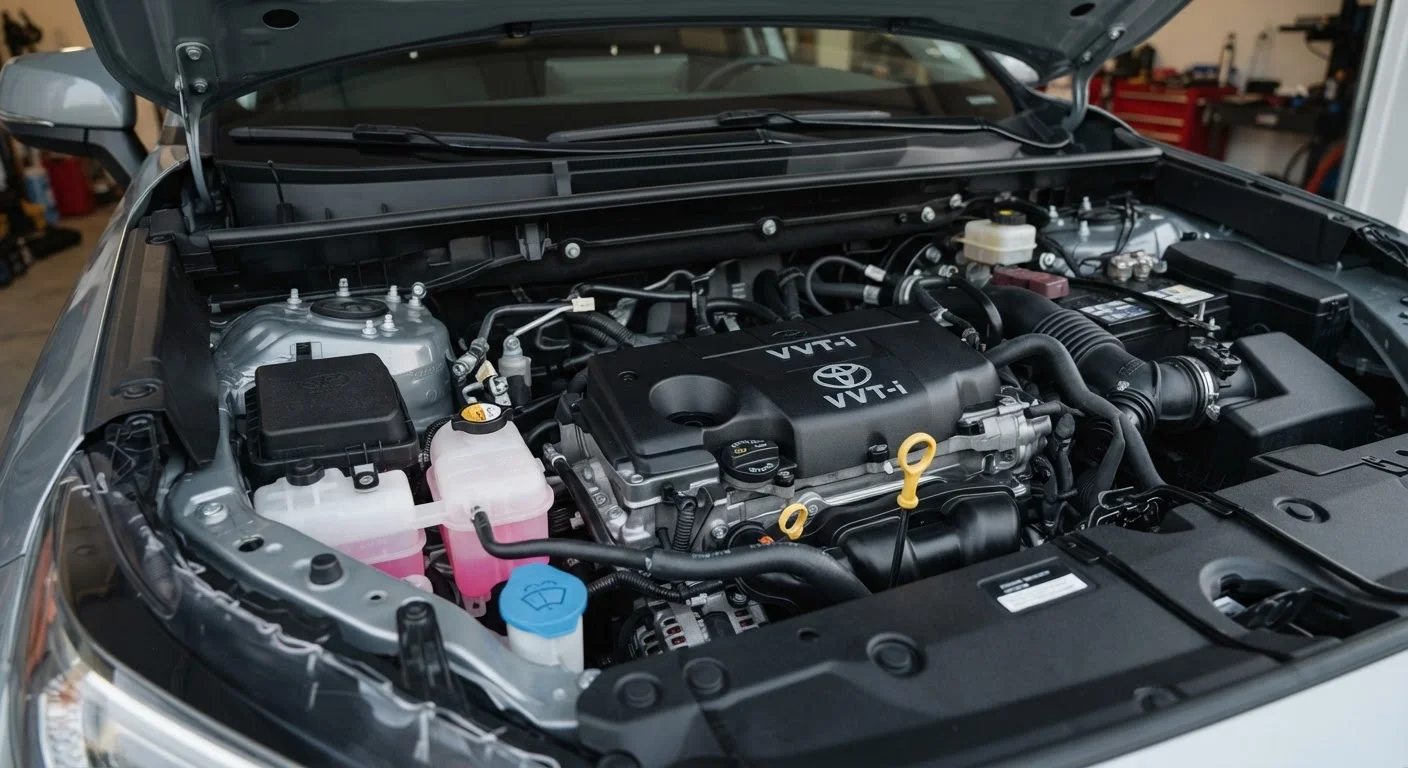
Photo: Online-Searches.net | Explore Insightful Blogs editorial
Why Fluid Literacy Matters
Your vehicle depends on six core fluids to stay cool, stop safely, shift smoothly, and protect its engine. When any one of them runs low or degrades, the downstream consequences can be expensive — or dangerous. The good news is that most fluid checks take under five minutes and require nothing more than a clean rag and a steady hand.
This quick-reference guide covers what each fluid does, how to identify it, and what warning signs indicate it needs attention. For new or first-time car owners, our introduction to essential car maintenance is a helpful starting point alongside this reference.
| Number of essential vehicle fluids | 6 primary fluids |
| Motor oil check frequency | Once a month or before long trips (General industry guidance) |
| Coolant flush interval (typical) | Every 2–5 years (Varies by vehicle; consult owner's manual) |
| Brake fluid hygroscopic? | Yes — absorbs moisture over time (Reduces boiling point; affects stopping performance) |
| Windshield washer fluid safe to top off yourself? | Yes — no mechanical risk |
| Power steering fluid check | Inspect every 6 months (Many newer vehicles use electric steering with no fluid) |
The Six Fluids to Know
1. Motor Oil
What it does: Lubricates engine components, reduces heat from friction, and carries debris to the oil filter. How to check: Pull the dipstick, wipe it clean, reinsert, pull again, and read the level. Fresh oil is amber-colored; dark, gritty oil signals it's due for a change. Color when new: Amber to golden.
2. Coolant (Antifreeze)
What it does: Regulates engine temperature and prevents both overheating and freezing. How to check: Inspect the translucent reservoir near the radiator — never open the radiator cap on a hot engine. Color when new: Green, orange, pink, or blue depending on formulation — never mix types without guidance.
3. Transmission Fluid
What it does: Lubricates gears, clutch packs, and the torque converter in automatic transmissions; manual transmissions use a separate gear oil. How to check: Many automatics have a dipstick; others require a technician. Color when healthy: Translucent red or pink; dark brown or burnt-smelling fluid needs attention.
4. Brake Fluid
What it does: Transfers force from your brake pedal to the wheel calipers through hydraulic pressure. Because it absorbs moisture over time, degraded brake fluid can compromise stopping power. How to check: Locate the small reservoir near the firewall; level should sit between MIN and MAX markings. Color when healthy: Clear to light yellow.
Always Check Your Owner's Manual First
5. Power Steering Fluid
What it does: Provides hydraulic assist to make steering easier. Note: many newer vehicles use electric power steering and have no fluid reservoir at all. How to check: If your vehicle has it, the reservoir is typically labeled with a steering wheel icon. Color when healthy: Clear, pink, or light amber.
6. Windshield Washer Fluid
What it does: Cleans road grime from your windshield. While not mechanical in nature, running out reduces visibility and is the simplest fluid to top off yourself. Color: Usually blue, though seasonal formulations vary.
Reading the Signs and Staying Ahead
Fluid problems often announce themselves before they become failures. A sweet smell near the front of your car can indicate a coolant leak. A burning odor while braking may mean brake fluid is overheating. A whining sound when turning the steering wheel is a classic sign of low power steering fluid. When a warning light appears on your dashboard, consult our dashboard warning light reference to interpret it quickly.
Fluid checks are most valuable as part of a consistent maintenance rhythm. Temperature extremes — summer heat and winter cold — place extra stress on cooling and lubrication systems. Our guide on seasonal car maintenance explains which fluids to prioritize before each season. For a broader look at service intervals, see your car's maintenance schedule explained.
Viscosity
A measure of how thick or thin a fluid is and how easily it flows. Motor oil viscosity ratings (e.g., 5W-30) indicate how the oil behaves at different temperatures.
Reservoir
A translucent plastic tank in the engine bay that stores a fluid and lets you check the level without opening the system. Most reservoirs have MIN and MAX markings on the side.
Hydraulic fluid
Any fluid used to transmit force within a closed system. Brake fluid and power steering fluid are common automotive examples.
Coolant (Antifreeze)
A liquid circulated through the engine to regulate temperature. It prevents overheating in summer and freezing in winter, and also inhibits corrosion inside the cooling system.
Dipstick
A long metal rod inserted into the engine or transmission that lets you measure fluid level and, in the case of oil, assess its condition by color and consistency.
Transmission fluid
A specialized oil that lubricates and cools the transmission's moving parts, enabling smooth gear shifts in both automatic and manual vehicles.
If you're ever uncertain about a fluid's condition or level, a licensed mechanic can perform a quick inspection. Catching a low or degraded fluid early is nearly always less costly than addressing the mechanical damage that follows from neglecting it.
The content provided on our blog site traverses numerous categories, offering readers valuable and practical information. Readers can use the editorial team’s research and data to gain more insights into their topics of interest. However, they are requested not to treat the articles as conclusive. The website team cannot be held responsible for differences in data or inaccuracies found across other platforms. Please also note that the site might also miss out on various schemes and offers available that the readers may find more beneficial than the ones we cover.