
Brake Wear: Reading the Warning Signs Before It Becomes Dangerous

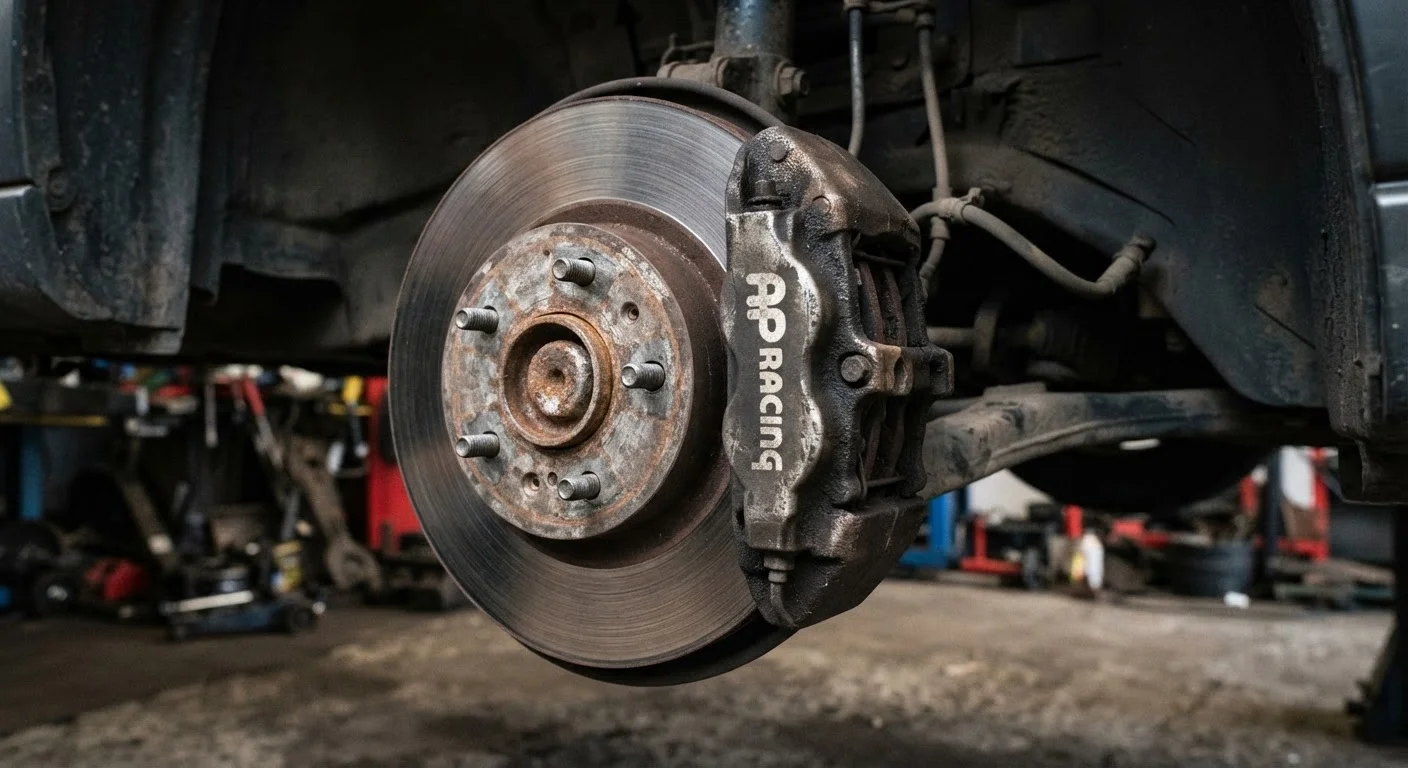
Photo: Online-Searches.net | Explore Insightful Blogs editorial
Key Takeaways
- Squealing brakes usually signal a wear indicator alerting you that pads are running low.
- Grinding noises mean metal-on-metal contact — a situation that can damage rotors quickly.
- A car pulling to one side during braking points to uneven wear or a stuck caliper.
- Brake pedal pulsation often indicates warped rotors, not just pad wear.
- Ignoring early warning signs typically turns a pad replacement into a more expensive rotor replacement.
- A qualified mechanic should inspect brakes whenever any of these symptoms appear.
Why Brakes Wear — and Why It Matters
Disc brakes — the most common type on modern vehicles — work by squeezing friction pads against a spinning metal rotor. That friction converts kinetic energy into heat, which is what slows your car. It's an elegant system, but it's inherently consumable: every stop removes a microscopic layer of pad material. Over tens of thousands of stops, that adds up.
The risk isn't wear itself — it's undetected wear. A brake pad that reaches the end of its usable life and continues to operate exposes the metal backing plate directly to the rotor surface. What started as a straightforward pad swap can become a significantly more involved repair. Understanding what your vehicle is communicating gives you the chance to act early.
Part of good vehicle ownership is building the habit of listening to your car — much like running a pre-trip safety check before every drive. Brakes are at the top of that checklist.
The Sound Your Brakes Make — and What It Means
Sound is one of the most reliable early indicators of brake wear, and each type of noise carries a distinct message.
~25–65K
Typical brake pad lifespan in miles
The wide range reflects differences in driving style, vehicle type, and road conditions — city driving significantly shortens pad life.
60–70%
Braking force handled by front brakes
Because weight shifts forward during deceleration, front pads typically wear faster than rear pads on most passenger vehicles.
2–3 mm
Pad thickness that triggers wear indicator
Most manufacturers engineer the metal wear tab to contact the rotor at this depth, producing the audible squeal drivers hear as an alert.
Squealing or High-Pitched Screeching
This is the intentional alert your brakes are designed to produce. A small metal tab — called a wear indicator — is built into most brake pads at a specific depth. When the pad wears down to that depth, the tab contacts the rotor and produces a squealing sound. It's not a catastrophe, but it's a firm prompt to schedule an inspection soon.
Grinding or Growling
Grinding is a more urgent signal. It typically means the pad material has worn through entirely, and metal is contacting metal. At this stage, every stop is scoring grooves into your rotors and degrading your braking performance. Prompt professional attention is warranted — continuing to drive significantly increases repair scope and cost.
Occasional Squealing in Wet Weather
Light surface rust can form on rotors overnight or after rain. A brief squeal during the first few stops of the morning is normal and usually clears within a block or two. If the sound persists beyond that, treat it as you would a standard wear warning.
What You Feel: Pedal and Steering Clues
Brake problems aren't always audible. Physical sensations through the pedal and steering wheel are equally important signals.
Build Brake Checks Into Your Routine
Pedal Pulsation or Vibration
If your brake pedal throbs under your foot when you apply steady pressure, or if the steering wheel shudders during braking, the likely cause is rotor variation — often called warped rotors. Rotors can develop uneven thickness from repeated heavy braking or rapid temperature changes, causing the caliper pads to grip inconsistently. A mechanic can measure rotor thickness variation with a micrometer and determine whether resurfacing or replacement is needed.
The Car Pulling to One Side
Braking that consistently pulls the vehicle left or right often points to a stuck brake caliper, a collapsed brake hose, or unevenly worn pads across the axle. Any of these conditions places uneven forces on the car during a stop, which compromises straight-line stability. This symptom deserves prompt evaluation — don't ignore a consistent pull.
A Soft or Spongy Pedal
A pedal that travels further than usual before resistance builds, or feels mushy underfoot, typically signals an issue with the hydraulic system — possibly air in the brake lines or low brake fluid. Unlike friction-material wear, hydraulic issues can affect braking ability immediately. Check your brake fluid reservoir if you're comfortable doing so, and consult a mechanic without delay.
Visual Checks You Can Do Yourself
You don't need to be a technician to get a rough sense of your brake condition. Through most factory wheels, you can see the outer brake pad pressing against the rotor. A pad with more than roughly a quarter-inch of friction material remaining is generally in acceptable working range — though this is a rough visual estimate, not a precise measurement.
Look also at the rotor surface itself. Some light surface scoring is normal over time, but deep grooves, heavy rust pitting, or a pronounced ridge around the outer edge of the rotor are signs that a professional inspection is overdue.
It's also worth noting that brakes interact closely with other safety systems. Uneven braking can stress steering and suspension components, and the condition of your tires affects how effectively braking force is actually transferred to the road — something covered in detail in our guide on tire pressure, tread depth, and safety.
When to Stop Driving and Call a Professional
Most brake warning signs allow a window of days to schedule service. A few do not. If you experience any of the following, treat it as an urgent matter and seek a mechanic before driving further:
- Grinding that began recently and is getting louder or more constant
- A brake pedal that sinks toward the floor under pressure
- Smoke or a burning smell coming from a wheel area after driving
- The brake warning light illuminated on your dashboard
That last point — dashboard warning lights — can feel cryptic. Our plain-language dashboard warning light guide breaks down what each symbol means and how urgently it needs attention.
Brakes are not a component to defer on. Unlike many maintenance items where a short delay carries minimal risk, brake failure has immediate safety consequences — for the driver, passengers, and others on the road. Acting on early warning signs is straightforwardly the right call.
Frequently Asked Questions
The content provided on our blog site traverses numerous categories, offering readers valuable and practical information. Readers can use the editorial team’s research and data to gain more insights into their topics of interest. However, they are requested not to treat the articles as conclusive. The website team cannot be held responsible for differences in data or inaccuracies found across other platforms. Please also note that the site might also miss out on various schemes and offers available that the readers may find more beneficial than the ones we cover.