
Before You Pull Out of the Driveway: A Pre-Trip Safety Check

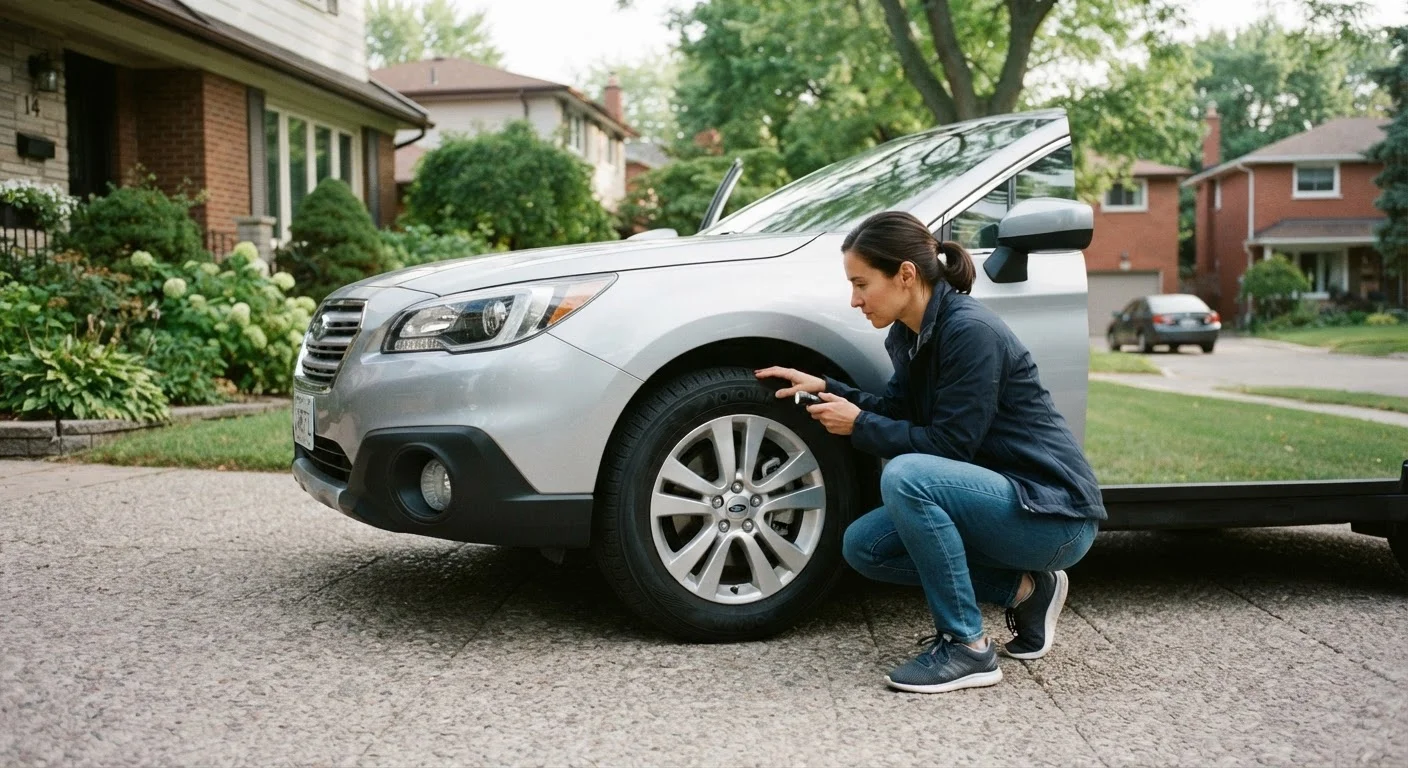
Photo: Online-Searches.net | Explore Insightful Blogs editorial
Key Takeaways
- A short walk-around catches visible hazards before they become road emergencies.
- Tires, lights, and mirrors are the three most commonly overlooked pre-trip checks.
- Interior checks — seatbelts, mirrors, and fuel level — take under 60 seconds and matter enormously.
- Building this habit is far less costly than a breakdown, fine, or collision.
- Many pre-trip issues are simple fixes that don't require a mechanic.
Why a Pre-Trip Check Is Worth Two Minutes of Your Time
Most vehicle breakdowns and many collisions share a common thread: a problem that was visible before the driver left home. A flat developing from an embedded nail. A brake light out for weeks. A cracked windshield that distorts nighttime visibility. None of these require a mechanic to spot — they just require a moment of attention before you turn the key.
The goal of a pre-trip check isn't to make driving feel like a chore. It's to build a brief, consistent habit that dramatically reduces your exposure to preventable problems. Think of it the same way you'd think about annual vehicle maintenance: small, regular attention prevents large, expensive surprises.
This checklist is organized into four categories — exterior, under the hood, interior, and documents — so you can move through it efficiently without backtracking. The full walk-around takes most drivers under five minutes once they know the routine.
Don't Rely on Dashboard Warnings Alone
Brake Fluid Leaks Require Immediate Attention
How to Use This Checklist
Work through the checklist in order, starting outside the vehicle. The must items are non-negotiable — address any issue flagged here before driving. Should items are strongly recommended, especially for longer trips or adverse weather. Nice-to-have items improve your preparedness margin but can be addressed over time.
You don't need specialized equipment for most of this checklist. A tire pressure gauge and a U.S. quarter will handle the critical tire checks. Everything else is visual or tactile — no tools required.
Tire Pressure Gauge
Measures exact tire PSI so you can compare against the vehicle's recommended pressure.
Quarter (U.S. coin)
Used as a quick tread-depth reference — insert it into the tread groove to gauge remaining rubber.
Flashlight or phone torch
Helps you inspect under the vehicle for fluid leaks or check lights in low-visibility conditions.
Emergency kit
Keeps jumper cables, a reflective triangle, gloves, and a first-aid kit accessible in case of a breakdown or collision.
If you're heading out in rain, ice, or low light, a few extra steps matter. Our guide to driving in bad weather covers technique adjustments once you're on the road. And for nighttime departures specifically, see our piece on driving confidently at night — headlight aim and high-beam management are things worth reviewing before a late trip.
The Full Pre-Trip Safety Checklist
Run through these items before every drive. If any must item fails, resolve it before pulling out of the driveway.
Exterior Walk-Around
Under the Hood
Interior Readiness
Documents and Emergency Prep
Driving with a Defective Tire Is a Safety Emergency
Making This a Habit That Sticks
The biggest obstacle to a pre-trip check isn't time — it's routine. Drivers who do this consistently often describe it as automatic after a few weeks, taking no more conscious effort than buckling a seatbelt. A few strategies help it stick:
- Pair it with a trigger. Do the exterior walk-around while your coffee cools, or while the car warms up in cold weather.
- Keep your tools accessible. A tire gauge in the glove box gets used; one in a drawer does not.
- Do a shortened version for quick trips. Even a 30-second glance at tires and lights is better than nothing.
Drivers returning to the road after a long absence may find these habits feel unfamiliar at first — our guide on getting back behind the wheel covers rebuilding confidence alongside technique. And for year-round vehicle care that complements a daily habit, explore the car maintenance hub for seasonal and mileage-based guidance.
This article is for general informational purposes only. For any vehicle defect, brake system concern, or safety issue you are uncertain about, consult a qualified mechanic before operating the vehicle.
The content provided on our blog site traverses numerous categories, offering readers valuable and practical information. Readers can use the editorial team’s research and data to gain more insights into their topics of interest. However, they are requested not to treat the articles as conclusive. The website team cannot be held responsible for differences in data or inaccuracies found across other platforms. Please also note that the site might also miss out on various schemes and offers available that the readers may find more beneficial than the ones we cover.