
Driving in Bad Weather: A Practical Field Guide

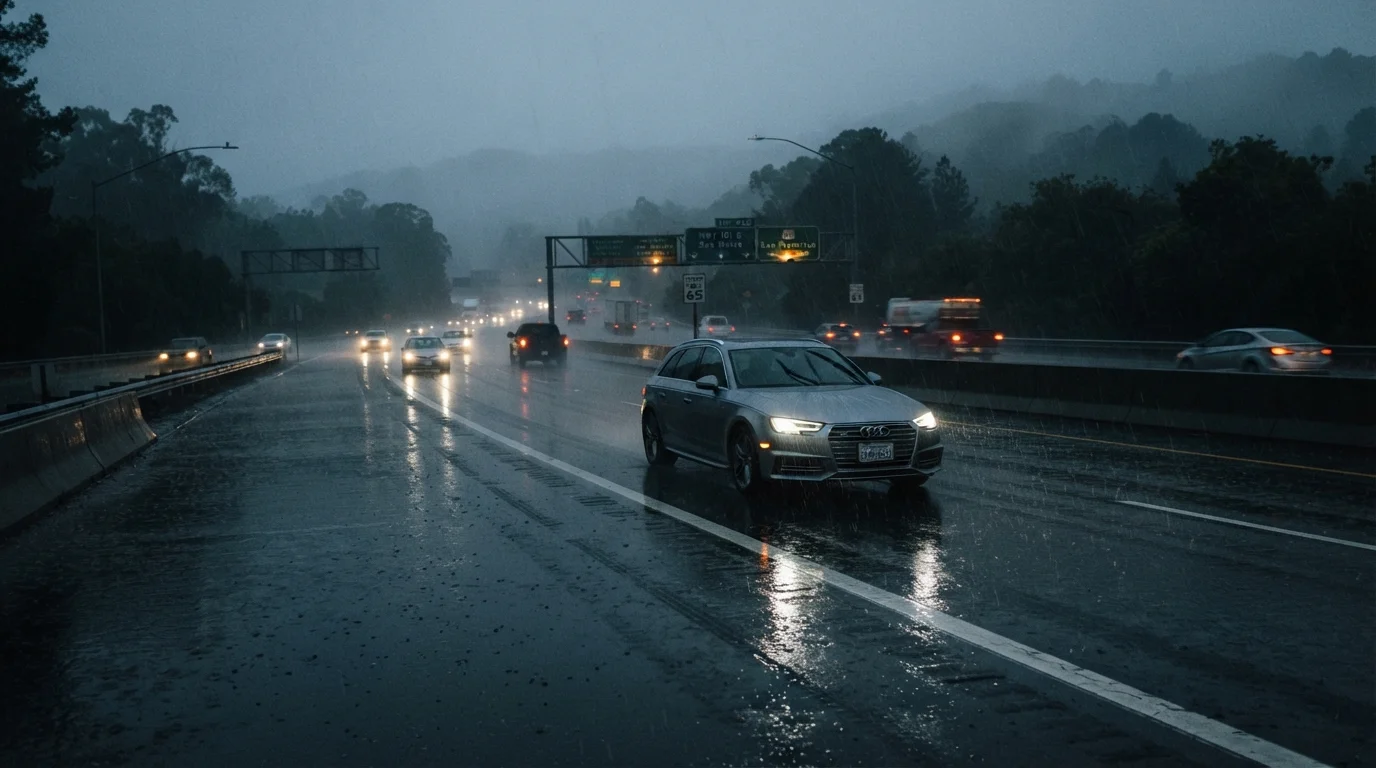
Photo: Online-Searches.net | Explore Insightful Blogs editorial
Key Takeaways
- Slowing down is the single most effective adjustment in any adverse weather condition.
- Hydroplaning can occur at speeds as low as 35 mph on standing water — ease off the gas, don't brake hard.
- In fog, use low-beam headlights or dedicated fog lights — high beams reflect off moisture and reduce visibility.
- On ice, gentle steering and gradual braking inputs are essential; sudden movements cause skids.
- Vehicle preparation before bad weather arrives is as important as in-the-moment technique.
- Knowing when not to drive is a legitimate and often underrated safety decision.
Why Weather Demands a Different Mindset
Most driver training covers the mechanics of operating a vehicle under ideal conditions — clear skies, dry roads, good visibility. But according to the Federal Highway Administration, weather-related crashes account for roughly 21% of all vehicle crashes in the United States each year. Rain, snow, fog, and ice don't just reduce visibility; they fundamentally change how your tires interact with the road.
The core shift required is this: stop managing your vehicle and start managing your environment. That means reading conditions ahead, building more space between you and other vehicles, and accepting that your normal driving habits need recalibrating the moment precipitation begins. Night driving presents similar cognitive challenges — reduced sensory input forces you to rely more on anticipation than reaction.
21%
of all U.S. crashes are weather-related
According to the Federal Highway Administration, approximately 1.2 million crashes per year occur in adverse weather conditions.
10x
longer stopping distance on glare ice vs. dry road
Traffic safety research consistently shows that stopping distances increase dramatically on ice compared to dry pavement.
35 mph
speed at which hydroplaning can begin
Hydroplaning risk rises with worn tread and standing water, and can occur at relatively moderate highway speeds.
Driving in Rain: Traction, Hydroplaning, and Visibility
Rain creates two compounding problems: reduced traction and reduced visibility. Fresh rainfall is often the most dangerous phase — water mixes with accumulated road oils to create a slick film before runoff clears it away.
Traction and Following Distance
On wet roads, stopping distances increase significantly compared to dry pavement. The standard three-second following rule should expand to at least four to five seconds in rain. Ease into braking gently and progressively; if your vehicle has standard anti-lock brakes (ABS), apply firm, steady pressure and let the system do its job — do not pump the pedal.
Hydroplaning
Hydroplaning occurs when a layer of water builds up between your tires and the road faster than the tire tread can disperse it. It can happen at speeds as low as 35 mph with worn tires or standing water. If you feel the steering go light and your engine RPMs spike, ease off the accelerator smoothly, avoid braking abruptly, and steer gently in the direction you want to go until traction returns.
Visibility
Turn on your headlights whenever you use your wipers — many states require it by law. Keep your windshield clean inside and out; interior film dramatically worsens glare in wet conditions.
Check your tire tread depth before rain season, not during it. Use the penny test — insert a penny into a tread groove with Lincoln's head down; if you can see the top of his head, it's time to replace the tires.
In any adverse weather, increase your following distance before you feel like you need to. By the time conditions feel dangerous, you've already lost the buffer you needed.
Fog: Slow Down and Light Up Correctly
Dense fog is one of the most disorienting driving environments because it creates a false sense of safety — the world looks calm even as visibility collapses to a few car lengths. The key rule is simple: drive at a speed that allows you to stop within your visible distance.
Lighting in Fog
Use low-beam headlights. High beams scatter off water droplets and create a wall of reflected light that makes visibility worse, not better. If your vehicle has dedicated fog lights mounted low on the front fascia, use them — their angle minimizes reflection. Rear fog lights, if equipped, help following drivers see you.
Spacing and Signaling
Increase your following distance dramatically — at least double your normal gap. Use lane markings rather than the taillights of the car ahead to guide your path; chasing another vehicle's lights encourages tailgating. Signal early and brake gradually so drivers behind have maximum warning.
Visibility management habits developed for night driving translate directly to fog: both environments demand you slow down to match what your headlights can actually illuminate.
Snow and Ice: What Actually Works
Snow and ice reduce friction dramatically. On glare ice, stopping distances can be up to ten times longer than on dry pavement. The governing principle is gentleness in every input — acceleration, braking, and steering.
Acceleration and Momentum
Apply the gas pedal slowly to avoid spinning your wheels. Build speed gradually, and give yourself far more time than usual to reach highway speeds. Momentum is your friend on flat sections; losing it on a hill can leave you stranded.
Braking on Ice
With ABS, apply firm steady pressure and steer around obstacles if needed. Without ABS, threshold braking — applying firm pressure just short of lockup — is the technique to practice. Downshifting to use engine braking on descents reduces reliance on friction brakes.
Steering and Skid Recovery
If the rear of your vehicle begins to slide (oversteer), steer gently in the direction of the slide — commonly called "steering into the skid" — and ease off the accelerator. Avoid overcorrecting. Front-wheel skids (understeer) require easing off the gas and allowing speed to drop before attempting to steer.
Your vehicle's traction control and stability control systems are valuable tools but not a substitute for winter tires or appropriate speed. See our seasonal maintenance guide for what to inspect before winter driving season begins.
Before You Leave: Preparation That Matters
Good technique behind the wheel accounts for only part of weather safety. Vehicle condition shapes what's possible before you even move. Tire tread depth, wiper blade condition, and defroster function are among the most critical items to verify before a weather event. A structured pre-trip check can catch these issues before they become hazards on the road.
Keep an emergency kit in your vehicle that includes a blanket, a small shovel, an ice scraper, jumper cables or a jump pack, and a reflective triangle or flares. In winter, add sand or kitty litter for traction if you get stuck. Check your tire pressure regularly — cold air causes pressure to drop, and underinflated tires perform poorly on wet or icy surfaces. Your owner's manual lists the correct cold-inflation pressure for your specific vehicle.
Clear All Snow Before You Drive
When to Stay Home Instead
This is the most underused tool in a driver's repertoire: choosing not to go. If road conditions are severe, your trip is non-essential, and you lack the vehicle equipment or experience to manage safely, delaying is not a failure of nerve — it is a sound judgment call.
Watch for official guidance from state transportation departments and local emergency management. Many jurisdictions issue travel advisories or bans during significant ice events or blizzards. These apply even to experienced drivers with capable vehicles, because road conditions vary unpredictably and other drivers on the road add risk regardless of your own skill level.
If you are caught in rapidly deteriorating conditions, find a safe, well-lit place to pull completely off the roadway, turn on your hazard lights, and wait. Attempting to push through a storm on unfamiliar or rapidly icing roads is one of the most common causes of preventable crashes.
Weather-related driving risk is real but manageable. The drivers who navigate it best are not the ones with the most confidence — they're the ones who stay humble about what road conditions can do, and who prepare accordingly.
The content provided on our blog site traverses numerous categories, offering readers valuable and practical information. Readers can use the editorial team’s research and data to gain more insights into their topics of interest. However, they are requested not to treat the articles as conclusive. The website team cannot be held responsible for differences in data or inaccuracies found across other platforms. Please also note that the site might also miss out on various schemes and offers available that the readers may find more beneficial than the ones we cover.