
Seasonal Car Maintenance: Preparing Your Vehicle for Winter and Summer

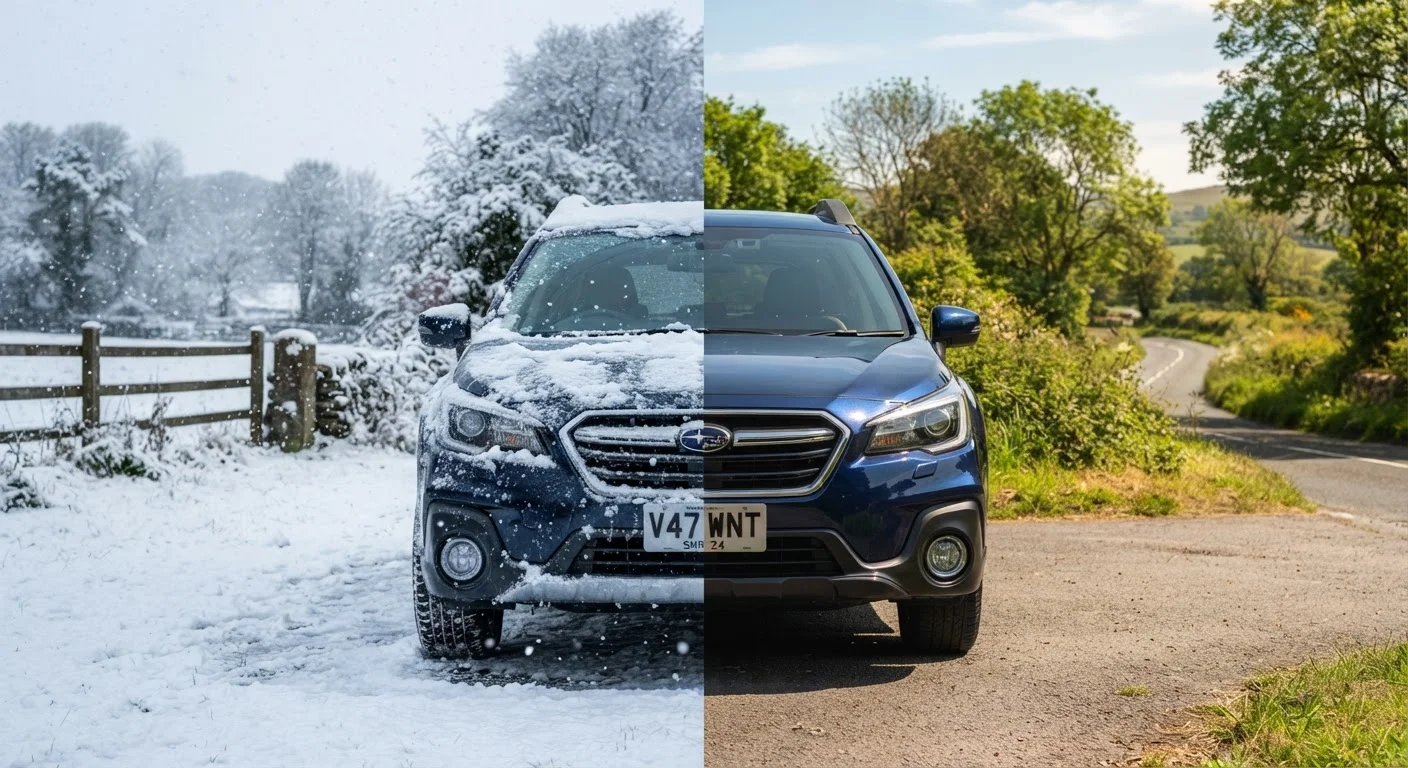
Photo: Online-Searches.net | Explore Insightful Blogs editorial
Key Takeaways
- Cold weather strains batteries, thickens fluids, and reduces tire pressure — inspect these before winter arrives.
- Summer heat degrades coolant, overworks air conditioning, and can cause tires to overheat if underinflated.
- Many seasonal issues can be caught early with a simple visual inspection and a tire pressure gauge.
- Some tasks — like coolant system flushes or brake inspections — are best handled by a qualified mechanic.
- A bi-annual seasonal check can reduce the risk of expensive, weather-triggered breakdowns.
Why Seasonal Checks Matter More Than Most Drivers Realize
Your car doesn't experience seasons the way you do — it experiences them as mechanical stress. Cold contracts metals, thickens fluids, and saps battery power. Heat degrades rubber, strains cooling systems, and builds dangerous pressure inside tires. The parts that quietly absorbed abuse all spring and summer are often the ones that fail on the coldest morning of January — or overheat on a July highway. A focused seasonal inspection takes less than two hours and targets the systems most vulnerable to temperature extremes.
This checklist is designed to be practical and honest. Some items you can handle yourself with basic tools. Others — brake inspection, cooling system pressure tests, refrigerant service — genuinely require a qualified mechanic. We've marked both clearly. For a broader view of what your ownership calendar should include, see our annual car ownership checklist. And if some of the fluid names below are unfamiliar, our guide to car fluids every driver should recognize is a useful companion.
Tire pressure gauge
Check that all four tires (and the spare) meet the manufacturer's recommended PSI for the season.
Flashlight
Illuminate the engine bay, undercarriage, and tire sidewalls during your visual inspection.
Multimeter or battery tester
Test battery voltage to catch a weakening cell before it fails in freezing or extreme heat.
Owner's manual
Confirm manufacturer-recommended fluid types, tire pressures, and service intervals for your specific vehicle.
Coolant test strips
Quickly verify whether your antifreeze/coolant mixture offers adequate protection for expected temperatures.
Tread depth gauge
Measure remaining tire tread to determine whether tires are safe for wet, snowy, or hot pavement.
Working Through the Checklist
Work through the groups below in order — battery and electrical first in autumn, cooling system and tires first in spring. Each item includes a priority level: must items are non-negotiable for safety and reliability; should items are strongly recommended; and nice-to-have items add extra peace of mind. Always work from a cool engine and a flat, stable surface.
Battery Failure Is the #1 Cold-Weather Breakdown
Winter Preparation: Battery & Electrical
Winter Preparation: Fluids & Wipers
Winter Preparation: Tires & Brakes
Summer Preparation: Cooling System
Summer Preparation: Tires & Air Conditioning
Year-Round Seasonal Essentials
If you discover something unexpected during your inspection — a soft brake pedal, a coolant leak, unusual tire wear — stop driving and consult a qualified mechanic before continuing to use the vehicle. Many seasonal failures follow a predictable pattern of ignored warning signs. Understanding your vehicle's maintenance schedule ahead of time makes these inspections faster and more targeted; our article explaining your car's maintenance schedule can help you decode your owner's manual. Also keep in mind that seasonal preparation pairs directly with safe driving habits — our practical guide to driving in bad weather covers what to do once conditions deteriorate.
Never Open a Hot Radiator Cap
AC Refrigerant Requires a Certified Technician
Finally, be cautious of conventional wisdom that sounds helpful but isn't always accurate — for example, the idea that you need to let a modern fuel-injected engine idle for several minutes before driving in winter. Our look at maintenance myths that cost drivers money separates fact from folklore so you're not doing extra work that doesn't protect your vehicle.
The content provided on our blog site traverses numerous categories, offering readers valuable and practical information. Readers can use the editorial team’s research and data to gain more insights into their topics of interest. However, they are requested not to treat the articles as conclusive. The website team cannot be held responsible for differences in data or inaccuracies found across other platforms. Please also note that the site might also miss out on various schemes and offers available that the readers may find more beneficial than the ones we cover.