
Reading Your Owner's Manual: The Most Overlooked Tool in Your Glove Box

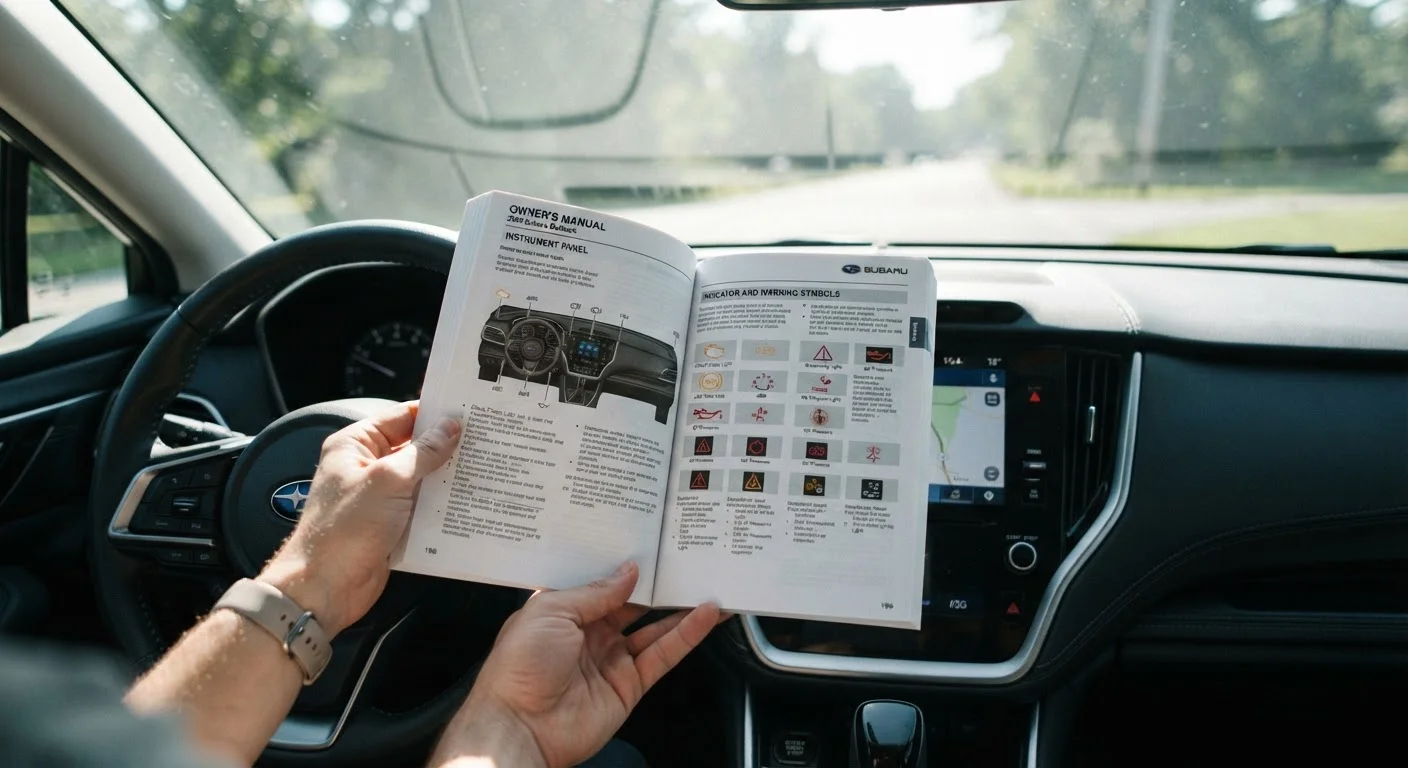
Photo: Online-Searches.net | Explore Insightful Blogs editorial
Key Takeaways
- Your owner's manual is the single most authoritative source for your specific vehicle's maintenance needs.
- Maintenance intervals vary significantly by make, model, and driving conditions — generic advice can be wrong for your car.
- The manual explains dashboard warning lights, fluid specifications, tire pressures, and fuse locations.
- Skipping manual-recommended service intervals can void warranty coverage and accelerate wear.
- Digital versions of most owner's manuals are available online if your printed copy is missing.
Why Most Drivers Never Open Their Owner's Manual
The owner's manual is arguably the most valuable item in your glove box — and statistically among the least read. Research from automotive consumer groups has consistently found that a large share of drivers have never consulted theirs at all, relying instead on word of mouth, online forums, or the advice of whoever happens to be behind the service counter. The problem with that approach is straightforward: those sources don't know your vehicle.
Every owner's manual is written specifically for one vehicle configuration. It reflects the engineering decisions made for that exact powertrain, drivetrain, and feature set. Generic maintenance advice may be close — but close isn't the same as correct, and the difference can be expensive. Skipping the correct transmission fluid specification, for instance, or following an oil-change interval meant for a different engine, can quietly shorten the life of components that cost thousands of dollars to replace.
If you're new to car ownership, our guide to first-car ownership costs and responsibilities is a good companion read alongside this one. And if you've already owned your car for a while but haven't opened the manual, you're not alone — our article on things new car owners overlook in the first six months covers exactly this kind of easy-to-miss gap.
Your Manual Overrides Generic Advice
What to Do With What You Find
Reading the manual once is useful. Acting on it is what pays off. After working through the steps below, consider creating a simple maintenance log — a notepad page or a notes app entry — that records your vehicle's key specs and upcoming service milestones. Include the oil type and viscosity, the tire pressure targets, the next scheduled service mileage, and any warning lights you've looked up.
No Printed Manual? Go Digital
For tasks that fall within a reasonably capable driver's skill set — topping off fluids, checking tire pressure, replacing wiper blades — the manual will give you the confidence to handle them yourself. For anything more involved, our article on DIY versus professional mechanic work can help you judge where the line is. The manual doesn't replace a qualified mechanic, but it makes every conversation with one more productive — and harder to mislead.
Don't Ignore the Severe-Duty Schedule
This article provides general vehicle information and educational guidance only. Always consult a qualified mechanic for diagnosis, repair decisions, or any maintenance task beyond your skill level.
The content provided on our blog site traverses numerous categories, offering readers valuable and practical information. Readers can use the editorial team’s research and data to gain more insights into their topics of interest. However, they are requested not to treat the articles as conclusive. The website team cannot be held responsible for differences in data or inaccuracies found across other platforms. Please also note that the site might also miss out on various schemes and offers available that the readers may find more beneficial than the ones we cover.