
Warning Lights on Your Dashboard: A Plain-Language Reference Guide

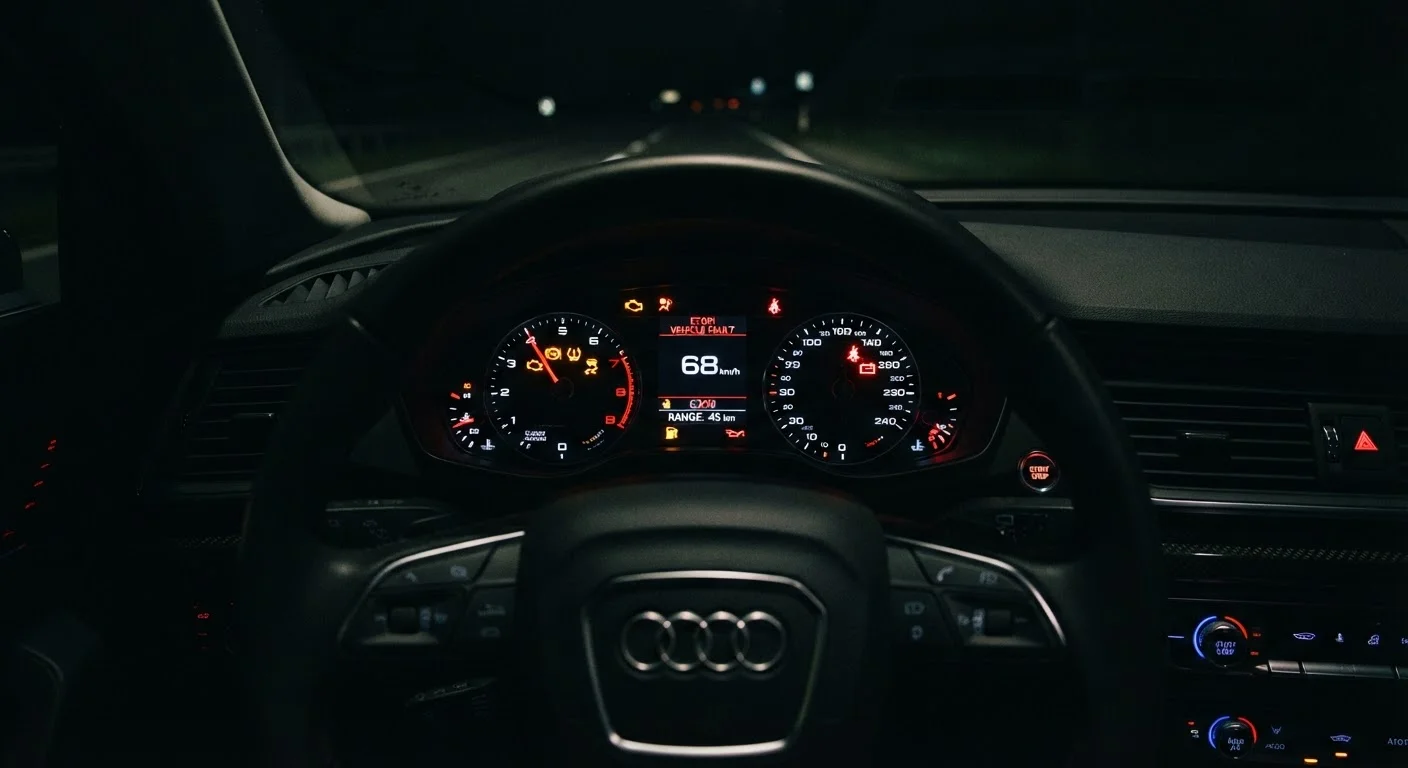
Photo: Online-Searches.net | Explore Insightful Blogs editorial
How Dashboard Warning Lights Work
Modern vehicles use an OBD system that continuously monitors dozens of sensors throughout the engine, transmission, brakes, and emissions equipment. When a sensor detects a problem — or a reading falls outside the normal range — it triggers a warning light on your instrument cluster. Think of it as your car's way of raising its hand.
Warning lights follow a general color-coding system used across virtually all makes sold in the U.S.:
- Red — Stop or act immediately. A red light signals a serious issue that can cause vehicle damage, a safety hazard, or both.
- Amber/Yellow — Attention required soon. The vehicle is still drivable in most cases, but the issue should be investigated promptly.
- Green or Blue — Informational only. These confirm that a feature (such as high beams or turn signals) is active — no action needed.
Your owner's manual contains the definitive list of warning lights for your specific vehicle. No online reference — including this one — replaces that document.
| Red light response | Stop driving as soon as safely possible |
| Amber light response | Schedule service within days to a week |
| Most common warning light | Check Engine (malfunction indicator lamp) |
| Tire pressure reference point | Driver's door jamb sticker (not the tire sidewall) |
| Flashing vs. steady check engine | Flashing = active misfire, act promptly; Steady = schedule diagnostic |
| Definitive light reference | Your vehicle's owner's manual |
Common Warning Lights and What to Do
Below is a plain-language breakdown of the warning lights most drivers will encounter at some point, organized by urgency.
Act Immediately (Red Lights)
- Engine Temperature (Thermometer in Liquid)
- Your engine is overheating. Pull over safely as soon as possible and turn off the engine. Do not open the radiator cap. See our guide to car fluids for context on coolant and what it does.
- Oil Pressure Warning (Oil Can Symbol)
- Oil pressure has dropped to a critical level. Continued driving can destroy an engine in minutes. Pull over immediately and call for assistance.
- Battery / Charging System
- The electrical charging system has failed. The car may continue running on battery reserve for a short time, but electronics and ignition will eventually fail. Drive directly to a service facility if it is close; otherwise, pull over safely.
- Brake System Warning
- This light can mean the parking brake is engaged, or — more seriously — that brake fluid is low or there is a hydraulic fault. If the parking brake is off and the light remains on, stop driving and seek service. For more context, see our article on brake wear warning signs.
Schedule Service Soon (Amber Lights)
- Check Engine (Engine Outline)
- This is the most frequently misunderstood light. A steady check engine light means a sensor has flagged an emissions or engine-management issue — schedule a diagnostic soon. A flashing check engine light indicates an active misfire that can damage the catalytic converter; reduce speed and seek service promptly.
- Low Tire Pressure (TPMS — Exclamation Point in Horseshoe)
- One or more tires are significantly underinflated. Check all four tires with a gauge and inflate to the pressure listed on the driver's door jamb sticker — not the number on the tire sidewall.
- Traction Control / Stability Control
- If this flashes while driving, it is actively working to prevent a skid — normal operation. If it stays on solid, the system may be disabled or faulty, reducing vehicle stability assistance.
- Transmission Temperature
- The transmission is running hot, often due to towing, stop-and-go traffic, or low fluid. Reduce load and have the fluid level checked.
OBD (On-Board Diagnostics)
A standardized system built into vehicles that monitors engine, transmission, emissions, and other components via sensors. When something falls outside normal parameters, OBD stores a fault code and triggers a dashboard warning light.
Fault Code (DTC)
A Diagnostic Trouble Code is a specific alphanumeric code stored by the OBD system when a sensor flags a problem. Mechanics read these codes with a scan tool to pinpoint the issue.
TPMS
Tire Pressure Monitoring System — a sensor-based system that alerts the driver when one or more tires drops significantly below the recommended inflation level.
Catalytic Converter
An emissions control device in the exhaust system that converts harmful combustion gases into less harmful substances. A misfiring engine can overheat and damage this component.
Instrument Cluster
The panel directly behind the steering wheel that houses the speedometer, fuel gauge, odometer, and all dashboard warning lights.
Misfire
A condition where one or more engine cylinders fail to ignite the fuel-air mixture properly, causing rough running, reduced power, and potential damage to the catalytic converter.
What to Do When a Light Appears
Seeing a new warning light can feel alarming, but the right response depends on which light it is and how the vehicle is behaving. Use this general framework:
- Identify the color first. Red means stop or act now. Amber means investigate soon.
- Check your owner's manual. The exact icon and its meaning for your model are documented there. Keeping a digital copy on your phone is a practical backup.
- Note any accompanying symptoms. Unusual sounds, smells, vibrations, or handling changes alongside a warning light help a mechanic diagnose the issue faster.
- Do not ignore it. Many warning lights that go unaddressed escalate into much more expensive repairs. A diagnostic scan at most service shops can identify the fault code quickly.
Staying current with your vehicle's maintenance schedule is one of the most reliable ways to prevent many warning lights from appearing in the first place. Routine fluid checks, filter replacements, and inspections catch problems before sensors do.
For broader context on what it takes to keep a vehicle running safely and reliably, the Car Ownership Basics hub is a useful starting point for new and experienced drivers alike.
This article is for general informational purposes only. Always consult your vehicle's owner's manual and a qualified mechanic for diagnosis and repair decisions specific to your car.
The content provided on our blog site traverses numerous categories, offering readers valuable and practical information. Readers can use the editorial team’s research and data to gain more insights into their topics of interest. However, they are requested not to treat the articles as conclusive. The website team cannot be held responsible for differences in data or inaccuracies found across other platforms. Please also note that the site might also miss out on various schemes and offers available that the readers may find more beneficial than the ones we cover.