
Maintenance Habits That Separate High-Mileage Cars from Early Junkers

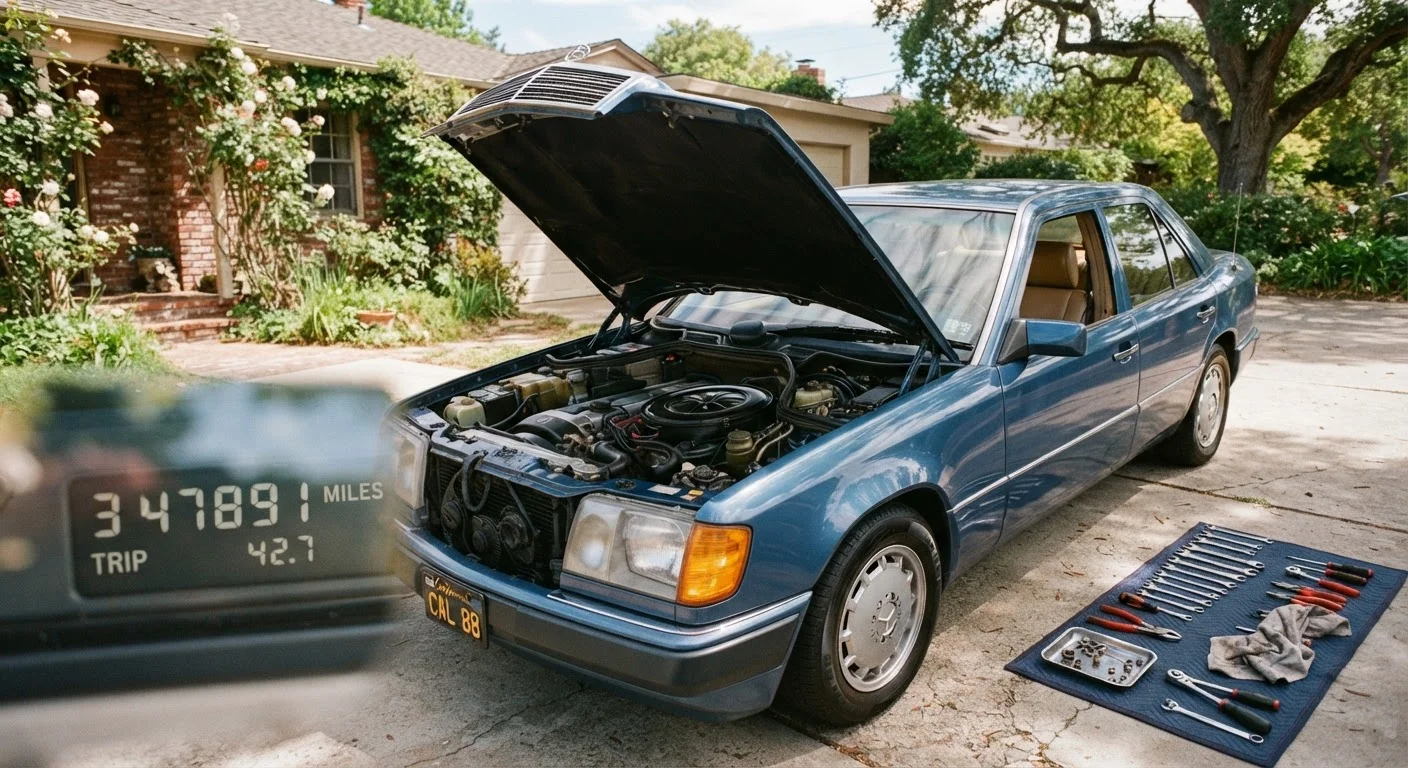
Photo: Online-Searches.net | Explore Insightful Blogs editorial
Key Takeaways
- Oil changes done on schedule are the single most impactful habit for engine longevity.
- Cooling system and transmission fluid neglect are leading causes of premature drivetrain failure.
- Addressing small issues early consistently costs less than repairing cascading damage later.
- Your owner's manual is the most reliable maintenance schedule for your specific vehicle.
- Tire and brake upkeep protect both safety and the long-term health of suspension components.
Why Some Cars Last and Others Don't
Walk through any high-mileage vehicle owner's history and a pattern emerges: it's rarely about the brand or the luck of the draw. The cars that reach 200,000 miles — and beyond — almost always have owners who treated maintenance as non-negotiable rather than optional. The vehicles that expire early often share a different story: small services skipped, warning signs ignored, and fluid changes perpetually postponed.
Understanding what separates these two outcomes isn't complicated, but it does require shifting how you think about routine upkeep. If you're newer to car ownership, our introduction to car maintenance basics is a useful starting point before diving into the habits below.
Change your engine oil on the interval specified in your owner's manual — not based on mileage stickers from quick-lube shops.
Flush and replace coolant according to your vehicle's maintenance schedule.
Inspect and replace your transmission fluid at manufacturer-recommended intervals, especially if you tow or drive in stop-and-go traffic.
Rotate tires every 5,000–7,500 miles and maintain proper inflation pressure year-round.
Address brake wear before it reaches the metal-on-metal stage.
Inspect belts and hoses at every oil change and replace them proactively when they show age or cracking.
The Habits That Add Miles
High-mileage vehicles don't survive on hope. Each of the practices below addresses a specific failure point that ends cars prematurely — and each is well within reach for any driver willing to stay consistent.
The Real Cost of Skipping Service
Every deferred oil change, every ignored coolant flush, every "I'll get to it" tire rotation represents compounding risk. The hidden cost of neglect isn't always a single dramatic breakdown — it's often a slow degradation where repairs that would have cost $80 become $800 because the small problem destroyed adjacent components.
Our article on the hidden costs of skipping routine maintenance breaks down exactly how those small deferrals add up. It's also worth noting that not all conventional maintenance wisdom is correct — common maintenance myths can lead drivers to spend money unnecessarily or, worse, skip genuinely important services.
200,000+
Miles reached by well-maintained vehicles
Consumer and industry data consistently show that vehicles following factory maintenance schedules are far more likely to exceed 200,000 miles without major drivetrain failure.
~$1,200
Average cost of a preventable transmission repair
Automotive service data suggests many transmission failures stem from degraded fluid — a fluid exchange costing under $150 can prevent repairs many times that cost.
25%
Fuel economy loss from underinflated tires
The U.S. Department of Energy has noted that tires underinflated by just 1 PSI per tire can reduce gas mileage by about 0.2%, with cumulative losses adding up meaningfully across a fleet or driving year.
The most consistent finding across automotive research is straightforward: fluid changes and scheduled inspections catch problems when they're cheap. Waiting until a symptom forces your hand almost always means you've waited too long.
Your Owner's Manual Is the Authority
The content provided on our blog site traverses numerous categories, offering readers valuable and practical information. Readers can use the editorial team’s research and data to gain more insights into their topics of interest. However, they are requested not to treat the articles as conclusive. The website team cannot be held responsible for differences in data or inaccuracies found across other platforms. Please also note that the site might also miss out on various schemes and offers available that the readers may find more beneficial than the ones we cover.