
Skipping Routine Maintenance: The Hidden Costs That Add Up

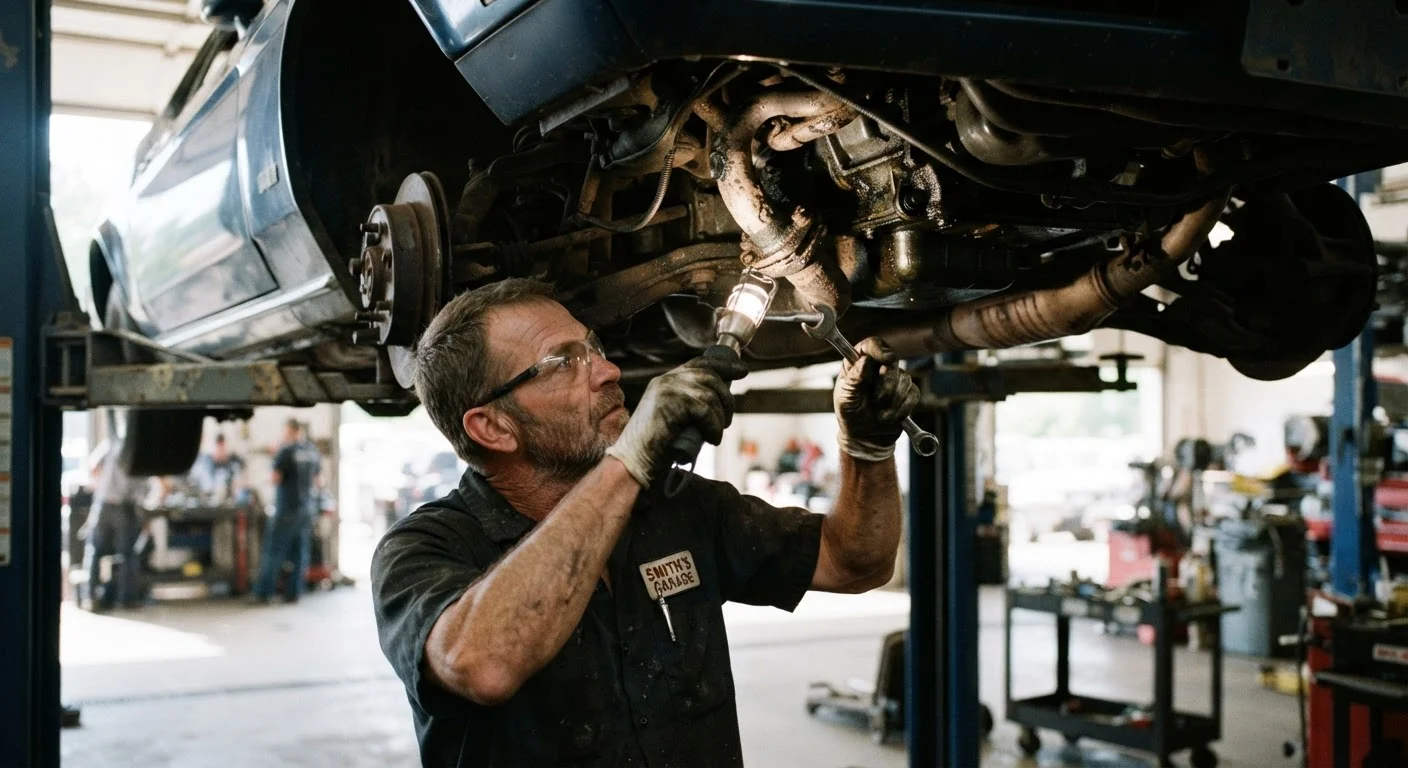
Photo: Online-Searches.net | Explore Insightful Blogs editorial
Key Takeaways
- Skipping routine maintenance rarely saves money — it typically shifts costs to more expensive future repairs.
- Common skips like delayed oil changes and ignored tire rotations compound into accelerated component wear.
- Staying on your manufacturer's schedule is one of the most cost-effective things an owner can do.
- Unexpected breakdowns carry hidden costs beyond parts: towing, rentals, and lost time.
Why Skipping Feels Harmless — Until It Isn't
Most routine maintenance tasks are invisible when they're working. A fresh air filter, clean coolant, or properly inflated tires don't announce themselves. That invisibility makes it easy to rationalize putting off a service appointment — especially when money is tight or the car seems to be running fine.
The problem is that vehicle systems don't fail dramatically the moment maintenance is overdue. They degrade gradually, which means the connection between skipping a $60 oil change and paying $4,000 for an engine repair six months later is rarely obvious. That gap between cause and consequence is exactly what makes deferred maintenance so costly.
For a fuller picture of what each service milestone actually involves, see Your Car's Maintenance Schedule, Explained.
The Real Costs of Common Skipped Services
Each skipped task carries a different risk profile, but the pattern is consistent: small deferred costs grow into large unavoidable ones.
- Oil changes: Engine oil breaks down over time and loses its ability to lubricate moving metal parts. Running on degraded oil accelerates wear inside the engine. A complete engine replacement can run from several thousand dollars into five figures depending on the vehicle.
- Tire rotation and pressure checks: Uneven wear reduces tread life significantly, meaning you buy replacement tires sooner. Underinflated tires also reduce fuel efficiency on every single trip.
- Brake inspections: Worn brake pads that go unchecked eventually damage rotors. Replacing rotors costs substantially more than replacing pads alone — and compromised braking is a direct safety risk.
- Coolant flushes and belt replacements: A failed timing belt can cause catastrophic internal engine damage. An overheated engine from degraded coolant carries similar consequences.
~$1,200
Average cost of a single engine repair
According to automotive repair industry data, engine-related repairs consistently rank among the most expensive, often stemming from years of missed oil changes or coolant maintenance.
Up to 25%
Fuel economy loss from poor maintenance
The U.S. Department of Energy has noted that factors like underinflated tires, dirty air filters, and faulty oxygen sensors can reduce fuel efficiency by a measurable margin.
Drivers who want to understand which habits separate reliable long-lived vehicles from premature junkers will find useful context in Maintenance Habits That Separate High-Mileage Cars from Early Junkers.
Hidden Costs Beyond the Repair Bill
The out-of-pocket repair cost is only part of the financial damage. A breakdown that occurs because of deferred maintenance typically triggers a cascade of secondary expenses:
Resale value is another often-overlooked factor. Buyers and dealerships routinely discount vehicles with incomplete service histories. A documented maintenance record is a tangible asset when selling or trading in a car — its absence is a liability.
It's also worth thinking about vehicle maintenance as a budget line item in its own right. Budget Categories Worth Having That Most People Skip explores why irregular but predictable expenses like car care are easy to underestimate and important to plan for.
Separating Necessary Maintenance from Upsells
One source of confusion for many drivers is distinguishing genuinely essential maintenance from services that are less critical or pitched more often than necessary. Not every item a service advisor recommends is urgent — but that uncertainty shouldn't become a reason to skip everything.
Your Owner's Manual Is the Authority
The manufacturer's owner's manual remains the most reliable guide to what your specific vehicle actually needs and when. Service intervals vary meaningfully between makes, models, and driving conditions — what applies to one car may not apply to another.
For a grounded look at which common maintenance beliefs hold up and which don't, Maintenance Myths That Cost Drivers Unnecessary Money offers a useful counterbalance. The goal isn't to service your car more than it needs — it's to stay current on what it actually requires.
The content provided on our blog site traverses numerous categories, offering readers valuable and practical information. Readers can use the editorial team’s research and data to gain more insights into their topics of interest. However, they are requested not to treat the articles as conclusive. The website team cannot be held responsible for differences in data or inaccuracies found across other platforms. Please also note that the site might also miss out on various schemes and offers available that the readers may find more beneficial than the ones we cover.