
Budget Categories Worth Having That Most People Skip

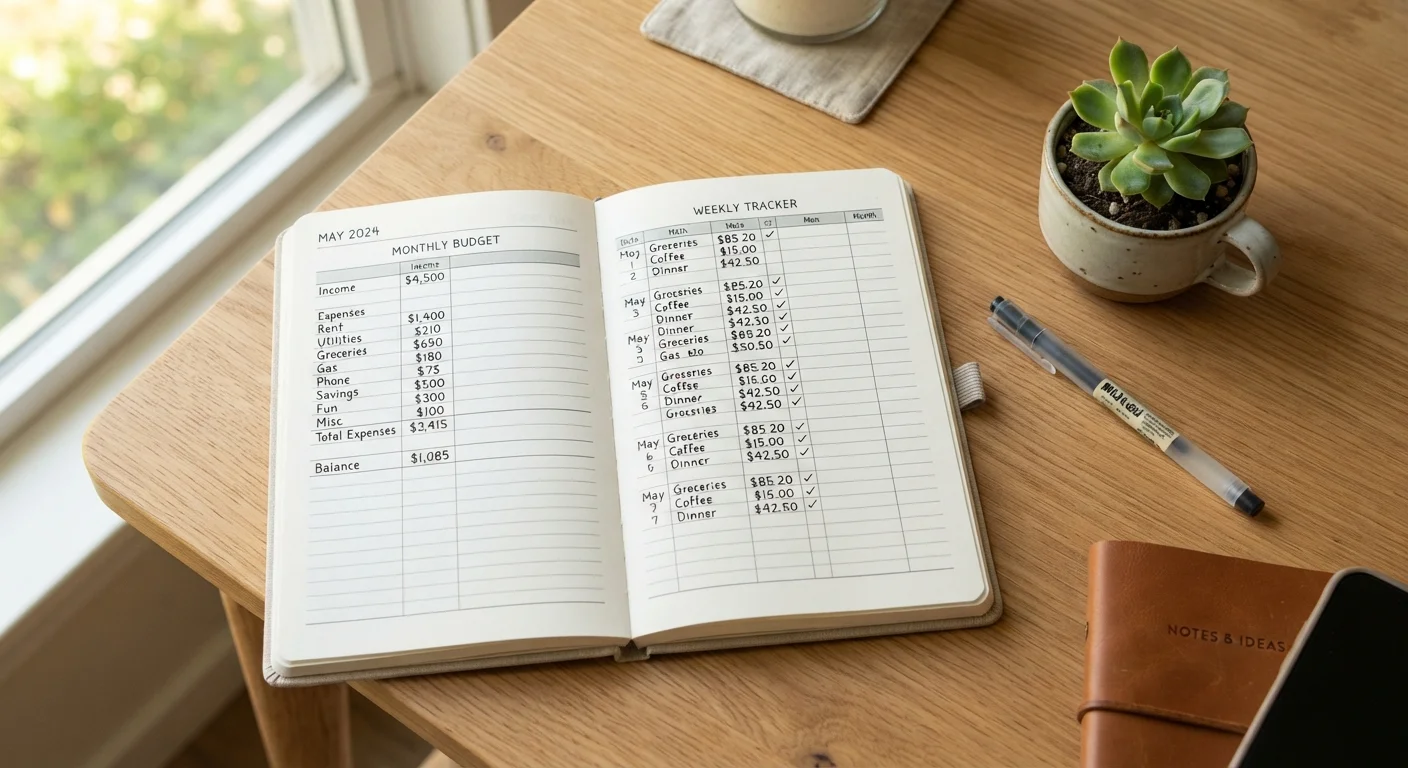
Photo: Online-Searches.net | Explore Insightful Blogs editorial
Key Takeaways
- Most budgets skip irregular but predictable expenses, causing repeated financial surprises.
- Adding specific categories for vehicle upkeep, health costs, and gifts prevents overspending.
- Sinking funds — small monthly contributions toward future costs — are a reliable planning tool.
- A budget built around your actual life is more effective than one copied from a template.
- Reviewing and adjusting categories monthly keeps your budget accurate over time.
Why the Standard Budget Template Falls Short
Most budget templates cover the obvious: housing, utilities, groceries, transportation, and maybe a savings line. That's a reasonable starting point — but for most Americans, it's an incomplete picture. The expenses that quietly derail financial progress are rarely the predictable monthly bills. They're the costs that arrive on an irregular schedule: a car repair in October, holiday gifts in December, a dental crown in March.
If you're building your first budget or refining an existing one, see our practical starting guide for the foundational framework. This article goes one level deeper — into the categories that most people skip and why each one belongs in your plan.
The concept behind catching these gaps is straightforward: irregular doesn't mean unpredictable. Many so-called surprise expenses follow recognizable patterns. Learning where surprise expenses actually come from is the first step toward neutralizing them.
Vehicle Maintenance and Repairs
Oil changes, tire rotations, brake pads, and the occasional unexpected repair make vehicle ownership genuinely expensive — yet most budgets treat transportation as a single gas-and-insurance line. The result is that mechanical expenses feel like emergencies even when they're entirely routine.
A dedicated vehicle maintenance category, funded monthly, smooths out these costs. If your car tends to need roughly $600 in maintenance per year, setting aside $50 per month means the money exists before the appointment. Delaying routine maintenance also tends to compound costs, making this category doubly worth funding.
Routine car maintenance feels like an emergency only when no money has been set aside for it.
Medical and Dental Out-of-Pocket Costs
Insurance covers a portion of healthcare expenses, but copays, deductibles, prescription costs, vision exams, and dental work add up quickly. Families with high-deductible health plans can face thousands of dollars in out-of-pocket costs before insurance meaningfully kicks in.
Rather than leaving these costs to chance, estimate what you typically spend in a year — or what your deductible exposure is — and fund the category monthly. A Health Savings Account (HSA), if you're eligible through a qualifying high-deductible plan, is a tax-advantaged way to save specifically for these costs.
Copays, deductibles, and dental work routinely catch people without dedicated savings to cover them.
Gifts and Celebrations
Birthdays, weddings, baby showers, graduations, and the winter holiday season arrive on a predictable schedule every year. Yet gift spending routinely shows up as an unplanned expense that pushes people into credit card debt — particularly in November and December.
Estimate your annual spending on gifts and divide by 12. Even a modest monthly allocation of $30–$50 can fully fund a thoughtful holiday season without financial stress. This category can also cover cards, wrapping supplies, and any hosting costs tied to celebrations.
Holiday and gift spending is entirely predictable — the only variable is whether you plan for it.
Home Maintenance and Repairs
Homeowners are generally advised to budget between 1% and 2% of their home's value annually for maintenance and repairs — covering things like HVAC servicing, appliance replacements, roof upkeep, and plumbing fixes. Renters aren't entirely exempt either: renter-specific costs like replacing a broken vacuum, repairing a window screen, or addressing wear-and-tear items add up over time.
For broader context on home upkeep costs and priorities, the home improvement hub covers a range of practical repair and upgrade considerations. A dedicated maintenance fund prevents these costs from competing with your regular monthly budget.
Home maintenance costs are predictable in aggregate, even when individual repairs are not.
Clothing and Personal Care
Clothing is often omitted from monthly budgets entirely, which doesn't mean the spending disappears — it means it goes uncategorized and untracked. Seasonal wardrobe updates, replacing worn shoes, work attire, and kids' clothing as they grow are genuine recurring costs for most households.
Personal care — haircuts, grooming products, contacts or eyeglasses — belongs in a separate line as well. Grouping these together or keeping them distinct depends on your spending volume, but both categories should appear somewhere in your budget rather than being absorbed invisibly into discretionary spending.
Uncategorized clothing and personal care spending doesn't disappear — it just becomes invisible debt.
Travel and Experiences
Even modest travel — a long weekend, a family road trip, visits to relatives — involves real costs: lodging, gas, food away from home, and activities. When these expenses aren't budgeted, they tend to be funded with credit or by pulling from other categories, both of which undermine the broader financial plan.
A dedicated travel sinking fund, built monthly, makes planned trips genuinely affordable. For anyone planning a specific trip, understanding where travelers consistently get the numbers wrong is a practical companion resource.
Travel funded without a dedicated category is often quietly borrowed from somewhere else in the budget.
Subscriptions and Memberships
Streaming services, gym memberships, software subscriptions, news platforms, and app fees accumulate gradually and are easy to forget. For many households, the total monthly subscription spend is significantly higher than expected once every service is listed. Unlike most expenses, subscriptions are entirely controllable — but only if you know what you're paying.
A dedicated subscriptions category makes the total visible and prompts regular review. At least once a year, audit every recurring charge against your actual usage. Cancel anything that no longer earns its keep, and treat what remains as a genuine budget line — not an afterthought.
Most households spend more on subscriptions than they realize, simply because no one has listed them all.
Putting It Into Practice
You don't need to add all of these categories at once. Start by identifying the two or three areas where you've repeatedly overspent or been caught off guard, then build a sinking fund for each — setting aside a small, fixed amount every month so the money is ready when the expense arrives.
Start With a Sinking Fund for One Category
If you're managing both debt repayment and savings goals alongside these new categories, a structured approach to balancing both can help you allocate without sacrificing either. And once a month, revisit your categories to ensure they still reflect your actual life — the monthly budget reset checklist is a useful tool for that review.
This article is for general informational and educational purposes only and does not constitute personalized financial advice. Consult a qualified financial professional for guidance specific to your situation.
The content provided on our blog site traverses numerous categories, offering readers valuable and practical information. Readers can use the editorial team’s research and data to gain more insights into their topics of interest. However, they are requested not to treat the articles as conclusive. The website team cannot be held responsible for differences in data or inaccuracies found across other platforms. Please also note that the site might also miss out on various schemes and offers available that the readers may find more beneficial than the ones we cover.