
Building a Realistic Budget Around Both Debt and Savings Goals

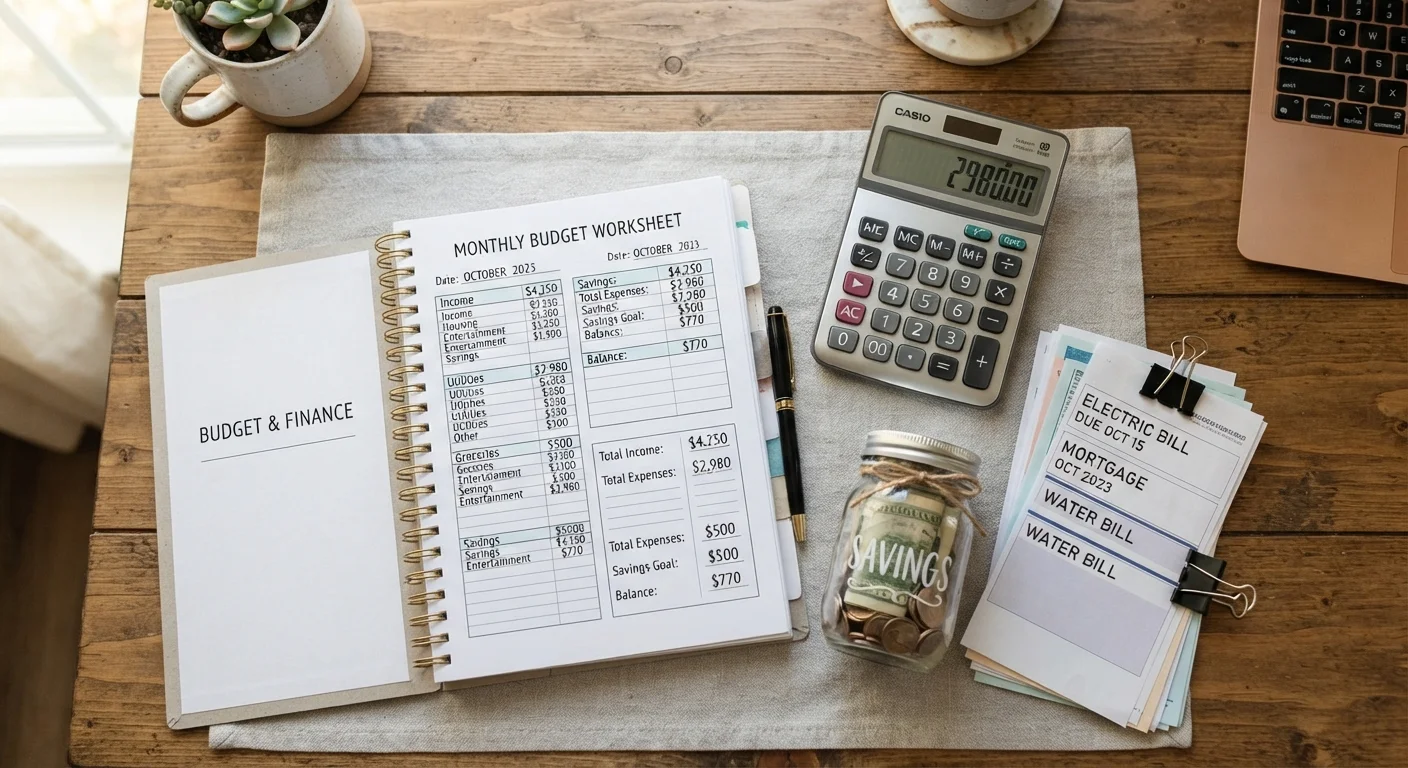
Photo: Online-Searches.net | Explore Insightful Blogs editorial
Key Takeaways
- A budget that ignores savings entirely leaves you vulnerable to new debt when unexpected expenses arise.
- Knowing your exact income and fixed obligations is the necessary first step before allocating anything.
- Even a small, consistent savings contribution builds a financial buffer that protects your debt payoff plan.
- Choosing a debt payoff method—avalanche or snowball—helps you apply extra dollars with clear intention.
- Regular monthly reviews keep your budget aligned with your actual financial situation as it changes.
Why You Can't Afford to Choose Just One
Many people feel forced to pick a side: pay off debt aggressively and save nothing, or save steadily while minimum payments drag debt out for years. Neither extreme tends to work well in practice. A budget built exclusively around debt payoff often collapses the first time an unexpected car repair or medical bill appears — because without savings, that emergency goes right back on a credit card. A budget that grows savings but ignores high-interest debt meanwhile costs you real money every month in interest charges.
The practical answer is a structure that carves out space for both, even if the amounts feel modest at first. If you want a broader conceptual framework before diving into the steps, see our companion piece on doing both at once. This guide focuses specifically on how to translate that thinking into a working monthly budget.
What you will need
Building Your Budget Step by Step
Follow these steps in order. Each one builds on the last, so resist the temptation to skip ahead to debt allocation before you've mapped your real income and expenses.
Calculate Your True Monthly Take-Home Income
Start with what actually lands in your bank account each month after taxes, not your gross salary. If your income varies — freelance work, hourly shifts, or commissions — use a conservative estimate based on your three lowest months over the past year. Building your budget around a floor rather than a peak protects you when income dips.
Include all reliable income sources: your primary job, any consistent side income, and recurring transfers. Leave out one-time windfalls; those can be allocated separately when they arrive.
List Every Fixed Obligation
Fixed obligations are non-negotiable monthly outflows: rent or mortgage, utilities, insurance premiums, minimum debt payments, subscriptions, and any automatic transfers. Write down each one with its exact amount and due date. This total is your baseline — the floor below which your budget cannot go.
If you're unsure whether you've captured everything, review three months of bank and credit card statements. Many people discover overlooked budget categories — recurring charges they've forgotten about — at this stage.
Estimate Variable Spending Realistically
Variable expenses — groceries, gas, dining, clothing, personal care — are where most budgets go wrong. People underestimate these costs because they remember their best months, not their typical ones. Again, use your bank statements: average your actual spending across at least three months for each category.
Assign realistic numbers, not aspirational ones. A budget you can't live inside will be abandoned. You can tighten these categories once the overall structure is working — not before. Planning meals in advance is one proven way to reduce grocery and dining costs without sacrifice; meal planning strategies offer practical approaches if this is a pressure point.
Establish a Minimum Savings Line Before Allocating Extra to Debt
Before deciding how much extra to put toward debt, assign at least a modest fixed savings contribution each month — even if it's $25 or $50 to start. The purpose is to prevent a zero-savings month from leaving you financially exposed. This contribution funds your emergency cushion first. Once that cushion reaches one month of essential expenses, you can shift more toward debt while keeping a smaller ongoing savings flow.
For context on how to size an emergency fund appropriately, three to six months is a starting point, not a ceiling. If your employer offers a retirement match, contribute at least enough to capture the full match before paying extra toward debt — a match is an immediate, guaranteed return that interest savings rarely outpace.
Allocate Remaining Dollars to Accelerated Debt Repayment
Subtract your fixed obligations, variable spending, and savings contribution from your take-home income. Whatever remains is available for additional debt repayment above minimums. Apply this amount intentionally using a chosen payoff strategy.
The two most common approaches are the debt avalanche — targeting the highest-interest balance first to minimize total interest paid — and the debt snowball, which targets the smallest balance first for quicker psychological wins. A detailed comparison of both methods can help you choose the one that fits your situation. Apply your extra payment consistently to one target at a time rather than spreading thin amounts across multiple balances.
Choose a Budget Format You'll Actually Use
A budget only works if you track it. Your format options range from a simple spreadsheet to a dedicated budgeting app to a paper notebook — the right choice is the one you'll return to consistently. Two popular structural methods — zero-based budgeting and the 50/30/20 rule offer different levels of granularity; either can accommodate both debt and savings goals with some customization.
Whatever format you choose, make sure it shows both your planned and actual figures side by side so you can spot variances quickly each month. For a comprehensive reference that covers setup through long-term adaptation, this end-to-end budgeting guide is a useful resource to bookmark.
Maintaining and Adjusting Over Time
A budget built once and never revisited will drift out of alignment with your life within a few months. Income changes, expenses shift, and debt balances fall — all of which create opportunities to rebalance. Each month, take 15–20 minutes to compare what you planned to spend against what you actually spent. For a structured way to do this, a monthly budget reset checklist can help you stay on track without starting from scratch.
As debt balances drop, redirect the freed-up minimum payments toward either accelerated payoff of the next debt or a stronger savings contribution — whichever gap is more pressing at that moment. It's also worth checking your debt-to-income ratio periodically, as it gives you a clear signal of how your overall financial health is trending. Life stages also shift priorities; managing savings and debt across life stages offers useful context if your situation has recently changed.
Small Adjustments Compound Over Time
This article provides general financial education and is not personalized financial advice. For guidance tailored to your specific circumstances, consider consulting a licensed financial adviser or credit counselor.
The content provided on our blog site traverses numerous categories, offering readers valuable and practical information. Readers can use the editorial team’s research and data to gain more insights into their topics of interest. However, they are requested not to treat the articles as conclusive. The website team cannot be held responsible for differences in data or inaccuracies found across other platforms. Please also note that the site might also miss out on various schemes and offers available that the readers may find more beneficial than the ones we cover.