
Understanding Added Sugars: How They Differ From Natural Sugars

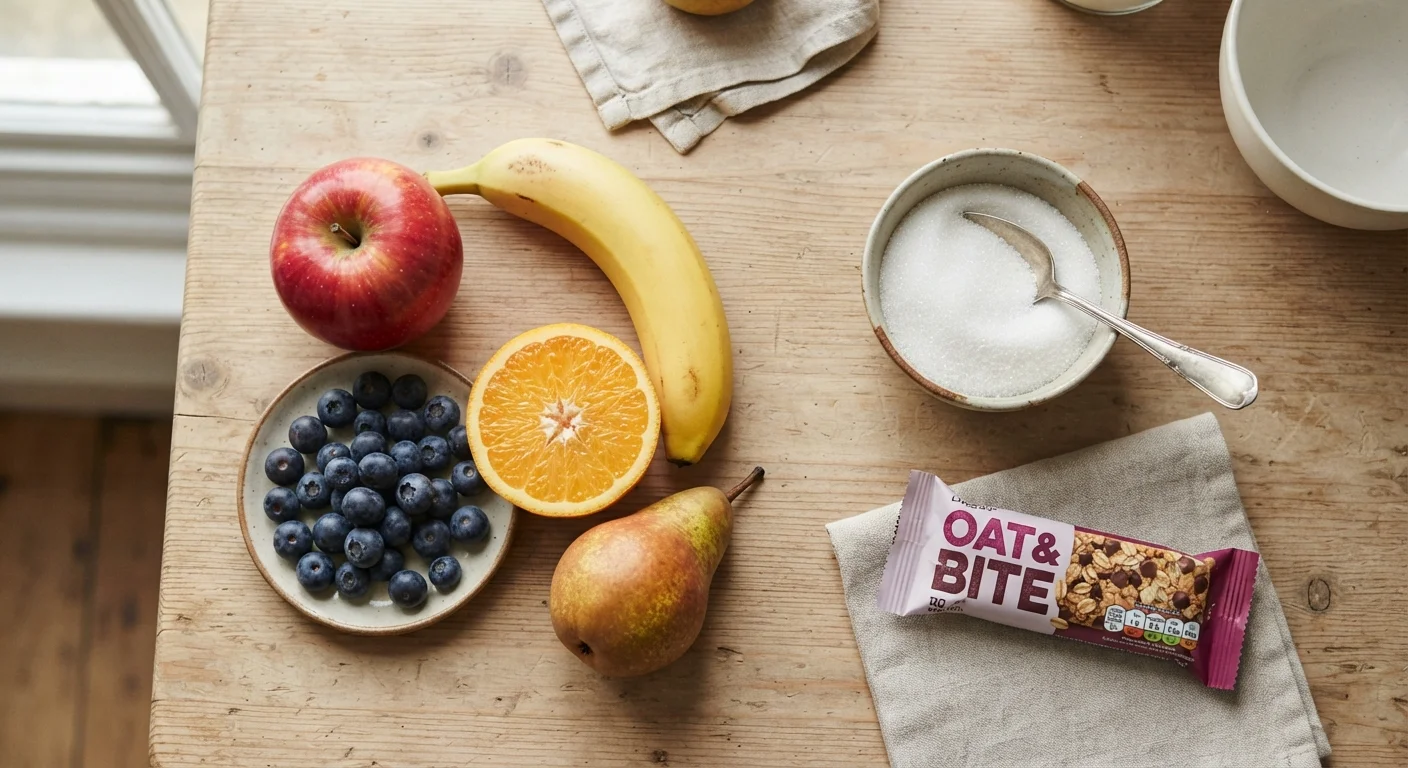
Photo: Online-Searches.net | Explore Insightful Blogs editorial
Key Takeaways
- Added sugars are incorporated during processing; natural sugars exist in whole foods from the start.
- The two types are often chemically identical — context and food matrix are what differ.
- Fiber and water in whole foods slow sugar absorption, reducing blood glucose spikes.
- U.S. dietary guidelines suggest limiting added sugars to less than 10% of daily calories.
- Nutrition labels are now required to list added sugars separately, making it easier to track intake.
- Reducing added sugar does not require eliminating fruit or plain dairy from your diet.
Why the Distinction Matters
When a label says a product contains 12 grams of sugar, it tells you very little by itself. The more useful question is: where did that sugar come from? A cup of plain whole-milk yogurt and a fruit-flavored yogurt snack cup may show similar sugar totals, yet one gets most of its sugar from naturally occurring lactose while the other is sweetened significantly with added sugars. The downstream effects on your body — and on how full and satisfied you feel — can differ considerably.
Health authorities draw this line because research consistently links high added-sugar intake to a greater risk of weight gain, dental cavities, elevated triglycerides, and other metabolic concerns, while moderate consumption of whole foods containing natural sugars has not shown the same associations. Understanding the difference gives you a practical lever: you can reduce added sugars without restricting nutritious whole foods.
Natural Doesn't Automatically Mean Unlimited
The Role of the Food Matrix
The concept nutritionists call the food matrix explains most of the practical gap between added and natural sugars. When you eat an apple, its fructose is packaged alongside several grams of dietary fiber, water content exceeding 85%, and a range of vitamins and phytonutrients. That fiber physically slows gastric emptying, moderating how quickly glucose enters your bloodstream and dampening the insulin response.
Strip that structure away — as happens when apple juice is pressed, filtered, and concentrated — and the sugar behaves more like an added sugar even if no sweetener was ever dropped into the bottle. The molecule did not change; the context did. This is why dietary guidance focuses on whole food sources of natural sugar rather than defending any particular molecule.
17 tsp
Average daily added sugar intake for U.S. adults
According to estimates from the CDC and NHANES data, American adults consume roughly 17 teaspoons of added sugar daily — well above the recommended limit.
~40%
Share of added sugar coming from beverages
Research published in nutritional epidemiology literature consistently shows that beverages — sodas, energy drinks, sweetened coffees — account for the largest single category of added sugar in the American diet.
10%
Recommended daily calorie cap for added sugars
The U.S. Dietary Guidelines for Americans set this threshold as the upper limit for added sugars as a proportion of total daily caloric intake.
Reading Labels and Reducing Intake Practically
The updated Nutrition Facts label now requires a dedicated "Added Sugars" line, measured in grams and as a percentage of the Daily Value. This single change makes tracking far more actionable than reading ingredient lists, where added sugars can hide under more than 60 different names — from "cane syrup" and "maltose" to "agave nectar" and "fruit juice concentrate."
Practical reductions rarely require dramatic overhauls. Swapping a sweetened beverage for water or unsweetened sparkling water is consistently one of the highest-impact changes, since sugary drinks deliver calories with essentially no satiety benefit. Similarly, choosing plain oatmeal with fresh fruit over presweetened instant packets, or selecting plain yogurt and adding your own fruit, can shave meaningful amounts of added sugar without sacrificing taste.
A Simple Label-Reading Habit
This article is for general informational and educational purposes only and is not a substitute for personalized advice from a registered dietitian or qualified healthcare professional.
Frequently Asked Questions
The content provided on our blog site traverses numerous categories, offering readers valuable and practical information. Readers can use the editorial team’s research and data to gain more insights into their topics of interest. However, they are requested not to treat the articles as conclusive. The website team cannot be held responsible for differences in data or inaccuracies found across other platforms. Please also note that the site might also miss out on various schemes and offers available that the readers may find more beneficial than the ones we cover.