
Making a Special Diet Stick When the Rest of Your Household Doesn't Follow It

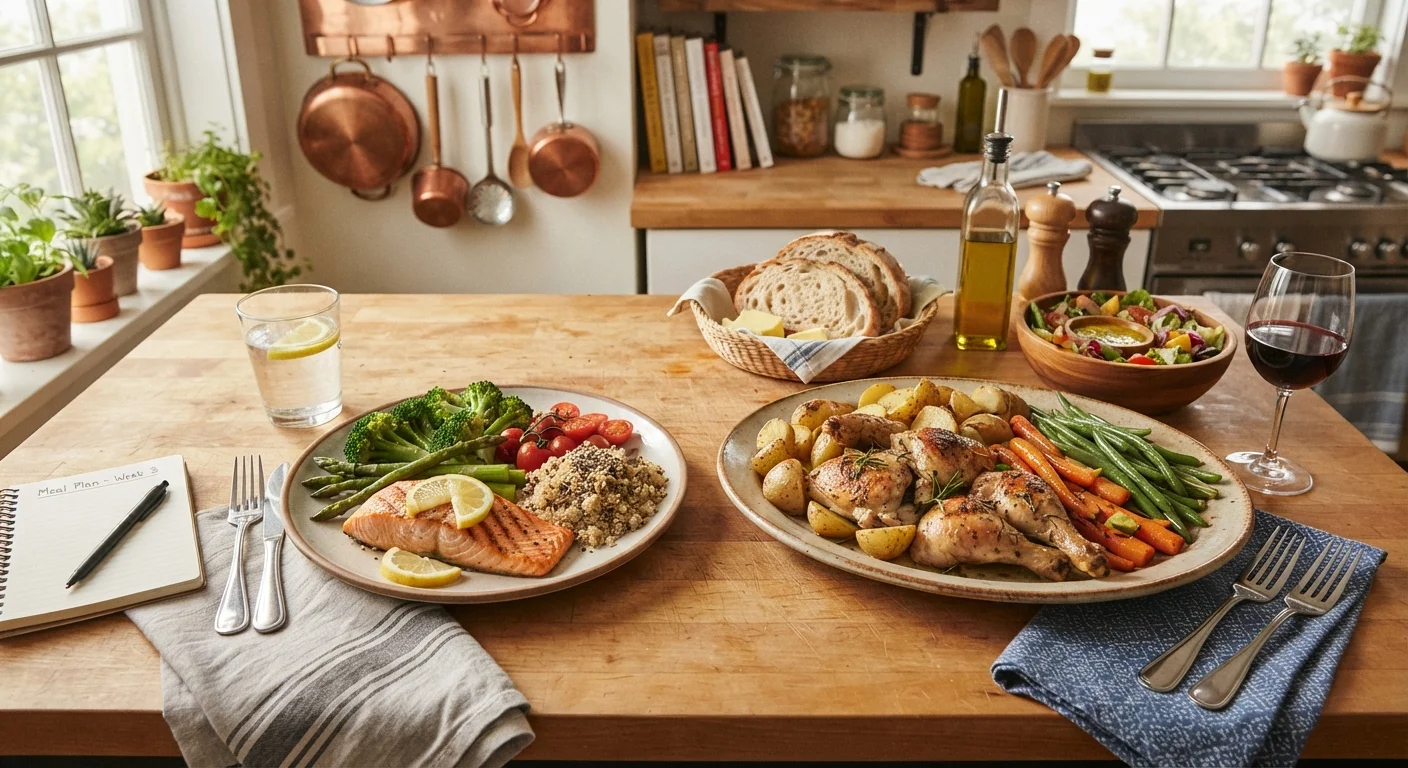
Photo: Online-Searches.net | Explore Insightful Blogs editorial
Key Takeaways
- Strategic grocery shopping and meal architecture reduce the burden of cooking separately for yourself.
- Most family meals can be built around a shared base with customizable add-ons for each eater.
- Keeping your diet-specific ingredients organized and visible is one of the most effective compliance tools.
- Social pressure at the table is a leading reason special diets fail — having a plan for it matters.
- Batch-cooking your own components ahead of time dramatically lowers weeknight friction.
Why Shared Households Create Unique Dietary Challenges
Following a special diet when you live alone is logistically straightforward: you buy what you need, you cook what fits, and there are no competing food environments in your kitchen. Add even one other person with different eating habits and the complexity multiplies — shared pantries, different cooking priorities, social dynamics around food, and the sheer exhaustion of making two versions of dinner night after night.
Understanding why household dynamics create friction is the first step toward solving it strategically rather than just grinding through willpower. The common reasons special diets fall apart are well-documented, and household food environment ranks consistently among the top contributors.
The good news: most of the friction is logistical, not relational. The strategies below address the practical layer — shopping, cooking, and meal design — as well as the social layer that trips up even motivated, well-informed eaters.
What you will need
Tools and Setup That Make This Sustainable
Getting the right infrastructure in place before the week begins reduces daily decision fatigue significantly. These aren't elaborate systems — they're small, deliberate organizational choices that compound over time.
Clearly labeled food storage containers
Separating your prepped ingredients from shared household food prevents confusion and cross-contact.
A weekly meal planning template
Mapping out the week's meals in advance helps you identify overlap opportunities and gaps in your own diet.
A designated shelf or drawer in the refrigerator
Dedicated space for your diet-specific items reduces the friction of finding and using them consistently.
A slow cooker or sheet pan
Batch-cooking your own protein or vegetable components with minimal active time frees you from nightly separate cooking.
If you're in the early weeks of a new dietary approach, the transition checklist for the first four weeks outlines how to set up your kitchen and grocery habits step by step so these tools get used from the start rather than retrofitted later.
Step-by-Step: Managing Your Diet in a Mixed Household
The following steps are designed to be implemented progressively — start with steps one through three in the first week, then add the remaining steps as the logistics become routine. You don't need to overhaul everything at once.
Map Out the Overlap Between Your Diet and Everyone Else's
Before assuming you need to cook entirely separate meals, look for genuine common ground. Most households share more dietary overlap than they realize. List the foods your plan allows that others also eat — grilled chicken, roasted vegetables, rice, eggs, and fresh fruit satisfy most dietary frameworks and most non-dieting eaters too.
This overlap list becomes the foundation of your shared meal planning. The family meal planning guide covers this architecture in more depth if your household has multiple competing preferences to navigate.
Restructure Your Grocery Shopping Into Two Tracks
Divide your grocery list into shared items (things everyone in the household uses) and personal items (foods specific to your dietary approach). Shopping with this structure prevents you from underbuying your own ingredients or defaulting to whatever the household already has on hand.
Budget your personal track separately if cost is a concern. Some specialty ingredients do carry a price premium, and building that into your food budget from the start prevents friction later. See our meal planning hub for practical strategies on keeping diet-specific eating affordable.
Batch-Cook Your Core Components Once a Week
Preparing your diet-specific proteins, grains, or base ingredients in bulk — typically on a Sunday or whenever you have an hour free — eliminates most of the weeknight pressure of eating differently from everyone else. If your household is eating pasta and you're not, having pre-cooked alternatives ready to heat removes the temptation to give up and just eat what's easiest.
For practical solo-cooking strategies that also apply here, the meal planning for one guide offers useful frameworks for variety without excess waste.
Design Dinners Using a Modular Structure
Rather than making two separate complete meals, engineer dinners so most components are shared but assembly differs by person. Tacos work for this: a shared protein and toppings bar, with different shells or lettuce wraps for whoever needs them. Stir-fry over rice for some, cauliflower rice for others. Soup with or without noodles added individually at the bowl.
This approach dramatically reduces cooking time and avoids the social awkwardness of visibly eating something entirely different at a shared table.
[tip_callout]Set Clear Expectations With Your Household — Once
You don't need to advocate for your diet at every meal, but having one honest conversation with the people you live with reduces daily friction considerably. Let them know what you're doing, what you need (dedicated shelf space, not finishing leftovers you were counting on, not offering you foods that don't fit your plan), and that you're not expecting them to change what they eat.
Social pressure at the table is one of the most commonly cited reasons dietary approaches fail, and it often comes from well-meaning people rather than adversarial ones. A single upfront conversation handles most of it.
Build a Plan for High-Risk Moments Before They Arrive
Family celebrations, movie nights, ordering takeout together — these predictable situations are where dietary approaches most often slip. The solution isn't avoidance; it's a pre-decided response. Know in advance what you'll order from common takeout options, what you'll bring or eat before a gathering, or which foods on the holiday table fit your approach.
Our article on eating out without abandoning your dietary approach covers the restaurant version of this in detail. The underlying principle — decide before the high-friction moment, not during it — applies equally at home.
When Your Diet Has a Medical Basis
For context on the broader principles behind balanced eating that can anchor any special diet, the healthy eating basics hub is a useful reference point regardless of which dietary approach you're following.
This article is for general informational and educational purposes only. It is not a substitute for personalized advice from a registered dietitian or qualified healthcare provider. If your dietary approach is medically prescribed or you have a diagnosed health condition, consult your healthcare team before making changes.
The content provided on our blog site traverses numerous categories, offering readers valuable and practical information. Readers can use the editorial team’s research and data to gain more insights into their topics of interest. However, they are requested not to treat the articles as conclusive. The website team cannot be held responsible for differences in data or inaccuracies found across other platforms. Please also note that the site might also miss out on various schemes and offers available that the readers may find more beneficial than the ones we cover.