
Strength Training Without a Gym: What You Need to Know Before You Start

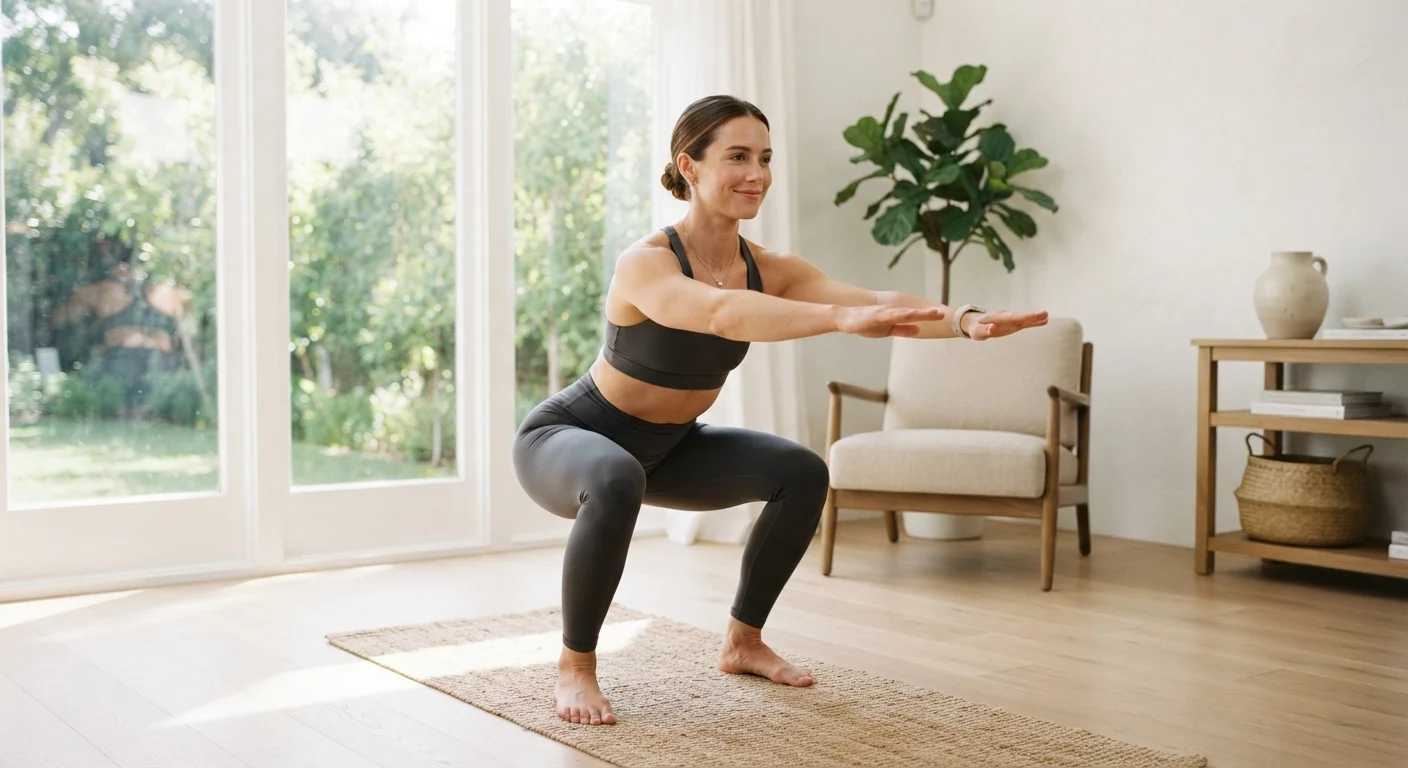
Photo: Online-Searches.net | Explore Insightful Blogs editorial
Key Takeaways
- Bodyweight exercises can build genuine, functional strength without any equipment.
- Progressive overload — gradually increasing challenge over time — is the core principle behind all effective strength training.
- Proper form and adequate rest matter more for beginners than intensity or duration.
- Consistency across weeks and months produces far greater results than any single perfect workout.
- Most beginners do not need a gym; a clear floor space and a structured plan are enough to start.
Why Home-Based Strength Training Actually Works
Strength training doesn't require gleaming machines, a locker room, or a monthly fee. What it requires is a consistent mechanical challenge applied to your muscles over time. Your body doesn't know whether that challenge came from a cable machine or the floor of your living room.
Research in exercise science has confirmed that resistance training — including bodyweight and minimal-equipment formats — produces meaningful improvements in muscle strength, bone density, metabolic health, and functional mobility. If you've been hesitant because you assumed a gym was necessary, that assumption is worth setting aside. See our balanced breakdown of cardio vs. strength training to understand what resistance work does for your health specifically.
Key Concepts Before You Begin
Understanding a few core principles before your first session will save you weeks of guesswork and reduce your injury risk considerably.
Progressive overload
The practice of gradually increasing the difficulty of your workouts over time — through more repetitions, harder variations, or added resistance — so your muscles continue to adapt and grow stronger.
Rep and set
A rep (repetition) is one complete movement, such as one push-up. A set is a group of consecutive reps performed before resting.
Muscle hypertrophy
The physiological process by which muscle fibers grow larger in response to resistance training. It's the main mechanism behind visible muscle development.
Recovery
The rest period after training during which your body repairs muscle tissue and adapts to the stress of exercise. Adequate sleep and nutrition both support this process.
Compound movement
An exercise that works multiple muscle groups simultaneously, such as a squat (legs, glutes, core) or a push-up (chest, shoulders, triceps). These are efficient choices for beginners with limited time.
These concepts aren't academic — they're the practical tools you'll use every time you program or adjust your workouts.
What Equipment (If Any) Do You Need?
The honest answer for a beginner: almost nothing. A clear floor space roughly the size of a yoga mat is enough to perform squats, lunges, push-ups, planks, glute bridges, and dozens of variations. That range of movements covers every major muscle group.
When bodyweight alone stops providing enough challenge — which for most beginners takes several weeks of consistent training — a set of resistance bands is typically the most cost-effective next step. They're portable, adjustable in difficulty, and capable of loading pulling movements (like rows) that are otherwise difficult to train without equipment.
Use What You Already Have
If you're uncertain whether you're physically ready to begin, our practical readiness checklist walks through what to assess before you start any new routine.
How to Structure a Beginner Home Workout
A simple, effective beginner session has three parts: a brief warm-up, the main work, and a cool-down.
- Warm-up (5 minutes): Light movement that raises your heart rate and loosens joints — think arm circles, leg swings, and slow bodyweight squats.
- Main work (20–30 minutes): Select four to six exercises that target different muscle groups. Perform two to three sets of each, with enough repetitions that the last two feel genuinely hard but your form stays clean.
- Cool-down (5 minutes): Slow stretching of the muscles you worked, held for 20–30 seconds each.
Rest 60–90 seconds between sets. This is not wasted time — it allows partial energy recovery so your next set is productive rather than compromised.
Aim for two to three sessions per week with at least one rest day between them. Nutrition also plays a meaningful role in how well your body recovers and adapts. Our nutrition foundation guide covers the essentials without the jargon.
Avoiding Common Beginner Mistakes
The most common early errors aren't about effort — they're about strategy.
- Skipping rest days
- Muscles adapt during recovery, not during the workout itself. Training the same muscle groups daily without rest slows progress and raises injury risk.
- Chasing intensity too soon
- Jumping to advanced variations before mastering the basics leads to compensatory movement patterns that cause strain over time. Progress form first, then intensity.
- Ignoring pain signals
- Muscle fatigue and mild soreness are normal. Sharp, joint-specific, or persistent pain is not. Stop the movement that causes it and consult a healthcare professional if it continues.
- Expecting immediate visible results
- Early strength gains are largely neurological — your brain gets better at using the muscle you already have. Visible changes take longer and are heavily influenced by factors beyond training alone.
When to Pause and Seek Guidance
Making It Stick for the Long Haul
Most people who start a home workout routine don't fail because the exercises were wrong. They stop because the habit didn't take root. Building an exercise habit after past false starts is genuinely learnable — it's about designing conditions that make showing up the path of least resistance.
A few principles that help: schedule sessions like appointments, keep early workouts short enough that skipping feels sillier than doing them, and track something simple (even just a checkmark on a calendar) to build a visible streak. Progress in strength training is cumulative — what you do this month builds the capacity for what you can do next month.
If structured workouts feel too rigid as a starting point, that's worth acknowledging too. Our guide for people who dislike traditional exercise offers a different frame that may be more sustainable for you.
This article is for general informational purposes only and is not a substitute for professional medical advice. Consult a qualified healthcare provider before beginning any new exercise program, particularly if you have a health condition, injury, or other medical concern.
Frequently Asked Questions
The content provided on our blog site traverses numerous categories, offering readers valuable and practical information. Readers can use the editorial team’s research and data to gain more insights into their topics of interest. However, they are requested not to treat the articles as conclusive. The website team cannot be held responsible for differences in data or inaccuracies found across other platforms. Please also note that the site might also miss out on various schemes and offers available that the readers may find more beneficial than the ones we cover.