
What Chronic Stress Actually Does to Your Body Over Time

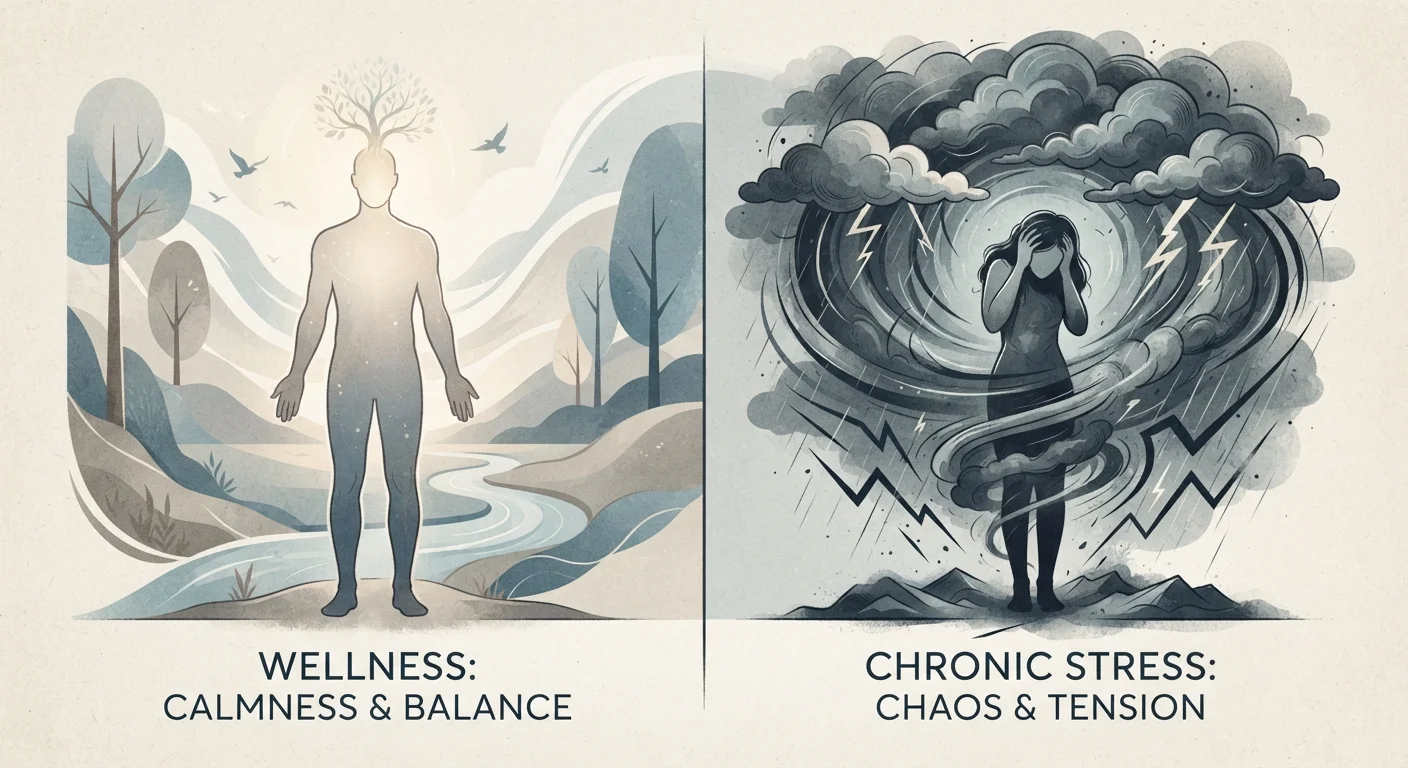
Photo: Online-Searches.net | Explore Insightful Blogs editorial
Key Takeaways
- Chronic stress keeps the body's fight-or-flight response switched on far longer than it was designed to run.
- Long-term elevated cortisol is linked to disrupted sleep, weakened immunity, digestive problems, and cardiovascular strain.
- The body does not clearly separate mental stress from physical threat — it responds to both the same way.
- Recognizing early warning signs gives you the opportunity to address stress before it compounds.
- Consistent, small stress-management habits often have more impact than occasional large interventions.
Why the Body Treats Stress as a Physical Emergency
Your body's stress response was shaped by evolution to handle immediate, short-lived threats — a predator, a sudden fall, a physical confrontation. When you perceive danger, your brain triggers the release of hormones including cortisol and adrenaline, which sharpen focus, accelerate heart rate, and redirect energy to your muscles. This is the fight-or-flight response, and it is genuinely life-saving in the right context.
The problem is that modern stressors — financial pressure, relationship conflict, workplace demands — do not switch off the way a physical threat does. Your nervous system cannot easily distinguish between a looming deadline and a looming predator. The result is a stress response that fires repeatedly, or never fully shuts down, leaving the body running on alert-mode chemistry day after day.
“The body cannot distinguish between psychological threat and physical danger. Both activate the same stress pathways — and with chronic activation, those pathways begin to wear on the systems they were meant to protect.”
— Robert Sapolsky, Neuroendocrinologist and author of 'Why Zebras Don't Get Ulcers'
How Chronic Stress Affects Major Body Systems
When cortisol remains elevated for extended periods, it interferes with the normal operation of several interconnected systems:
- Immune function: Cortisol suppresses the inflammatory response that helps fight infection. Over time, chronic stress can leave the immune system both overactive in some areas (contributing to inflammatory conditions) and underresponsive in others, making it harder to fend off illness.
- Sleep: Stress hormones promote wakefulness. Chronically elevated cortisol disrupts the natural rise and fall of the sleep-wake cycle, making it harder to fall asleep, stay asleep, or feel rested — which then further heightens stress in a reinforcing loop.
- Digestion: The gut and brain are in constant two-way communication via the gut-brain axis. Stress slows digestion, alters gut bacteria balance, and can worsen conditions like irritable bowel syndrome (IBS). Many people notice stomach upset, bloating, or changes in appetite during stressful periods.
- Cardiovascular health: Repeated spikes in blood pressure and heart rate place cumulative strain on the heart and blood vessels. Chronic stress is associated with higher baseline blood pressure and increased levels of inflammatory markers — both risk factors for heart disease.
- Mental health: Sustained high cortisol is associated with changes in brain regions involved in memory and mood regulation. This can contribute to anxiety, low mood, and difficulty concentrating over time.
75–90%
Doctor visits linked to stress-related conditions
The American Psychological Association has cited estimates suggesting that a substantial majority of primary care visits involve a stress-related component.
2x
Higher risk of heart disease in chronically stressed individuals
Research published in cardiology literature consistently links chronic psychosocial stress with approximately double the cardiovascular disease risk compared to low-stress populations.
40%
Adults reporting stress-related sleep disruption
Surveys conducted by the American Psychological Association have found that roughly four in ten adults report that stress negatively affects their sleep quality.
Recognizing Chronic Stress Before It Compounds
One of the challenges with chronic stress is that it builds gradually. Early signals are easy to dismiss as ordinary tiredness or a difficult week. Common physical indicators include persistent tension headaches, frequent colds, changes in appetite, jaw clenching or muscle pain, and fatigue that does not resolve with rest. Emotionally, you might notice irritability, a sense of dread, or difficulty feeling present.
Small Daily Habits Matter More Than You Think
If these patterns have persisted for several weeks, they deserve attention — not as personal failings, but as useful information your body is providing. See our complete mental wellbeing resource for a broader look at how stress, sleep, and emotional health intersect.
This article is for general informational purposes only and does not constitute medical advice. If you are concerned about the effects of stress on your health, please consult a qualified healthcare professional.
Frequently Asked Questions
The content provided on our blog site traverses numerous categories, offering readers valuable and practical information. Readers can use the editorial team’s research and data to gain more insights into their topics of interest. However, they are requested not to treat the articles as conclusive. The website team cannot be held responsible for differences in data or inaccuracies found across other platforms. Please also note that the site might also miss out on various schemes and offers available that the readers may find more beneficial than the ones we cover.