
New Orleans Beyond Bourbon Street: The Neighborhoods That Define the City

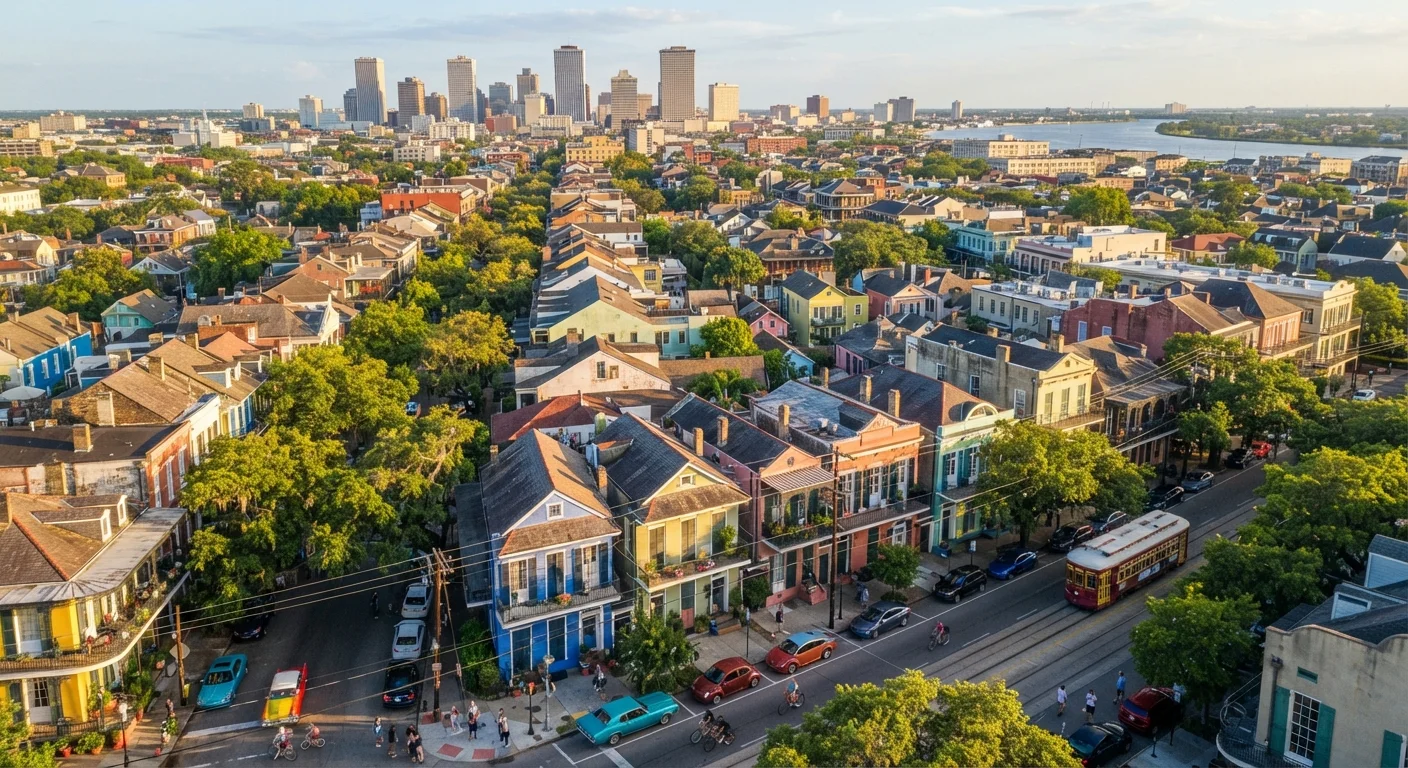
Photo: Online-Searches.net | Explore Insightful Blogs editorial
Key Takeaways
- New Orleans has dozens of distinct neighborhoods, each with its own cultural personality and history.
- The French Quarter is just one small part of a much richer, sprawling city.
- Tremé is widely recognized as one of the oldest African American neighborhoods in the United States.
- The Garden District showcases stunning antebellum architecture and walkable streets.
- Bywater and the Marigny attract artists, musicians, and locals seeking an authentic New Orleans vibe.
- Exploring neighborhoods on foot or by streetcar reveals a far deeper picture of the city.
Why Neighborhoods Are the Real Story
Ask any New Orleanian where they're from, and they'll name their neighborhood before their city. That instinct speaks to something essential: New Orleans isn't one place — it's a constellation of communities, each carrying its own history, sound, and soul. Bourbon Street delivers a certain kind of spectacle, but the city's actual character lives in its streets, front porches, and corner stores from Tremé to Hollygrove.
What makes New Orleans neighborhoods so compelling is that their differences aren't cosmetic. They reflect waves of migration, cultural resistance, architectural evolution, and community-building stretching back centuries. Spending time in them isn't a bonus activity — it's the trip itself.
72+
Recognized neighborhoods in New Orleans
The City of New Orleans officially recognizes more than 72 distinct neighborhoods within its boundaries, each with its own civic association and identity.
~1 mile
Distance from French Quarter to Tremé
Tremé sits less than a mile from Bourbon Street, yet most visitors never cross into it — missing one of the most historically important communities in America.
1835
Year St. Charles streetcar line began operating
The St. Charles streetcar line, which connects downtown to Uptown neighborhoods, is one of the oldest continuously operating street railways in the world.
Tremé: The Heartbeat of Black New Orleans
Just north of the French Quarter, Tremé (pronounced treh-MAY) stands as one of the most historically significant neighborhoods in American history. Free people of color lived and organized here long before the Civil War, building a community with its own schools, churches, and cultural institutions. Congo Square — now part of Louis Armstrong Park — was one of the only places in the antebellum South where enslaved people were permitted to gather and make music publicly, and that tradition seeded what became jazz.
Today, Tremé is home to the Backstreet Cultural Museum, which documents Mardi Gras Indian culture, jazz funerals, and second-line parade traditions. On many Sundays, you can hear a brass band leading a neighborhood procession through the streets — not for tourists, but for the community. That's Tremé.
The Garden District and Uptown: Grand Avenues and Oak Canopies
Riding the St. Charles streetcar uptown is one of the great simple pleasures in American travel. The route rolls past the Garden District, a neighborhood of enormous antebellum mansions built by wealthy American merchants in the 1800s — distinct from the Creole-influenced architecture of the French Quarter just a few miles downriver. Magazine Street cuts through the area with independent shops, restaurants, and cafés that serve locals as much as visitors.
Uptown extends further, blending residential streets, university campuses, and neighborhood restaurants into a picture of everyday New Orleans life. The oak trees here — enormous, ancient, draped over streets in green canopies — are reason enough to wander slowly.
Marigny and Bywater: Where Creatives and Culture Converge
The Faubourg Marigny, immediately downriver from the French Quarter, has long been a hub for live music and nightlife that feels lived-in rather than performed. Frenchmen Street is the local alternative to Bourbon — a strip of clubs and bars where jazz, funk, and brass band music spill onto the sidewalk most nights of the week. The vibe is participatory, not theatrical.
Further downriver, Bywater has drawn artists, chefs, and writers for decades, resulting in a neighborhood dense with colorful Creole cottages, inventive restaurants, and murals covering nearly every blank wall. It's a neighborhood in the truest sense — where people actually live, raise families, and build community — and that realness is exactly what makes it worth visiting.
Walk Slowly, Talk to People
Frequently Asked Questions
The content provided on our blog site traverses numerous categories, offering readers valuable and practical information. Readers can use the editorial team’s research and data to gain more insights into their topics of interest. However, they are requested not to treat the articles as conclusive. The website team cannot be held responsible for differences in data or inaccuracies found across other platforms. Please also note that the site might also miss out on various schemes and offers available that the readers may find more beneficial than the ones we cover.