
Jet Lag, Travel Fatigue, and How They Differ

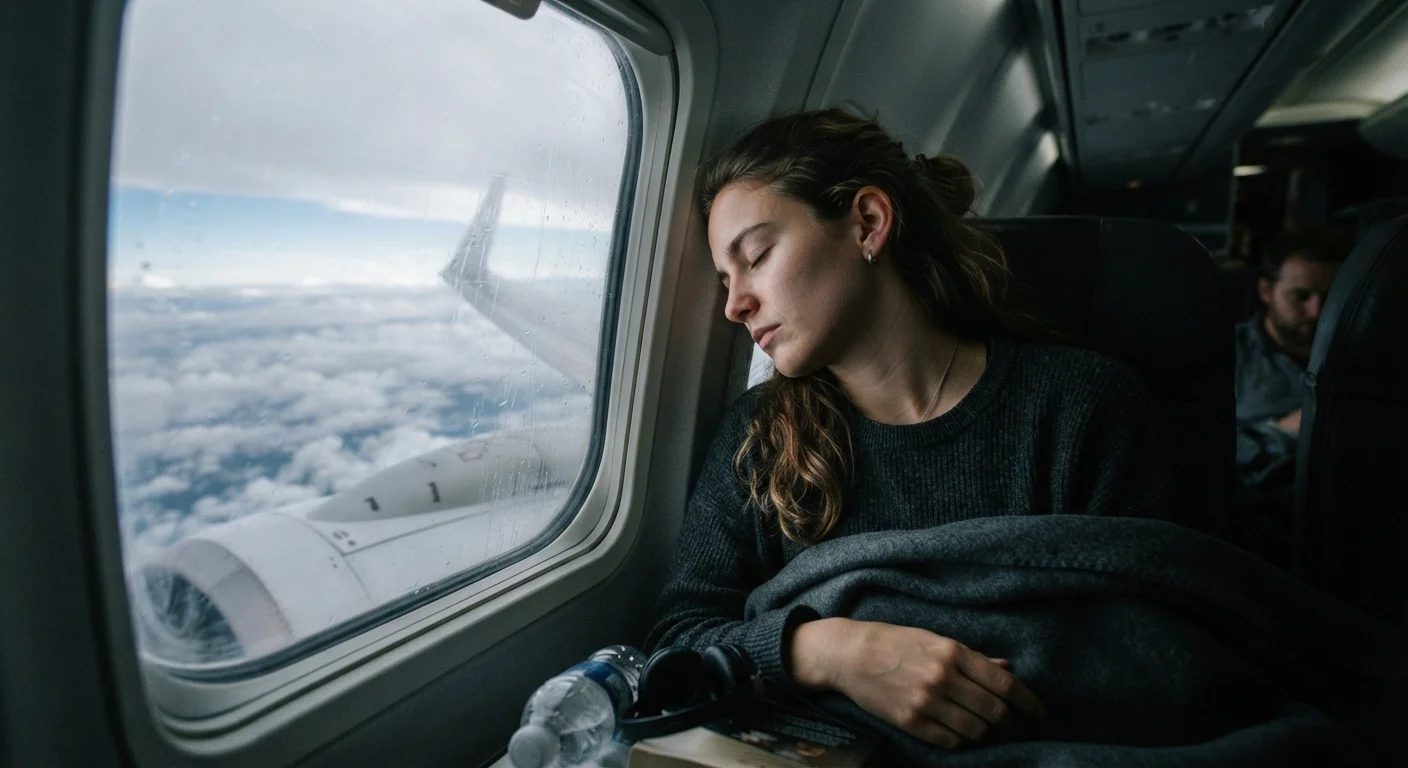
Photo: Online-Searches.net | Explore Insightful Blogs editorial
Key Takeaways
- Jet lag is caused by a mismatch between your internal body clock and the local time at your destination.
- Travel fatigue can happen on any long trip — even a domestic flight or a cross-country road trip.
- Eastward travel typically causes more severe jet lag than westward travel.
- Hydration, light exposure, and sleep timing are the most evidence-supported tools for managing both conditions.
- Recovery from travel fatigue usually takes a day; jet lag recovery can take several days to a week.
The Core Difference You Need to Know
Both conditions leave you foggy, sluggish, and craving a real bed — but their causes are completely different, and that distinction matters for how you recover.
Jet lag is a biological disruption. Your circadian rhythm — the internal clock regulating sleep, hunger, hormone release, and body temperature — is anchored to your home time zone. When you arrive somewhere five, eight, or ten hours away, that clock doesn't instantly reset. The result: you feel wide awake at 3 a.m., desperate for sleep at noon, and vaguely unwell for days.
Travel fatigue is simpler. It's the cumulative toll of the journey itself: the 4 a.m. alarm, the hours in recycled cabin air, the neck-cramping middle seat, the skipped meals, the airport sensory overload. It has nothing to do with time zones — a red-eye from New York to Los Angeles can leave you just as wiped out as an intercontinental flight, even though you've only crossed three time zones.
You Can Have Both at Once
What Makes Jet Lag Worse (or Better)
Direction of travel is one of the most underappreciated factors. Traveling east — say, from the U.S. to Europe — forces your body to advance its clock, essentially waking up and going to bed earlier than it wants to. Most people find this harder than westward travel, which allows the clock to run slightly long. If you've ever returned from Europe feeling less wrecked than you did on arrival, this is why.
The number of time zones crossed matters too. Hopping from New York to Chicago (one zone) barely registers. Flying from Los Angeles to Tokyo (17–18 hours, crossing the International Date Line) is a significant biological challenge.
Individual factors also play a role. Age, overall health, sleep quality before the trip, and even chronotype (whether you're naturally a morning person or a night owl) all influence how hard jet lag hits. For a deeper look at how time zones and international logistics change your entire trip-planning approach, see our guide to international vs. domestic trip planning.
Time Your Light Exposure Strategically
Practical Recovery Strategies for Each
For travel fatigue: the fix is refreshingly straightforward. Sleep — as much and as soon as you reasonably can. Rehydrate, eat a proper meal, and give yourself permission to take it slow on the first day. Most travelers bounce back within 24 hours. Building deliberate rest into your itinerary pays dividends; a well-structured travel itinerary accounts for this instead of packing every arrival day wall-to-wall.
For jet lag: the goal is resetting your circadian rhythm as efficiently as possible. Light exposure is your most powerful tool — natural daylight at your destination tells your brain to recalibrate. Get outside during daylight hours, even if you're tired. Conversely, avoid bright light at the times you'd normally be sleeping back home.
Eating and moving on your destination's schedule — even when your body protests — helps accelerate adjustment. Some travelers use melatonin to nudge their sleep timing; if you're considering this, speak with a healthcare professional about appropriate timing and whether it suits your situation.
Small pre-trip habits make a measurable difference too. The routines experienced travelers swear by — like staying hydrated before boarding and avoiding alcohol on long flights — reduce how depleted you arrive.
When Exhaustion Signals Something Else
Most post-travel weariness is entirely normal and resolves on its own. But if fatigue is severe, persistent beyond a week, or accompanied by symptoms like fever, significant digestive distress, or confusion, it's worth checking in with a healthcare professional. Travel exposes people to new environments, foods, and pathogens, and what feels like stubborn jet lag occasionally has another cause.
It's also worth noting that drowsiness behind the wheel — whether you've just landed or driven ten hours — carries serious safety implications. The same depletion that makes jet lag miserable can impair your reaction time and decision-making on the road. Our coverage of driving fatigue warning signs is essential reading before you pick up a rental car after a long international flight.
The bottom line: knowing which condition you're dealing with removes a lot of guesswork and anxiety. Travel fatigue calls for rest. Jet lag calls for patience, light, and strategic scheduling. Both are temporary — and both are far easier to manage when you understand what's actually happening in your body.
This article is for general informational purposes only and does not constitute medical advice. Consult a qualified healthcare professional for guidance specific to your health situation.
Frequently Asked Questions
The content provided on our blog site traverses numerous categories, offering readers valuable and practical information. Readers can use the editorial team’s research and data to gain more insights into their topics of interest. However, they are requested not to treat the articles as conclusive. The website team cannot be held responsible for differences in data or inaccuracies found across other platforms. Please also note that the site might also miss out on various schemes and offers available that the readers may find more beneficial than the ones we cover.