
Keeping Insurance Costs Manageable Over the Life of a Vehicle

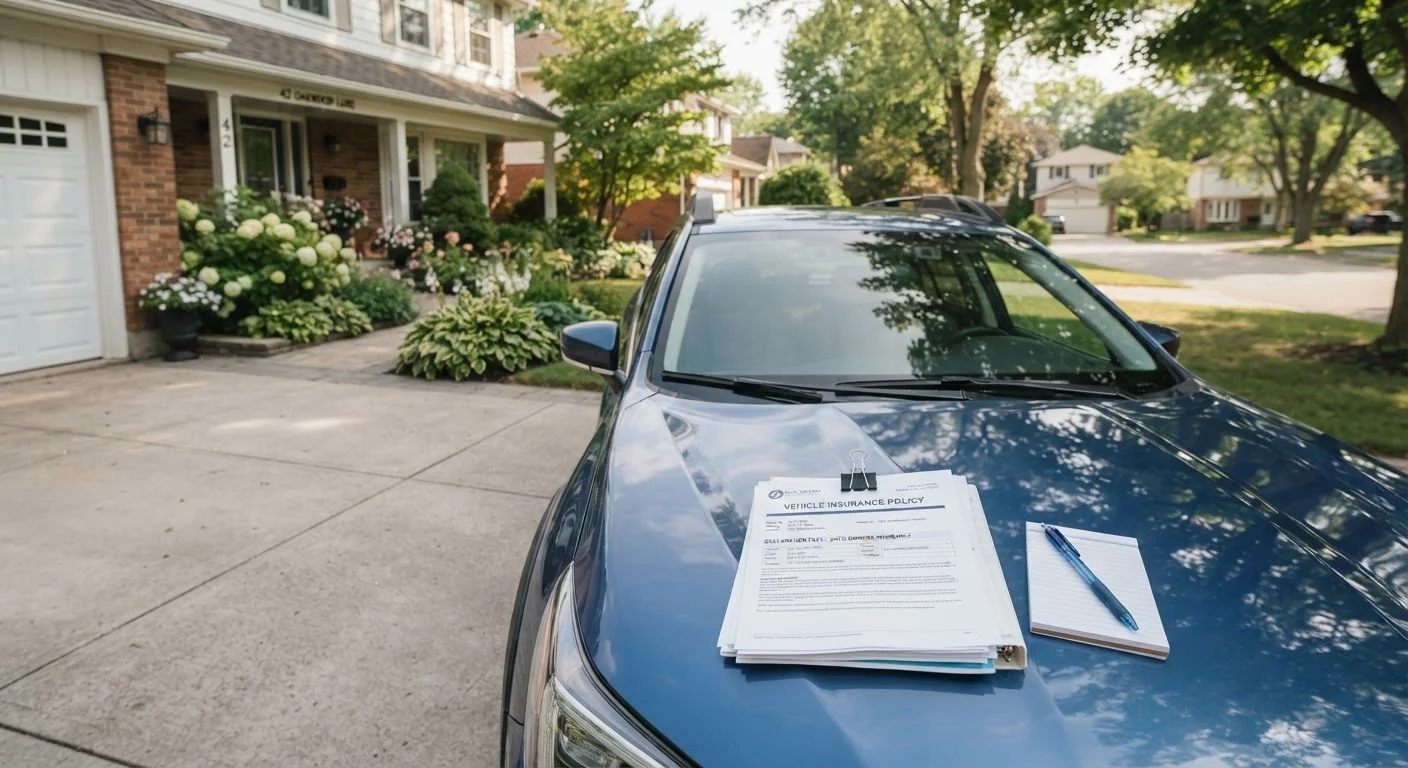
Photo: Online-Searches.net | Explore Insightful Blogs editorial
Key Takeaways
- Your deductible level directly affects your premium — choose it based on your financial cushion.
- Coverage needs shift as a vehicle ages; regular policy reviews help avoid overpaying.
- A clean driving record is one of the most durable ways to keep insurance rates low.
- Bundling policies and asking about discounts can meaningfully reduce annual costs.
- Major life changes — moving, adding a driver, paying off a loan — are cues to reassess coverage.
Why Insurance Costs Change Throughout a Vehicle's Life
Auto insurance isn't a set-it-and-forget-it expense. Premiums shift as your car ages, your personal circumstances evolve, and your driving record accumulates history. Understanding what drives these changes is the first step toward managing them intentionally rather than absorbing them passively.
When a vehicle is new — especially if it was financed or leased — lenders typically require comprehensive and collision coverage. As the car depreciates and any loan is paid off, you gain more flexibility to adjust what you carry. At the same time, your insurer is continuously reassessing risk based on factors like local claim rates, your credit-based insurance score (where permitted by state law), and your driving history.
Staying informed about how these variables interact puts you in a much stronger position at every renewal cycle. For a deeper look at how coverage levels compare financially, see our guide to liability-only vs. full coverage.
Practices That Help Keep Premiums Under Control
The following approaches reflect widely recognized principles in personal auto insurance management. They are general strategies — not personalized financial advice — and outcomes will vary based on your state, insurer, and individual profile.
Choose your deductible based on your actual financial cushion, not just the lowest premium.
Review your coverage level each time your vehicle's market value drops significantly.
Maintain a clean driving record consistently, not just around renewal time.
Ask your insurer about every discount you may qualify for.
Treat every policy renewal as an active decision, not a passive auto-payment.
When to Reassess Your Policy
Certain life events are natural triggers to sit down with your current policy and ask whether it still fits. Moving to a different ZIP code, adding a teen driver to the household, paying off your vehicle loan, retiring and driving significantly fewer miles, or making home improvements that allow garaged parking — all of these can shift your risk profile and, potentially, your premium.
Good driving habits don't just keep you safer on the road — they protect the clean record that helps keep your rates manageable over time. Similarly, staying on top of routine vehicle maintenance can reduce the likelihood of breakdowns or incidents that might lead to claims.
This article is for general informational purposes only and does not constitute personalized financial, legal, or insurance advice. Consult a licensed insurance professional about your specific situation and coverage needs.
The content provided on our blog site traverses numerous categories, offering readers valuable and practical information. Readers can use the editorial team’s research and data to gain more insights into their topics of interest. However, they are requested not to treat the articles as conclusive. The website team cannot be held responsible for differences in data or inaccuracies found across other platforms. Please also note that the site might also miss out on various schemes and offers available that the readers may find more beneficial than the ones we cover.