
Distracted Driving: Separating Myth from What Research Actually Shows

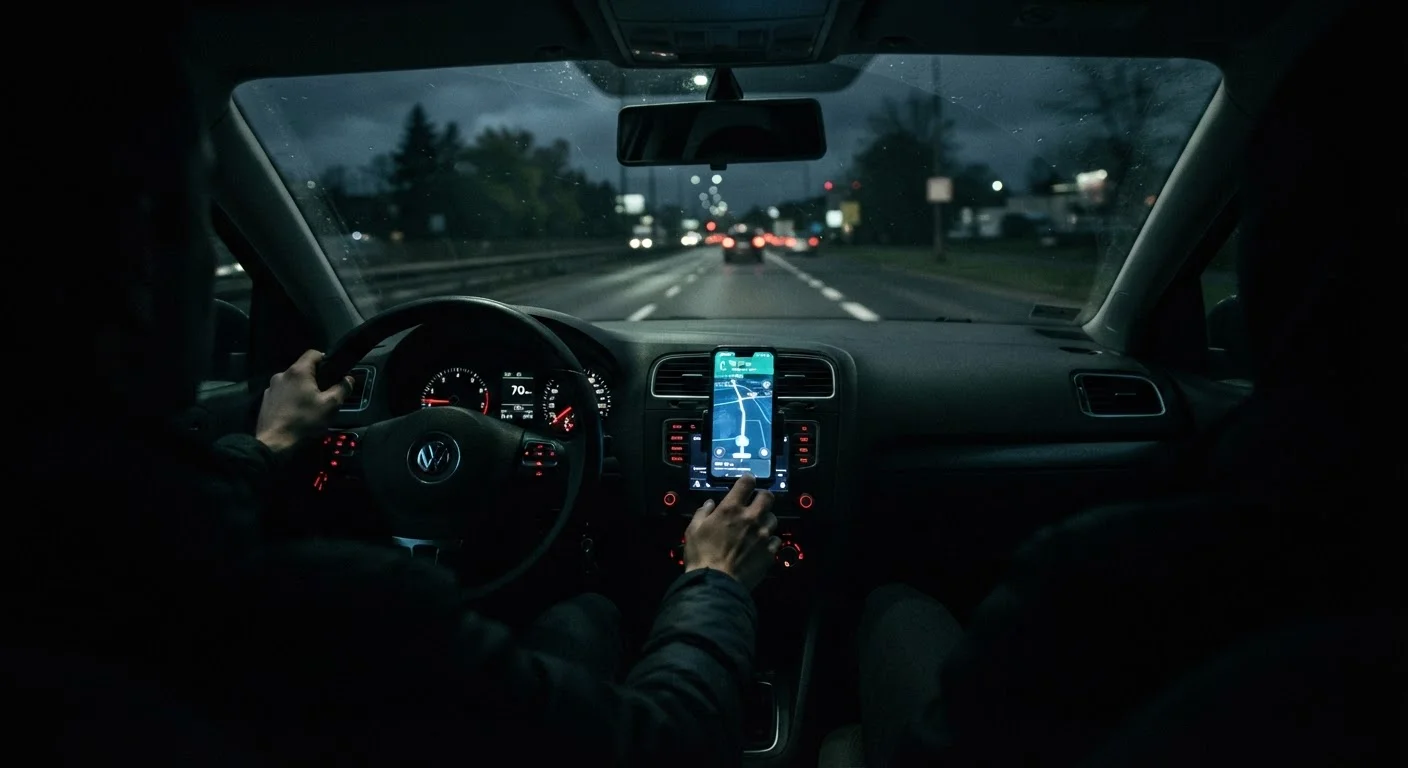
Photo: Online-Searches.net | Explore Insightful Blogs editorial
Key Takeaways
- Hands-free calling still causes significant cognitive distraction — it is not risk-free.
- Multitasking while driving is a neurological myth; the brain switches rapidly between tasks, not simultaneously.
- Texting at highway speed means driving the length of a football field effectively blind.
- Distraction risk extends beyond phones to eating, passengers, and in-vehicle infotainment systems.
- Brief glances away from the road — even under two seconds — meaningfully increase crash risk.
Why Common Beliefs About Distraction Don't Hold Up
Most drivers know distracted driving is dangerous — yet a significant portion still engage in it regularly. The gap between knowing and doing is partly explained by widespread misconceptions about how distraction actually works. Drivers routinely underestimate the cognitive cost of divided attention, overestimate their own skill, or draw false comfort from partial measures like switching to a hands-free device.
Understanding what the evidence actually shows is the first step toward building habits that genuinely reduce risk. The myths below aren't obscure edge cases — they're beliefs held by millions of everyday drivers, sometimes confidently. Correcting them isn't about blame; it's about equipping drivers with an accurate picture of how their attention functions behind the wheel.
Myth
Using a hands-free device while driving is essentially safe because my hands stay on the wheel.
Fact
Hands-free calls still create significant cognitive distraction, reducing a driver's ability to detect and respond to hazards.
The danger in phone use while driving isn't only physical — it's mental. When you hold a phone conversation, your brain diverts attention to constructing and processing language, meaning your visual processing narrows dramatically even while your eyes remain open. Traffic safety researchers call this inattention blindness: your eyes point at the road, but your brain isn't fully registering what's there. Studies have found that this cognitive load can cause drivers to miss traffic signals, pedestrians, and other vehicles. A hands-free mount solves one part of the problem — physical distraction — but leaves the more dangerous cognitive distraction largely intact.
Myth
I'm a good multitasker, so I can handle texting or adjusting my GPS without losing focus on the road.
Fact
The human brain does not truly multitask; it rapidly shifts attention between tasks, leaving gaps in road awareness each time it switches.
Neuroscience is clear: what people experience as multitasking is actually rapid task-switching. Each switch introduces a brief but real lag in cognitive processing, and when one of those tasks is operating a two-ton vehicle, even small gaps matter enormously. Drivers who believe they are exceptional multitaskers tend to be the ones who most overestimate their ability — a pattern documented in peer-reviewed cognitive research. The confident feeling of doing two things at once is largely an illusion, and on the road, that illusion carries serious consequences.
Myth
Texting at a red light is fine — the car isn't moving, so there's no real risk.
Fact
Glancing at your phone at a red light extends reaction time when traffic moves and can cause rear-end collisions or missed signals.
Red-light texting is a common habit that feels safe because the vehicle is stopped. But the problem is what happens next: attention doesn't snap back instantly when the light changes. Studies on reaction-time recovery suggest that even after putting a phone down, a driver's full attention doesn't return for several seconds. During that window, the vehicle may roll forward unexpectedly, a pedestrian may step into the crosswalk, or the driver may miss a light change entirely — creating rear-end collision risk from vehicles behind. Additionally, engaging with a device at a light normalizes the behavior, making it more likely to continue while moving.
Myth
Distracted driving is mainly a young person's problem — experienced drivers handle it better.
Fact
Distraction impairs drivers across all age groups; experience does not meaningfully offset the cognitive costs of divided attention.
While younger, less-experienced drivers do show higher crash rates tied to phone use, research shows that distraction affects neurological processing in drivers of all ages. Experience builds better hazard-anticipation skills, but it doesn't exempt the brain from the limits of attention. Older drivers may even face compounded risk, as age-related changes in processing speed can make it harder to recover quickly from attentional lapses. Every driver — regardless of years behind the wheel — experiences degraded situational awareness when attention is split.
Myth
A quick two-second glance at my phone doesn't really matter at normal city speeds.
Fact
At 55 mph, two seconds of inattention means traveling roughly 160 feet — more than half a football field — without processing the road.
Distance math is one of the most powerful ways to understand distraction risk. At 55 mph, a vehicle covers approximately 80 feet per second. A two-second glance at a phone means about 160 feet traveled without meaningful road awareness. At 30 mph in a city setting, that's still around 88 feet — enough distance to close the gap on a stopping vehicle or miss a child stepping off a curb. There is no speed at which a two-second eyes-off interval is inconsequential, particularly in dynamic traffic environments.
For a broader look at how awareness and habit connect to safer driving, see our guide to defensive versus aggressive driving — many of the same cognitive principles apply.
Building Habits That Reflect What the Research Shows
~9
People killed daily in distraction-related crashes in the U.S.
According to the National Highway Traffic Safety Administration (NHTSA), distraction-related crashes claimed approximately 3,300 lives in a recent reporting year.
50%
Of visual environment missed during hands-free calls
Traffic safety research, including work cited by the National Safety Council, suggests drivers using hands-free devices can fail to process up to half of the information in their visual field.
~160 ft
Traveled blind during a 2-second phone glance at 55 mph
Basic physics: at 55 mph a vehicle covers roughly 80 feet per second, meaning any 2-second distraction leaves approximately 160 feet of road effectively unmonitored.
Correcting a myth is useful; changing behavior is the goal. Research consistently shows that the most effective countermeasure against phone-related distraction is removing the temptation entirely before a trip begins. That means silencing notifications, enabling a driving mode if your phone supports one, and placing the device out of reach — not just face-down on the passenger seat.
Distraction isn't limited to phones. Eating while driving, complex conversations with passengers, and interacting with in-vehicle infotainment screens all introduce meaningful attentional costs. Traffic safety researchers generally recommend treating any non-driving task as something to complete before departure or after parking. Just as following distance reflects your real risk tolerance, the habits you maintain around in-car distractions signal how seriously you take that risk.
Distraction and fatigue often compound each other — if you're concerned about staying alert on longer trips, our piece on the warning signs of driving fatigue covers that territory in depth.
Infotainment Screens Carry Real Distraction Risk Too
The content provided on our blog site traverses numerous categories, offering readers valuable and practical information. Readers can use the editorial team’s research and data to gain more insights into their topics of interest. However, they are requested not to treat the articles as conclusive. The website team cannot be held responsible for differences in data or inaccuracies found across other platforms. Please also note that the site might also miss out on various schemes and offers available that the readers may find more beneficial than the ones we cover.