
Eating Out Without Abandoning Your Dietary Approach

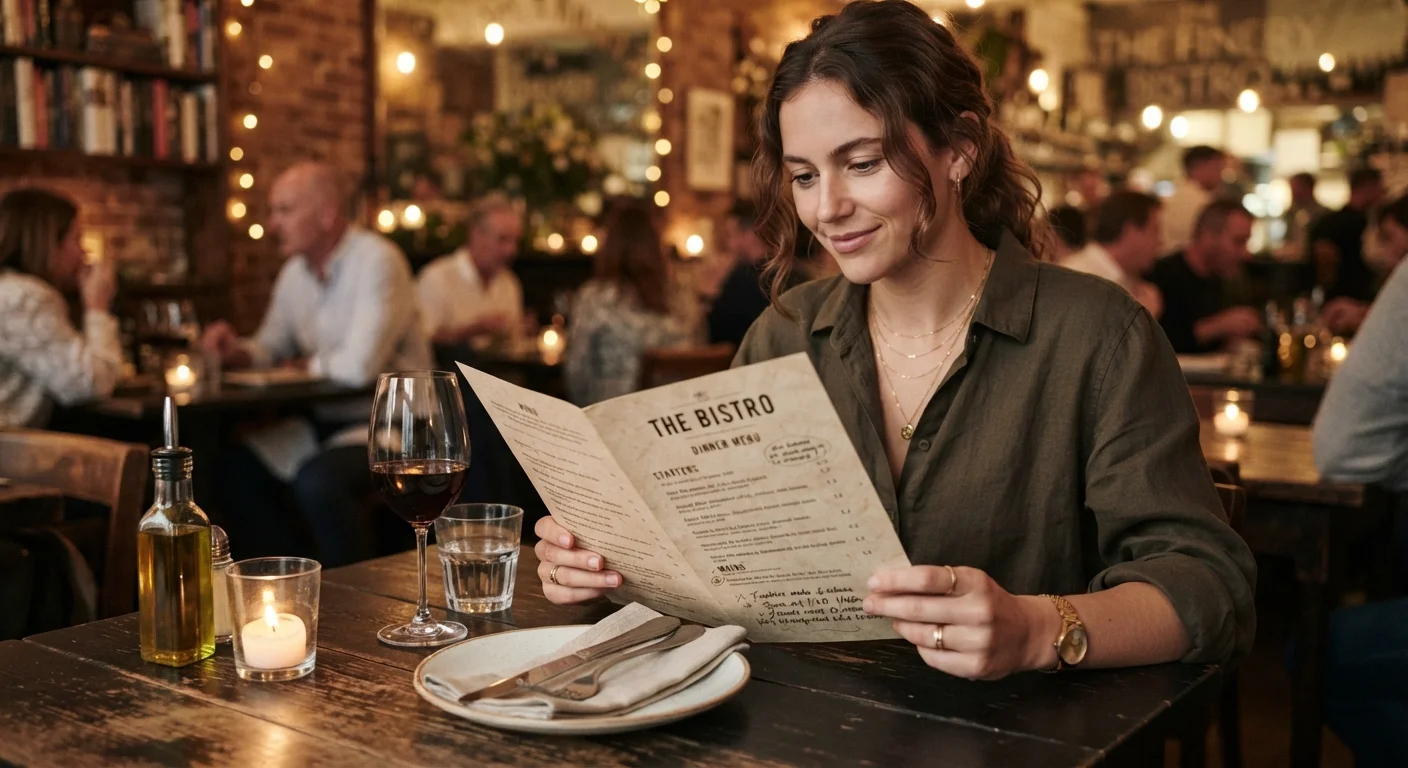
Photo: Online-Searches.net | Explore Insightful Blogs editorial
Key Takeaways
- Reviewing a restaurant menu online before you arrive removes most in-the-moment guesswork.
- Simple, specific substitution requests are almost always honored at sit-down restaurants.
- Knowing your non-negotiables separates genuine dietary needs from flexible preferences.
- Social dining pressure is manageable — you don't owe explanations to fellow diners.
- One less-than-ideal meal does not undermine a consistently healthy dietary pattern.
Why Restaurants Feel Like the Hardest Part
For many people following a structured eating approach — whether low-FODMAP, gluten-free, Mediterranean, or anything in between — restaurants represent the single biggest friction point. Menus are designed for flexibility and flavor, not dietary transparency. Sauces contain hidden ingredients, "grilled" sometimes means butter-basted, and servers don't always know what's actually in the kitchen.
The result is anxiety that can make dining out feel like a test you're destined to fail. But restaurants don't have to be adversarial. Most stumbles happen not from bad luck but from avoidable gaps in preparation. Understanding why dietary approaches often fall apart can help you recognize when restaurant situations are genuinely risky versus when you're being unnecessarily rigid.
Best Practices for Dining Out on Any Special Diet
These habits apply broadly regardless of the specific eating approach you follow. Adapt them to your situation rather than treating them as rigid rules.
Look up the menu before you leave home
Distinguish your non-negotiables from your preferences
Make direct, specific substitution requests
Use protein and vegetables as your anchor
Reframe social pressure as neutral rather than adversarial
Treat one imperfect meal as data, not failure
Start With a Quick-Win Mindset
You don't need a perfect restaurant experience to maintain a sound dietary pattern. Progress matters more than precision on any given night. Core healthy eating principles reinforce that consistency over time — not any single meal — is what shapes long-term outcomes.
If you're also navigating household dynamics where others don't share your approach, the strategies for making a special diet stick at home translate naturally to the restaurant table as well.
This article provides general nutrition information and education. It is not medical or clinical dietary advice. If you follow a medically prescribed diet — for conditions such as celiac disease, kidney disease, or food allergies — consult your healthcare provider or registered dietitian for personalized guidance specific to your situation.
The content provided on our blog site traverses numerous categories, offering readers valuable and practical information. Readers can use the editorial team’s research and data to gain more insights into their topics of interest. However, they are requested not to treat the articles as conclusive. The website team cannot be held responsible for differences in data or inaccuracies found across other platforms. Please also note that the site might also miss out on various schemes and offers available that the readers may find more beneficial than the ones we cover.