
Seated and Low-Impact Exercise: Moving More When Your Body Has Limits

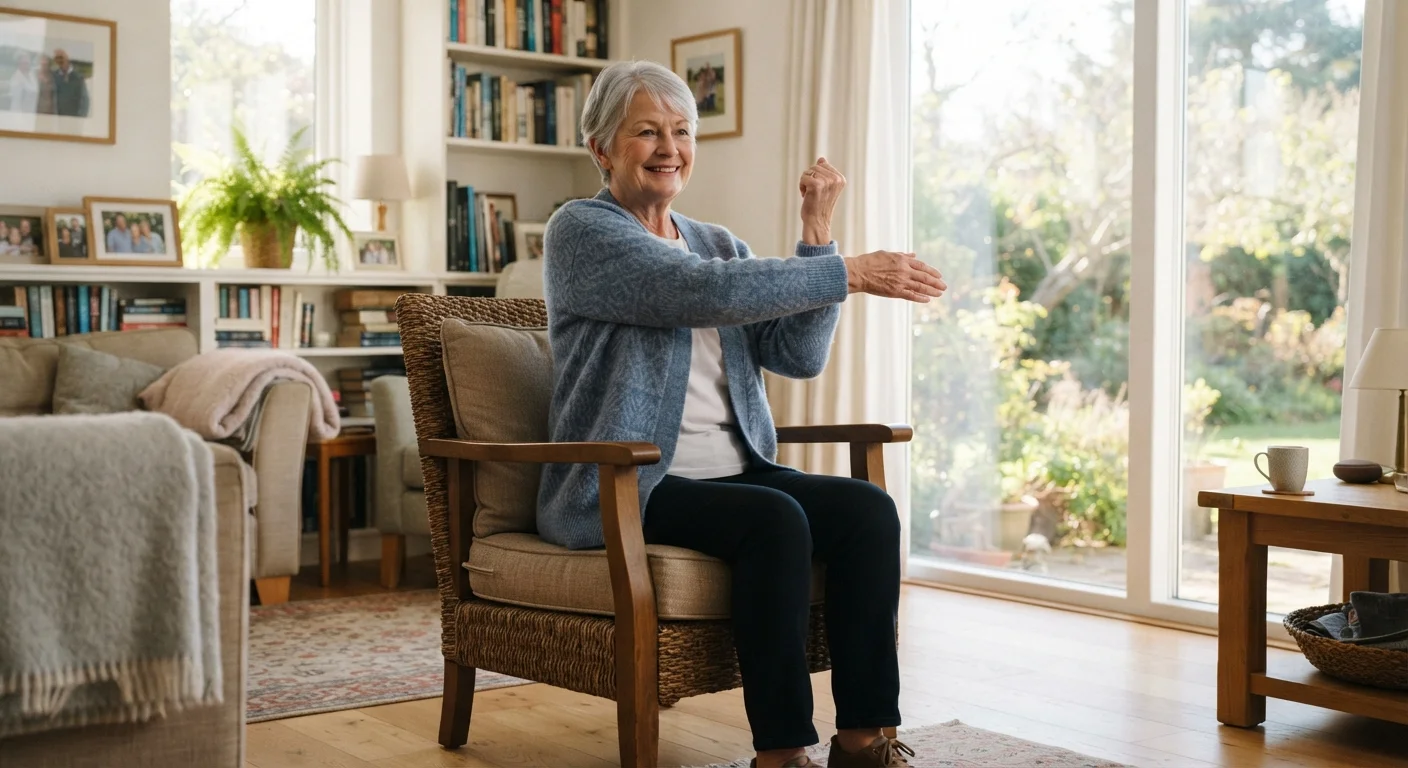
Photo: Online-Searches.net | Explore Insightful Blogs editorial
Key Takeaways
- Seated and low-impact exercise can meaningfully improve strength, circulation, and mental well-being.
- Physical limitations don't eliminate movement options — they redirect them toward safer, smarter approaches.
- Consistency with accessible movement matters more than intensity for long-term health benefits.
- Always consult a qualified healthcare professional before starting a new exercise routine with a medical condition.
- Small, sustainable movement habits can reduce the risk of quitting and support lasting progress.
Movement Is Not One-Size-Fits-All
Chronic pain, injury, joint conditions, neurological differences, post-surgical recovery, and advancing age can all make conventional exercise feel inaccessible — or even dangerous. Yet most mainstream fitness messaging assumes a body that can lunge, jump, and sprint without consequence. That disconnect leaves millions of Americans without a clear path forward.
The reality is that movement exists on a wide spectrum. Seated strength work, water-based activity, gentle range-of-motion routines, and breath-focused practices all count. Research consistently shows that even modest increases in physical activity — well below traditional intensity thresholds — produce measurable improvements in cardiovascular health, mood, muscle function, and quality of life.
If you're navigating physical constraints, exercising with a chronic condition requires a thoughtful, personalized approach — and that always starts with guidance from your physician or a qualified physical therapist. What follows is a general educational overview of accessible movement options, not a personal exercise prescription.
Seated Strength Training
A chair is a legitimate piece of exercise equipment. Seated resistance exercises — using light dumbbells, resistance bands, or simply body weight — can target the arms, shoulders, core, and even the legs. Seated rows with a resistance band, overhead presses, and seated leg extensions are examples used in physical therapy and adaptive fitness settings.
Because the chair provides support and reduces spinal load, this approach is often appropriate for people with balance issues, lower-body injuries, or conditions affecting standing tolerance. A physical therapist can help identify which movements are safe and effective for your specific situation.
A chair is a legitimate piece of exercise equipment — not a compromise.
Water-Based Exercise
Aquatic exercise — including water walking, pool aerobics, and swimming — dramatically reduces impact on joints while still providing meaningful resistance. The buoyancy of water supports body weight, reducing stress on the hips, knees, and spine, while the water's resistance challenges muscles throughout the movement.
Research supports aquatic exercise as a beneficial option for people with osteoarthritis, fibromyalgia, and other musculoskeletal conditions. Many community recreation centers and YMCAs offer warm-water pool programs specifically designed for older adults and those with limited mobility. Check with your healthcare provider about whether this option suits your condition.
Water supports your body weight while still providing meaningful muscular resistance.
Seated or Chair Yoga
Traditional yoga postures can be adapted for a seated position, making the practice accessible to people who cannot comfortably get up and down from the floor. Chair yoga emphasizes breath awareness, gentle stretching, and mindful movement — all of which support flexibility, stress reduction, and body awareness.
Evidence suggests yoga-based interventions can help manage chronic pain and improve psychological well-being, though individual responses vary. Look for instructors trained in adaptive or therapeutic yoga, and let them know about any physical constraints before class begins.
Chair yoga brings breath, stretch, and mindfulness within reach — no floor required.
Gentle Walking With Modification
Walking remains one of the most studied and accessible forms of physical activity — and it doesn't have to look like a brisk outdoor stride. Shorter distances, slower pace, mobility aids, level terrain, and indoor environments (such as shopping malls or hallways) are all valid adaptations. Even brief, frequent walking intervals spaced throughout the day can provide cumulative benefit.
If walking is painful or unsafe without support, a physical therapist can evaluate your gait and recommend appropriate assistive devices or footwear. Walking vs. running is a comparison that only matters if both are viable — for many people, adapted walking is simply the right fit.
Short, frequent walks on level ground can accumulate real health benefits over time.
Breathwork and Diaphragmatic Training
Deliberate breathing practice — specifically diaphragmatic or "belly" breathing — is an often-overlooked form of physical training. It strengthens the respiratory muscles, activates the parasympathetic nervous system (the body's rest-and-recovery mode), and can improve core stability over time. For people with very limited mobility, it may be one of the most accessible entry points into structured movement.
Breathing exercises are used in pulmonary rehabilitation, pain management programs, and stress-reduction interventions. They require no equipment, no floor space, and no standing — making them genuinely available to nearly everyone.
Diaphragmatic breathing builds respiratory muscle strength and can activate the body's recovery response.
Recumbent Cycling
Recumbent bikes — where the rider sits in a reclined, supported position with legs extended forward — provide cardiovascular exercise with significantly less strain on the lower back, hips, and joints compared to upright cycling. They are commonly found in rehabilitation clinics and community fitness centers.
Because pedaling can be done at very low resistance and slow pace, recumbent cycling is adaptable to a wide range of fitness levels and conditions. Some models also allow arm-powered cycling for people with lower-body limitations. As with any equipment, getting instruction on proper setup and form before use is worthwhile.
Recumbent bikes offer cardiovascular exercise in a supported, low-strain position.
Tai Chi and Qigong
Tai chi and qigong are slow, flowing movement practices rooted in traditional Chinese medicine that have been studied extensively in Western research contexts. Evidence suggests they may improve balance, reduce fall risk in older adults, and support well-being in people with various chronic conditions — though findings vary by population and practice style.
Many forms can be adapted for seated participants. Classes designed specifically for seniors or people with balance concerns are widely available through community centers, senior centers, and online platforms. These practices sit at the intersection of mobility training and flexibility work — making them a useful complement to other accessible movement.
Tai chi's slow, deliberate movements may meaningfully reduce fall risk in older adults.
Building a Sustainable Habit Around Your Reality
Perhaps the greatest obstacle to accessible exercise isn't finding the right movement — it's staying consistent once you've started. Most people abandon fitness routines for predictable, avoidable reasons: unrealistic expectations, discomfort they weren't prepared for, or routines that don't fit their actual life. For people with physical limitations, those barriers carry extra weight.
The key is anchoring movement to what your body can do today — not what it once could do or what a fitness magazine suggests it should. Celebrate incremental progress. Consider working with a physical therapist or certified adaptive fitness professional who can design a program specifically around your condition and goals.
Start Smaller Than You Think You Should
For those exploring the relationship between movement and physical capacity, understanding the difference between mobility and flexibility can shift how you approach warm-ups, recovery, and daily movement — regardless of your starting point.
This article is for general informational and educational purposes only and does not constitute medical advice. Always consult a qualified healthcare professional before beginning any new exercise program, particularly if you have an existing medical condition, recent injury, or surgery.
The content provided on our blog site traverses numerous categories, offering readers valuable and practical information. Readers can use the editorial team’s research and data to gain more insights into their topics of interest. However, they are requested not to treat the articles as conclusive. The website team cannot be held responsible for differences in data or inaccuracies found across other platforms. Please also note that the site might also miss out on various schemes and offers available that the readers may find more beneficial than the ones we cover.