
The Real Difference Between Mobility and Flexibility

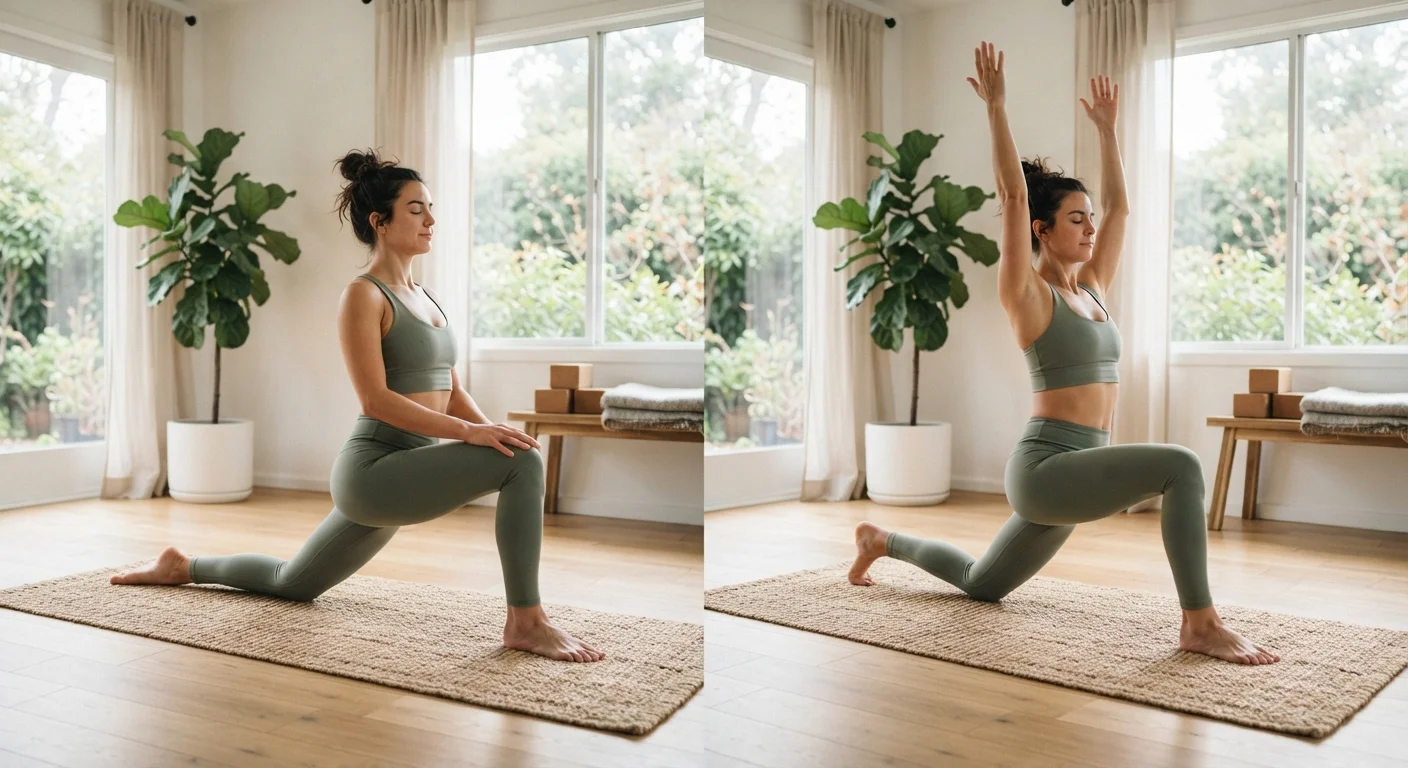
Photo: Online-Searches.net | Explore Insightful Blogs editorial
Key Takeaways
- Flexibility is about muscle length; mobility is about joint control through a full range of motion.
- You can have good flexibility but poor mobility if you lack the strength to control that range.
- Most people benefit from training both — but the right balance depends on your goals and movement patterns.
- Dynamic warm-ups build mobility; static stretching is better suited to cool-downs and recovery.
- Poor mobility — not just tight muscles — is a common driver of everyday aches and movement limitations.
- Consulting a physical therapist or qualified movement professional is the most reliable way to assess your individual needs.
Why the Distinction Actually Matters
These two words get swapped constantly — in gym classes, wellness articles, and everyday conversation. But treating them as synonyms can quietly undermine the way you train, warm up, and recover from physical activity.
Here's the core idea: flexibility is a property of muscle tissue — specifically, how much it can be lengthened when an external force is applied (like gravity, a strap, or another person). Mobility is a property of joints — how much range of motion you can actively produce and control using your own muscles.
Think of it this way: a person who can touch their toes while seated — because gravity is helping — may have decent hamstring flexibility. But if they can't actively lift their leg to the same height while standing, they may have limited hip mobility. The tissue length is there; the active control is not.
This distinction matters because injury risk, movement quality, and exercise performance are more closely tied to mobility than to passive flexibility alone. Being very stretchy without the muscular control to support that range can actually increase instability around a joint.
These Qualities Exist on a Spectrum
How Each One Is Trained
Flexibility and mobility respond to different types of training stimuli, which is why lumping them together leads to incomplete routines.
Training Flexibility
Flexibility improves primarily through static stretching — holding a stretch for 20–60 seconds, typically after exercise when muscles are warm. This approach targets muscle length and connective tissue extensibility. Static stretching before exercise, when muscles are cold, has less clear benefit and some research suggests it may temporarily reduce power output.
Training Mobility
Mobility develops through active movement drills — exercises that ask your muscles to work through full ranges of motion. Examples include controlled leg swings, deep bodyweight squats, shoulder circles with intentional loading, and hip 90/90 rotations. These movements build strength at end ranges, which is where most joint vulnerability exists.
A practical rule of thumb used in many movement-focused fitness settings: dynamic warm-ups (mobility drills) before activity, static stretching after. This isn't a rigid prescription — it's a general framework that reflects how each type of training interacts with muscle readiness.
Dynamic Before, Static After
Real-World Consequences of Neglecting Either
Both deficits show up in recognizable ways in daily life and exercise. Understanding which one you're dealing with helps you address the actual problem — rather than stretching more and wondering why nothing changes.
If flexibility is lacking: muscles may feel chronically tight, certain positions feel uncomfortable, and recovery from exercise takes longer. This is common in people who sit for long periods and don't actively lengthen their hip flexors, chest, or thoracic spine.
If mobility is limited: movements like overhead reaching, deep bending, or rotating the torso may feel effortful or unstable. Lower back pain, knee discomfort during stairs, and shoulder impingement are sometimes connected to joint mobility deficits rather than tissue tightness alone.
This is also why some people who stretch religiously still deal with recurring tightness or discomfort — the root issue may be a lack of active control, not passive length.
For people navigating physical limitations, low-impact and seated movement options can provide an accessible entry point for building both qualities without aggravating existing conditions.
The concept also parallels how the same word can mean very different things depending on context — similar to how mindfulness and meditation are often conflated despite serving distinct purposes.
~80%
Adults who will experience low back pain
According to the National Institute of Neurological Disorders and Stroke, roughly 80% of adults experience low back pain at some point — a condition frequently linked to mobility and movement deficits.
30 sec
Minimum effective static stretch duration
Research published in physical therapy literature generally supports holding static stretches for at least 30 seconds to achieve meaningful flexibility improvements in healthy adults.
A Practical Starting Point
You don't need a gym membership or specialized equipment to begin improving both. Most mobility and flexibility work requires only a floor, a small amount of space, and consistency.
- Assess before you assume: Notice where your movement feels restricted — is it a stretching sensation (likely flexibility) or a sense of instability or weakness at end range (likely mobility)?
- Warm up actively: Replace static pre-workout stretching with gentle, dynamic movements that take your joints through their range — leg swings, arm circles, slow deep squats.
- End sessions with static holds: After activity, hold gentle stretches in areas of tightness for 30–60 seconds to support flexibility gains.
- Add strength-through-range work: Exercises like deep squats, Romanian deadlifts, and overhead reaches with light resistance build the active control that defines true mobility.
If you have a specific condition, chronic pain, or significant movement restrictions, working with a physical therapist or credentialed movement specialist will give you a far more targeted plan than any general article can provide.
This article is for general informational purposes only and is not a substitute for professional medical or fitness advice. Always consult a qualified healthcare provider before starting a new exercise program, especially if you have an existing health condition or injury.
Frequently Asked Questions
The content provided on our blog site traverses numerous categories, offering readers valuable and practical information. Readers can use the editorial team’s research and data to gain more insights into their topics of interest. However, they are requested not to treat the articles as conclusive. The website team cannot be held responsible for differences in data or inaccuracies found across other platforms. Please also note that the site might also miss out on various schemes and offers available that the readers may find more beneficial than the ones we cover.