
Micronutrients: The Vitamins and Minerals Your Body Can't Work Without

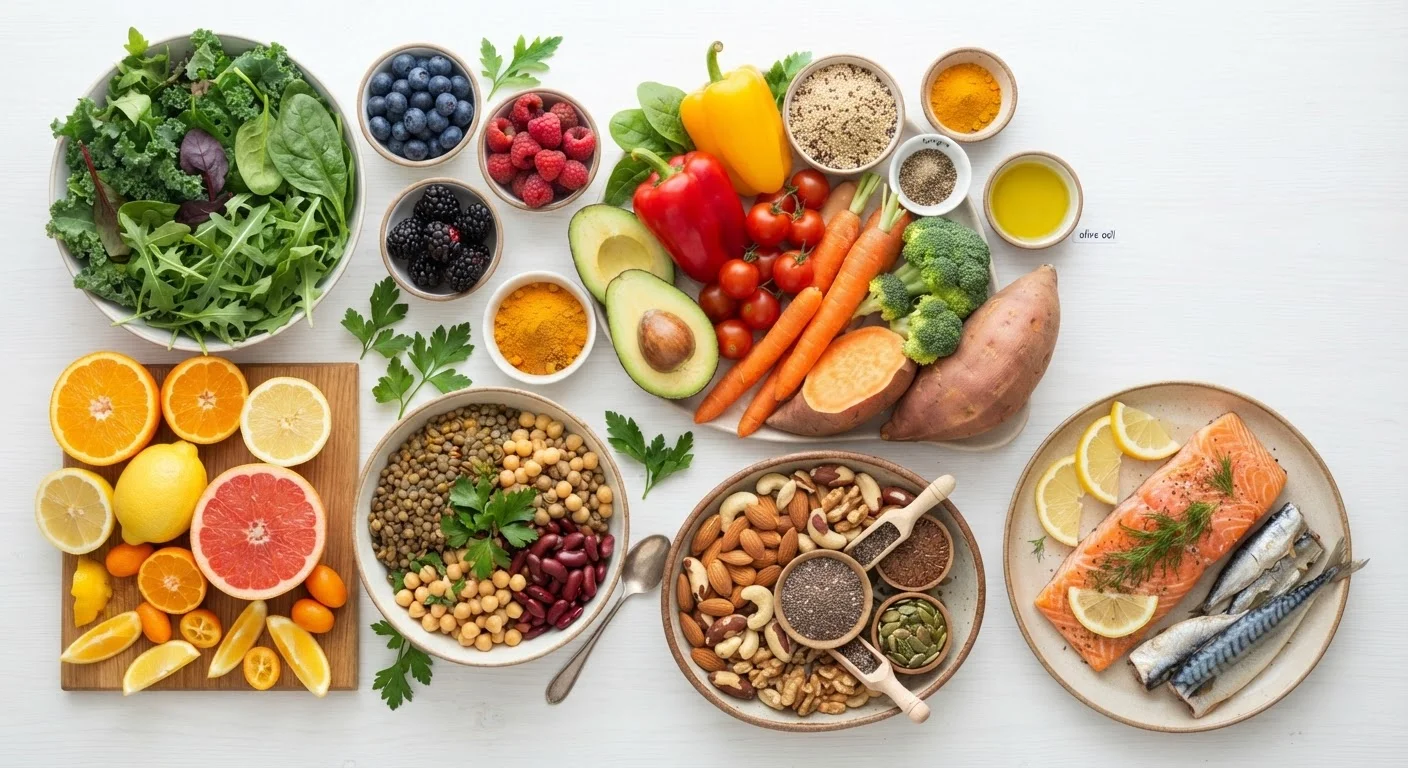
Photo: Online-Searches.net | Explore Insightful Blogs editorial
What Are Micronutrients — and Why Do They Matter?
While macronutrients like carbs, protein, and fat provide the calories your body uses for energy, micronutrients — vitamins and minerals — are the compounds that make virtually every biological process actually work. Your body needs them in relatively small amounts, but even modest shortfalls can quietly undermine energy levels, immune function, bone strength, and more.
Unlike macronutrients, most micronutrients cannot be synthesized by the body in meaningful quantities — they must come from food. That's why dietary variety isn't just a wellness platitude; it's the practical mechanism through which you cover your micronutrient bases.
This article is a plain-language reference — not a supplement guide or a meal prescription. If you have concerns about specific deficiencies or health conditions, a registered dietitian or physician can help you assess your individual needs.
Key Vitamins: What They Do and Where to Find Them
Vitamins fall into two broad categories: fat-soluble (A, D, E, and K), which are stored in body fat and the liver, and water-soluble (vitamin C and the eight B vitamins), which the body uses and excretes more readily, making regular intake important.
Fat-Soluble Vitamins
- Vitamin A — Supports vision, immune defense, and skin integrity. Found in liver, dairy, eggs, and as provitamin A (beta-carotene) in orange and dark-green vegetables.
- Vitamin D — Critical for calcium absorption and bone health; also plays roles in immune regulation. Synthesized through sun exposure and found in fatty fish, fortified dairy, and egg yolks. Deficiency is among the most common in the U.S.
- Vitamin E — An antioxidant that protects cell membranes. Nuts, seeds, and vegetable oils are primary sources.
- Vitamin K — Essential for blood clotting and bone metabolism. Leafy greens (especially kale and spinach) are the richest sources.
Water-Soluble Vitamins
- Vitamin C — Supports collagen synthesis, wound healing, and immune function; also enhances iron absorption from plant foods. Citrus, bell peppers, and broccoli are excellent sources.
- B vitamins (B1, B2, B3, B5, B6, B7, B9, B12) — Collectively central to energy metabolism, red blood cell formation, and nervous system health. Whole grains, legumes, meat, dairy, and leafy greens cover most. Vitamin B12 deserves special attention for those following plant-based diets, as it occurs almost exclusively in animal products.
- Folate (B9) — Especially critical during early pregnancy for neural tube development. Beans, lentils, and fortified grains are key sources.
Micronutrient
Vitamins and minerals required by the body in small amounts to support normal physiological functions. Unlike macronutrients, they provide no calories but are essential for health.
Fat-soluble vitamin
Vitamins A, D, E, and K, which dissolve in fat and are stored in body tissue. Because they accumulate, excessive intake — particularly through supplements — can reach toxic levels.
Water-soluble vitamin
Vitamin C and the eight B vitamins, which dissolve in water and are not significantly stored in the body. Regular dietary intake is important to maintain adequate levels.
Trace mineral
Minerals the body needs in very small amounts — such as iron, zinc, iodine, and selenium — but that are still essential to key biological processes including immune function and thyroid health.
Bioavailability
The proportion of a nutrient that the body actually absorbs and uses from food or a supplement. It varies by the form of the nutrient, the food it comes from, and factors like what else you eat at the same meal.
Heme iron
A form of iron found in animal products such as red meat and poultry that is more readily absorbed by the body compared to non-heme iron from plant sources.
Essential Minerals: Small Amounts, Major Consequences
Minerals are inorganic elements — they come from soil and water, entering the food supply through plants and animals. They're broadly categorized as macrominerals (needed in larger amounts, such as calcium and magnesium) and trace minerals (needed in smaller quantities, such as iron and zinc).
Macrominerals
- Calcium — Best known for bone and tooth strength, but also vital for muscle contraction and nerve signaling. Dairy products, fortified plant milks, and leafy greens provide it.
- Magnesium — Involved in over 300 enzymatic reactions, including energy production, muscle function, and blood sugar regulation. Nuts, seeds, legumes, and whole grains are solid sources.
- Potassium — Helps regulate blood pressure, fluid balance, and heart rhythm. Bananas, potatoes, beans, and leafy greens are among the richest dietary sources.
Trace Minerals
- Iron — Carries oxygen in red blood cells. Found as heme iron (more absorbable) in red meat and poultry, and as non-heme iron in legumes and spinach. Pairing plant iron sources with vitamin C improves absorption.
- Zinc — Supports immune function, wound healing, and protein synthesis. Meat, shellfish (especially oysters), legumes, and seeds are good sources.
- Iodine — Required for thyroid hormone production, which governs metabolism. Iodized salt and seafood are primary sources in the U.S.
- Selenium — Plays a role in antioxidant defense and thyroid function. Brazil nuts are exceptionally rich; eggs and seafood also contribute.
For a broader look at how these nutrients fit into a complete eating pattern, see our foundation guide to everyday nutrition.
Deficiency, Excess, and Getting It Right Through Food
Micronutrient deficiencies rarely announce themselves dramatically at first. Fatigue, slow wound healing, brittle nails, or frequent illness can all signal gaps — but these symptoms overlap with many other conditions, which is why self-diagnosis is unreliable. A blood panel ordered by a healthcare provider is the appropriate way to identify true deficiencies.
It's also worth noting that more is not always better. Fat-soluble vitamins (A, D, E, K) accumulate in the body and can reach harmful levels through excessive supplementation. Minerals like iron and selenium also carry toxicity risk at high doses. Supplements can be appropriate — particularly for vitamin D, B12, folate during pregnancy, and iron in certain populations — but their use is best guided by a qualified professional rather than general recommendations.
The most practical and evidence-supported approach for most healthy adults is prioritizing dietary variety: a wide range of vegetables, fruits, whole grains, legumes, lean proteins, and dairy or fortified alternatives will naturally cover the spectrum of essential micronutrients without requiring calorie-by-calorie tracking or supplement dependency. To understand how nutrition language and terminology works in practice, the nutrition glossary is a useful companion reference.
This article is for general informational purposes only and does not constitute medical or dietary advice. Always consult a qualified healthcare professional or registered dietitian for guidance specific to your health needs.
The content provided on our blog site traverses numerous categories, offering readers valuable and practical information. Readers can use the editorial team’s research and data to gain more insights into their topics of interest. However, they are requested not to treat the articles as conclusive. The website team cannot be held responsible for differences in data or inaccuracies found across other platforms. Please also note that the site might also miss out on various schemes and offers available that the readers may find more beneficial than the ones we cover.