
Macronutrients Explained: Carbs, Protein, and Fat in Plain English

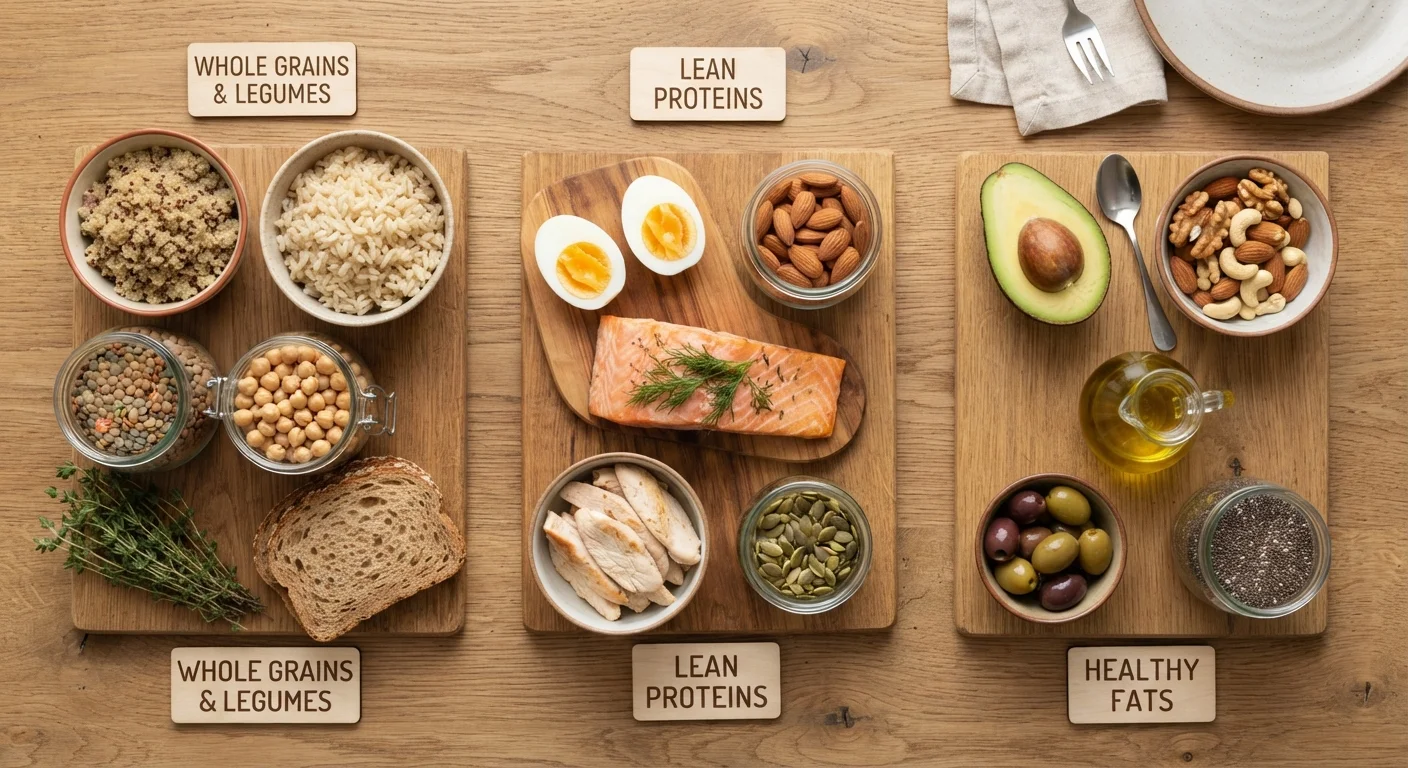
Photo: Online-Searches.net | Explore Insightful Blogs editorial
Key Takeaways
- All three macronutrients — carbs, protein, and fat — serve essential functions your body cannot skip.
- Carbohydrates are your body's preferred and most efficient energy source, especially for the brain.
- Protein provides amino acids used to build and repair tissues, enzymes, and immune cells.
- Dietary fat supports hormone production, fat-soluble vitamin absorption, and cell membrane structure.
- Eliminating any one macronutrient entirely tends to create nutritional gaps without a clear long-term benefit.
- Food quality within each macronutrient category matters as much as the amounts you eat.
Carbohydrates: Your Body's First Choice for Fuel
When you eat carbohydrates — whether from oatmeal, lentils, fruit, or bread — your digestive system breaks them down into glucose. That glucose circulates in the bloodstream and powers cells throughout the body, with the brain being particularly dependent on a steady supply.
Carbohydrates are not created equal. Complex carbohydrates, found in whole grains, beans, and vegetables, digest slowly and carry fiber, vitamins, and minerals along for the ride. Simple carbohydrates — refined sugars and white flour products — digest quickly and deliver energy with little nutritional accompaniment. Both raise blood glucose, but the pace and nutritional package differ significantly.
Fiber, technically a carbohydrate that humans cannot fully digest, deserves specific mention. It feeds beneficial gut bacteria, slows glucose absorption, and contributes to satiety. Most Americans fall short of recommended fiber intake, which makes the source of carbohydrates — not just the amount — an important everyday consideration.
Build Meals Around All Three Macronutrients
For a deeper look at how all three macronutrients interact inside the body, see what carbs, protein, and fat actually do in your body.
Protein: The Body's Builder and Repair Crew
Protein is assembled from chains of amino acids, and your body uses those amino acids to build muscle tissue, enzymes, hormones, and immune cells. Nine of the twenty amino acids humans need are classified as essential — meaning the body cannot manufacture them, so they must come from food.
Animal proteins (meat, poultry, fish, eggs, dairy) contain all nine essential amino acids in useful proportions, making them complete proteins. Most plant proteins are lower in one or more essential amino acids, but eating a variety of plant foods across the day — legumes, whole grains, nuts, seeds — readily covers those gaps without meticulous planning.
Protein also contributes to satiety. It digests more slowly than refined carbohydrates and triggers hormonal signals that reduce hunger, which is one reason higher-protein meals tend to keep people fuller longer.
90%
Americans falling short on dietary fiber
According to the Dietary Guidelines for Americans, roughly 90% of Americans do not meet recommended fiber intake, making fiber one of the most common nutritional shortfalls in the U.S. diet.
4 kcal/g
Energy per gram from carbohydrates and protein
Both carbohydrates and protein yield approximately 4 kilocalories per gram, a standard reference value established by nutritional science and reflected on all U.S. nutrition labels.
9 kcal/g
Energy per gram from dietary fat
Dietary fat is more than twice as calorie-dense as carbohydrates or protein, which helps explain why small portions of fat-rich foods contribute substantially to total daily energy intake.
Questions about protein portions, timing, and food sources are common. Protein timing, portions, and sources walks through what the evidence actually says.
Dietary Fat: Misunderstood and Necessary
Fat spent decades as the nutritional villain, but the science has since grown considerably more nuanced. Dietary fat serves functions no other macronutrient can replicate: it enables the absorption of fat-soluble vitamins (A, D, E, and K), provides structural material for every cell membrane in the body, supports the production of steroid hormones, and cushions vital organs.
Fat type matters more than fat quantity for most health outcomes. Unsaturated fats — found in olive oil, avocados, fatty fish, nuts, and seeds — are consistently associated with favorable markers for cardiovascular and metabolic health. Saturated fats, more prevalent in red meat and full-fat dairy, are a nuanced area; current research suggests moderate intake is unlikely to be harmful for most people in the context of an otherwise varied diet. Trans fats, largely removed from the U.S. food supply following regulatory action, have the clearest negative association with heart disease risk.
Because fat is calorie-dense, portions matter — but the goal is choosing quality fat sources rather than eliminating fat altogether. Very low-fat diets often replace fat with refined carbohydrates, which does not reliably improve health outcomes.
Why Balance Matters More Than Elimination
Popular diets frequently target one macronutrient for elimination. Very low-fat diets dominated the 1980s and 1990s; very low-carbohydrate diets have been prominent since. Neither approach has proven universally superior for long-term health, and both carry trade-offs when taken to extremes.
When carbohydrates are severely restricted, fiber intake often drops and the body shifts to burning fat for fuel — a functional adaptation, but one that may not suit everyone, particularly those with certain metabolic conditions. When fat is dramatically reduced, fat-soluble vitamin absorption suffers and hormonal balance can be affected. When protein is too low, muscle maintenance and immune function may be compromised.
A practical frame: most people benefit from emphasizing quality within each macronutrient category — whole grains over refined flour, lean and varied protein sources, unsaturated fats over heavily processed fats — rather than eliminating categories entirely. Reading a nutrition label can help you put this into practice when evaluating packaged foods.
Macronutrients do not work in isolation. They also interact with the vitamins and minerals your body needs to use them effectively — an area covered in our guide to micronutrients.
This article provides general nutrition information and is not a substitute for personalized advice from a registered dietitian or qualified healthcare provider.
Frequently Asked Questions
The content provided on our blog site traverses numerous categories, offering readers valuable and practical information. Readers can use the editorial team’s research and data to gain more insights into their topics of interest. However, they are requested not to treat the articles as conclusive. The website team cannot be held responsible for differences in data or inaccuracies found across other platforms. Please also note that the site might also miss out on various schemes and offers available that the readers may find more beneficial than the ones we cover.