
Sugar by Any Other Name: How to Spot Added Sugars on Ingredient Lists

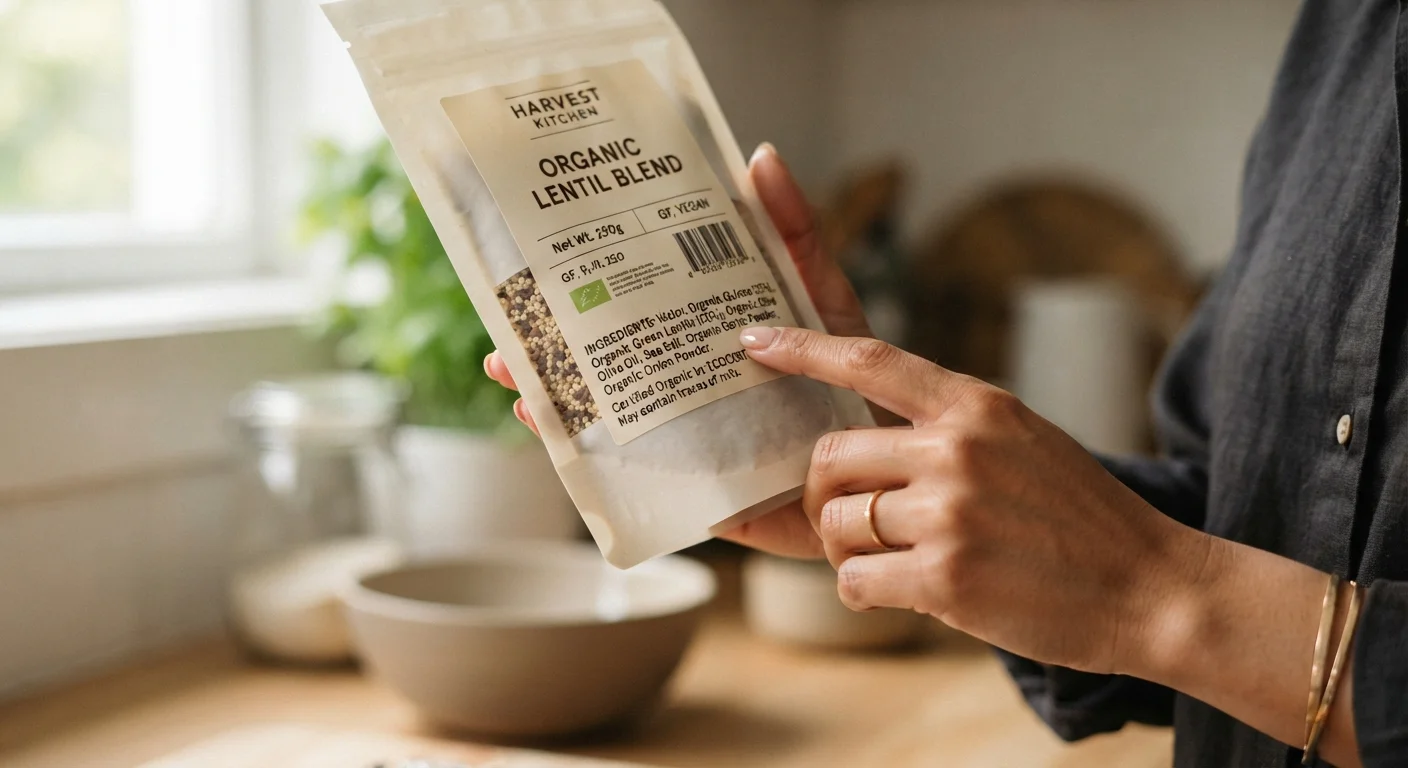
Photo: Online-Searches.net | Explore Insightful Blogs editorial
Key Takeaways
- Added sugars appear under more than 60 different names on ingredient lists.
- Ingredients are listed by weight, so multiple sugar aliases near the top signal a high-sugar product.
- The Nutrition Facts panel's dedicated "Added Sugars" line makes tracking amounts simpler.
- Scanning for "-ose" suffixes and terms like "syrup" or "nectar" helps identify hidden sugar sources.
- So-called healthy foods — granola bars, flavored yogurt, bottled sauces — are common sources of added sugar.
Why Added Sugars Hide in Plain Sight
Food manufacturers are required by the FDA to list every ingredient, but they are not required to consolidate all sugar sources under a single name. This means a product can technically list sugar eighth, tenth, and twelfth on its ingredient list — three separate entries that collectively add up to a significant amount — while no single item appears near the top. It's a legal approach that makes label-reading genuinely tricky without a working knowledge of sugar's many aliases.
Research published in nutrition journals has documented more than 60 names for added sugar in common use on U.S. food labels. The categories range from chemical names ending in -ose, to descriptive names like "syrup" or "nectar," to names that sound closer to whole foods, like "date sugar" or "evaporated cane juice." Regardless of origin or marketing language, these ingredients all contribute to your added sugar intake once consumed.
The updated U.S. Nutrition Facts label — which most manufacturers adopted by 2021 — added a dedicated "Added Sugars" line, making it easier to identify the total amount at a glance. Still, the ingredient list remains your best tool for understanding which forms of sugar a product contains and how prominently they feature. For broader label-reading skills, our guide to decoding nutrition labels covers the full panel in plain language.
This Is General Nutrition Information
How to Read Ingredient Lists for Added Sugar
The steps below walk you through a systematic approach to identifying added sugars on any packaged food label. You don't need a chemistry background — just a pattern recognition strategy and a few minutes of attention.
What you will need
Food package or nutrition label
The primary document you will analyze — both the ingredient list and the Nutrition Facts panel.
Printed or saved sugar alias reference list
A reference sheet of common added-sugar names to consult while scanning ingredient lists.
Grocery store or nutrition tracking app
Many apps allow you to scan barcodes and flag added sugar content automatically.
Start With the Nutrition Facts Panel — Find the Added Sugars Line
Before diving into the ingredient list, orient yourself with the Nutrition Facts panel. Since the FDA updated label requirements, U.S. food labels now include a dedicated "Added Sugars" line beneath Total Sugars, showing the gram amount and a percentage of the Daily Value (%DV). The current Daily Value for added sugars is 50 grams per day, based on a 2,000-calorie diet.
If a product's single serving contributes 20% DV or more of added sugars, that is generally considered a high amount. Use this number as your first filter — it tells you whether the ingredient list warrants a closer look.
Locate the Ingredient List and Note Where Sugars Appear
Ingredients are listed in descending order by weight — the first ingredient makes up the largest proportion of the product. If any form of sugar appears in the first three ingredients, the product is almost certainly high in added sugar.
But manufacturers sometimes use multiple types of sugar to spread them across the list, keeping each one lower individually while the total remains high. This is sometimes called sugar splitting. Scanning the entire list — not just the top — is essential.
Recognize the "-ose" Family of Sugars
Many added sugars are chemically named with the suffix -ose. Common examples include:
- Sucrose — table sugar
- Fructose — fruit sugar, often used in concentrated or isolated form
- Dextrose — a glucose derivative common in processed foods
- Maltose — found in malt products
- Lactose — the naturally occurring sugar in dairy; not typically an added sugar
Note that lactose in plain milk or unsweetened yogurt is a naturally occurring sugar, not an added one — context matters. Understanding the difference between naturally occurring and added sugars is covered in depth in our article on how added and natural sugars differ.
Identify Syrups, Nectars, and Concentrated Sweeteners
A large category of added sugars goes by descriptive names rather than chemical ones. Watch for any ingredient containing the words:
- Syrup: high-fructose corn syrup, brown rice syrup, tapioca syrup, malt syrup, maple syrup
- Nectar: agave nectar, coconut nectar
- Concentrate: fruit juice concentrate, cane juice concentrate
- Molasses, honey, treacle
These ingredients are all forms of added sugar regardless of their perceived "naturalness." Agave nectar and honey, for example, are metabolized similarly to other sugars in the body.
Spot Other Common Aliases
Some added sugars don't fit neatly into the categories above. Additional names to recognize include:
- Cane sugar, raw cane sugar, turbinado sugar, demerara sugar
- Brown sugar, powdered sugar, confectioner's sugar
- Coconut sugar, palm sugar, date sugar
- Barley malt, diastatic malt
- Caramel, carob syrup
- Evaporated cane juice
None of these are nutritionally distinct from conventional sugar in meaningful amounts — the body processes them in broadly similar ways. Products with a health halo — granola bars, flavored yogurt, bottled salad dressings — are frequent carriers of these less-recognizable forms. For a broader look at foods that deserve closer scrutiny, see foods often labeled healthy that deserve a closer look.
Make a Practical Decision Based on Your Full Assessment
Combine what you found in the Nutrition Facts panel (grams and %DV of added sugars) with what the ingredient list revealed (how many forms of sugar, how early they appear). There is no universal rule that a food is "bad" because it contains added sugar — context, overall diet, and serving frequency all matter.
Use this assessment to make an informed comparison between similar products, or to decide whether a food fits your eating patterns on a given day. The goal is awareness, not elimination.
Use the Ingredient List and the Panel Together
"Low Sugar" Claims Don't Tell the Full Story
This article is for general informational and educational purposes only and does not constitute medical or dietary advice. Consult a registered dietitian or qualified healthcare provider for guidance tailored to your individual health needs.
The content provided on our blog site traverses numerous categories, offering readers valuable and practical information. Readers can use the editorial team’s research and data to gain more insights into their topics of interest. However, they are requested not to treat the articles as conclusive. The website team cannot be held responsible for differences in data or inaccuracies found across other platforms. Please also note that the site might also miss out on various schemes and offers available that the readers may find more beneficial than the ones we cover.