
Hawaii's Six Main Islands: A Side-by-Side Look at What Each One Offers

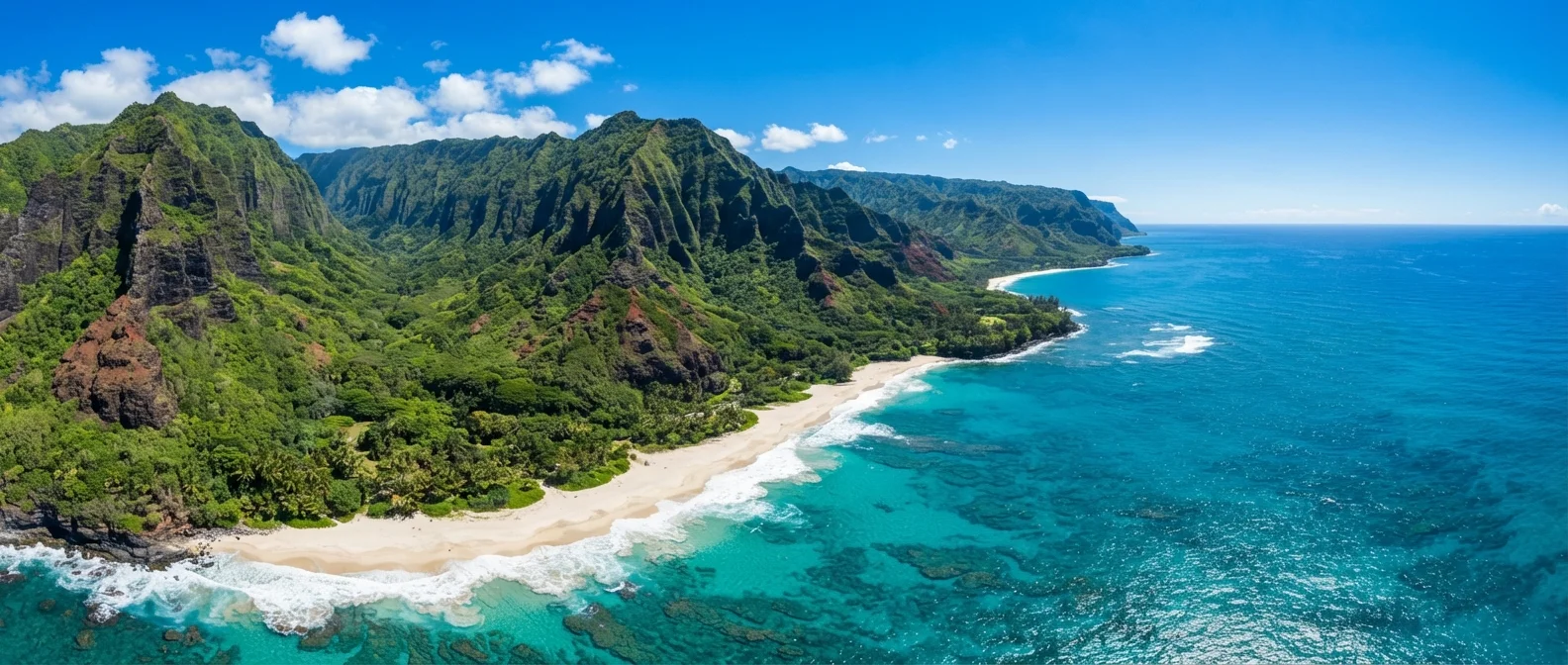
Photo: Online-Searches.net | Explore Insightful Blogs editorial
Key Takeaways
- Oahu combines urban convenience with iconic beaches and is best for first-time visitors.
- Maui offers the widest range of activities, from whale watching to volcano hiking.
- Kauai is the most remote-feeling island, dominated by dramatic natural scenery.
- The Big Island has the most geographical diversity, including active lava flows.
- Molokai and Lanai are quiet escapes for travelers who prefer solitude over resorts.
- Your travel priorities — nightlife, nature, seclusion, or culture — should drive island selection.
Why Island Choice Matters More Than You Might Think
Many travelers book Hawaii without realizing just how different each island feels on the ground. The state spans roughly 1,500 miles of the Pacific and packs six distinct ecosystems, cultures, and travel vibes into those shores. Choosing the wrong island for your travel style can mean spending a beach vacation somewhere rainy and trail-heavy — or landing on a resort island when you were dreaming of remote cliffs and silence.
If you're curious how Hawaii compares to other Pacific destinations overall, our breakdown of South Pacific islands like Fiji, Tahiti, and Samoa puts the region in useful context. But for now, let's go island by island.
| Oahu | Maui | Kauai | Big Island | Molokai | Lanai | |
|---|---|---|---|---|---|---|
| Best for | First-timers, city lovers | Families, varied activities | Hikers, nature seekers | Adventure, geology | Cultural immersion | Seclusion, luxury |
| Crowd level | Very high | High | Moderate | Moderate | Very low | Very low |
| Beach quality | Iconic, busy | Excellent, varied | Scenic, some rough surf | Black sand, diverse | Undeveloped, remote | Limited, rugged |
| Nightlife & dining | Extensive | Good variety | Limited | Growing scene | Very limited | Resort-focused |
| Nature & hiking | Good | Excellent | Outstanding | Outstanding | Moderate | Moderate |
| Flight access from mainland | Easiest | Easy | Good | Good | Via Honolulu | Via Honolulu/Maui |
| Typical budget level | Moderate–high | High | Moderate–high | Moderate | Low–moderate | High |
Oahu: Energy, History, and Waikiki's Famous Shore
Oahu is home to Honolulu, Hawaii's capital, and hosts the majority of the state's visitors each year. That scale brings real advantages: more flight options, extensive public transit, a broad dining scene, and landmarks like Pearl Harbor and Diamond Head. Waikiki remains one of the most recognized stretches of beach in the world.
The trade-off is density. Waikiki can feel crowded, and parts of the island have a distinctly urban rhythm. Travelers seeking total quiet should look elsewhere. But for those who want a mix of beach time, historical depth, and city amenities — especially on a first Hawaii trip — Oahu consistently delivers.
Consider a Multi-Island Itinerary
Maui, Kauai, and the Big Island: Three Very Different Natures
Maui earns its reputation as a versatile destination. The Road to Hana winds through rainforest and past waterfalls; Haleakalā Crater offers sunrise views above the clouds; and the western coast serves up calm, swimmable beaches. Whale watching season (roughly winter through spring) draws visitors specifically to Maui's waters. It's the island that tends to satisfy the widest range of travel priorities.
Kauai, nicknamed the Garden Isle, is the oldest of the main islands geologically and shows it — the Na Pali Coast's fluted green cliffs are among the most photographed landforms in the Pacific. Kauai lacks large resort infrastructure by design; communities like Hanalei feel genuinely small-town. Rain is more frequent here, especially on the north shore, which also means the interior is remarkably lush. Hikers and photographers tend to love it.
The Big Island (officially Hawaii Island) is by far the largest and the most geographically extreme. A single drive can take you from snow-capped Mauna Kea to black sand beaches to fields of hardened lava. Hawai'i Volcanoes National Park is a legitimate must-see. The island's sheer size means distances between attractions are substantial, so a rental car is essentially required.
Molokai and Lanai: Hawaii Without the Crowds
These two smaller islands occupy a different niche entirely. Molokai has deliberately resisted large-scale tourism development. There are no traffic lights, no resort complexes, and no chain restaurants. The island has a high percentage of Native Hawaiian residents and a deeply rooted local culture. Visiting with genuine respect and openness matters here more than anywhere else in the state.
The Kalaupapa National Historical Park — a former leprosy settlement accessible only by mule trail or small plane — is one of the most moving sites in all of Hawaii. Molokai is not for travelers seeking amenities, but for those seeking something authentic and unhurried, it can be profound.
Lanai is smaller still and operates on a different model: two high-end lodge properties define most of the visitor experience. It's quiet, uncrowded, and surrounded by rugged terrain ideal for off-road exploration. Day trips from Maui via ferry make it accessible without an overnight commitment.
Practical Factors to Weigh Before You Book
Beyond character, a few logistics should shape your decision:
- Flight access: Oahu and Maui have the most direct mainland connections. Kauai and the Big Island have good options too. Molokai and Lanai typically require a connecting flight from Honolulu.
- Inter-island travel: If you plan to visit multiple islands, factor in flight time and cost. Inter-island flights are short but add up quickly.
- Seasonality: Hawaii's weather is generally favorable year-round, but the north shores of each island get significantly more rain in winter months. South and west coasts tend to be drier.
- Budget: Lanai and Maui's resort zones skew expensive. The Big Island and Kauai offer more range. Molokai is the most affordable but has the fewest accommodation options.
Hawaii rewards thoughtful planning. Matching your expectations to an island's actual personality — rather than its marketing image — makes all the difference.
The content provided on our blog site traverses numerous categories, offering readers valuable and practical information. Readers can use the editorial team’s research and data to gain more insights into their topics of interest. However, they are requested not to treat the articles as conclusive. The website team cannot be held responsible for differences in data or inaccuracies found across other platforms. Please also note that the site might also miss out on various schemes and offers available that the readers may find more beneficial than the ones we cover.