
The Pacific Islands: What Separates Fiji, Tahiti, Samoa, and Tonga as Destinations

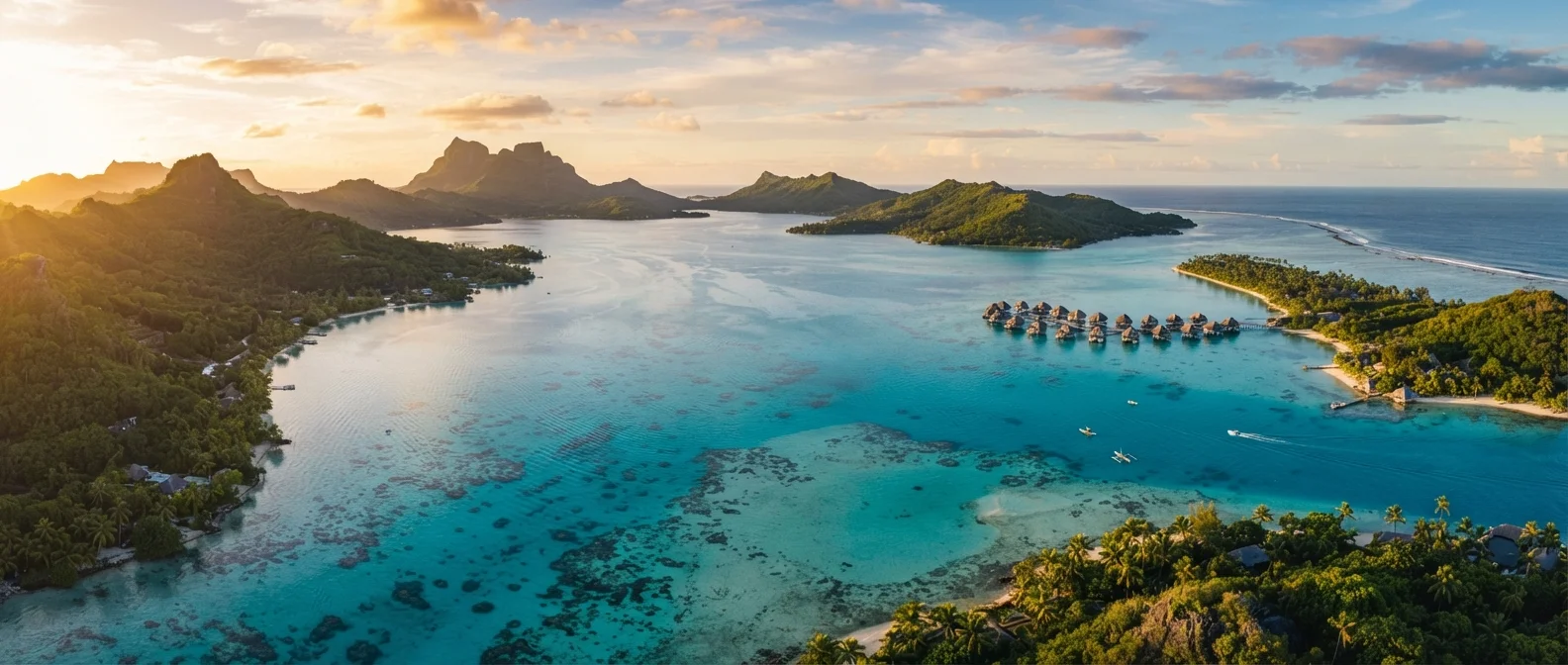
Photo: Online-Searches.net | Explore Insightful Blogs editorial
Four Destinations, Four Different Experiences
When most American travelers picture the South Pacific, they imagine one postcard: a thatched bungalow over glassy turquoise water. But Fiji, Tahiti, Samoa, and Tonga are as distinct from one another as the Caribbean islands — shaped by different cultures, geographies, and tourism infrastructures. Choosing the right one starts with knowing what actually sets them apart.
Just as the Hawaiian islands each have their own personality — a concept explored in our breakdown of Hawaii's six main islands — the Pacific Island groups reward travelers who do a little homework before booking.
| Easiest Access from USA | Fiji (direct flights from LAX and SFO) |
| Most Expensive Option | French Polynesia (Tahiti/Bora Bora) |
| Best for Cultural Immersion | Samoa |
| Best for Wildlife Experiences | Tonga (humpback whale swimming, Jul–Oct) |
| Widest Range of Resorts | Fiji (330+ islands, all budget levels) |
| Official Language | Fijian/English (Fiji), French/Tahitian (FP), Samoan/English (Samoa), Tongan/English (Tonga) |
| Currency | Fijian Dollar / CFP Franc / Samoan Tālā / Tongan Paʻanga |
| Entry Requirements | Vary by destination — verify with official government sources before travel |
Fiji: The Hub of the South Pacific
Fiji is the most accessible South Pacific destination for American travelers, with direct flights from Los Angeles and San Francisco to Nadi International Airport. With more than 330 islands, it offers the widest range of accommodation — from barefoot budget resorts to ultra-luxury private-island escapes.
Culturally, Fiji blends indigenous Fijian and Indo-Fijian traditions, and villages throughout the islands maintain strong communal customs. The Mamanuca and Yasawa island chains are the most visited, offering spectacular snorkeling and diving on healthy coral reefs. Travelers seeking adventure will find surfing, whitewater rafting on the Navua River, and zip-lining. Fiji's tourism infrastructure is the most developed of the four, making it the easiest entry point for first-time South Pacific visitors.
Tahiti and French Polynesia: Romance and Remoteness
Technically, "Tahiti" refers to a single island — the main island of French Polynesia, which spans 118 islands including Bora Bora, Moorea, and the remote Marquesas. The French colonial influence is unmistakable: baguettes at the ferry dock, French as the official language alongside Tahitian, and a sophisticated culinary scene.
French Polynesia is widely regarded as the origin of the overwater bungalow concept, and it remains the benchmark for that experience. That reputation comes with a price — French Polynesia is among the most expensive South Pacific destinations, with costs significantly higher than Fiji or Samoa. Air Tahiti Nui operates direct flights from Los Angeles. Travelers prioritizing romance, luxury, and dramatic volcanic scenery (Bora Bora's Mount Otemanu is iconic) will find French Polynesia hard to match.
Visa and Entry Rules Change — Always Verify
Samoa: Culture First, Tourism Second
The Independent State of Samoa — distinct from American Samoa, a U.S. territory — offers arguably the most authentic Polynesian cultural experience of the four. The concept of fa'a Samoa ("the Samoan way") governs daily life, and visitors who engage respectfully will find genuine hospitality at village stays, traditional umu (earth-oven) feasts, and Sunday church services accompanied by extraordinary choral singing.
Tourism infrastructure is modest compared to Fiji or Tahiti, which means fewer international resort brands but also far fewer crowds. The islands of Upolu and Savai'i reward adventurous travelers with lava fields, blowholes, pristine To Sua Ocean Trench swimming holes, and rainforest hikes. Getting here typically requires a connection through Auckland or Fiji, adding time but also keeping the destination less trafficked.
Tonga: Wilderness, Whales, and an Ancient Kingdom
Tonga is the only Pacific Island nation never colonized by a foreign power, and it remains a constitutional monarchy with deep ties to Polynesian tradition. That independence has shaped a destination that moves at its own pace — a refreshing counterpoint to more commercialized island tourism.
The standout draw is seasonal: between July and October, humpback whales migrate to Tongan waters to breed and calve, and swimming with humpbacks is a legal and well-regulated activity there that few other places in the world permit. The Ha'apai island group offers some of the most undisturbed beaches in the Pacific. Like Samoa, Tonga requires a connection (usually through Fiji or Auckland), and accommodation options lean toward guesthouses and small eco-lodges rather than large resorts. It's a destination for travelers who prioritize nature and authenticity over amenities.
For those who love comparing distinct destinations side by side — whether domestic or international — our guide to what each US national park region actually offers applies a similar approach closer to home.
Fa'a Samoa
Meaning 'the Samoan way,' this phrase describes the traditional social system and cultural values that guide daily life in Samoa, including community obligation, respect for elders, and the central role of the church.
French Polynesia
An overseas collectivity of France comprising 118 islands and atolls in the South Pacific, including Tahiti, Bora Bora, and Moorea. It is politically distinct from independent Pacific nations.
Overwater Bungalow
A style of accommodation built on stilts above a lagoon, offering direct water access from the room. The concept is closely associated with French Polynesia, where it originated in the 1960s.
Umu
A traditional Polynesian earth oven used across Samoa and other Pacific islands, where food is cooked underground using heated stones — a central feature of communal feasting culture.
Ha'apai
A remote island group within Tonga known for pristine, largely undeveloped beaches and calm waters, popular with travelers seeking seclusion and natural scenery away from tourist infrastructure.
The content provided on our blog site traverses numerous categories, offering readers valuable and practical information. Readers can use the editorial team’s research and data to gain more insights into their topics of interest. However, they are requested not to treat the articles as conclusive. The website team cannot be held responsible for differences in data or inaccuracies found across other platforms. Please also note that the site might also miss out on various schemes and offers available that the readers may find more beneficial than the ones we cover.