
America's National Parks: What Each Region Actually Offers Travelers

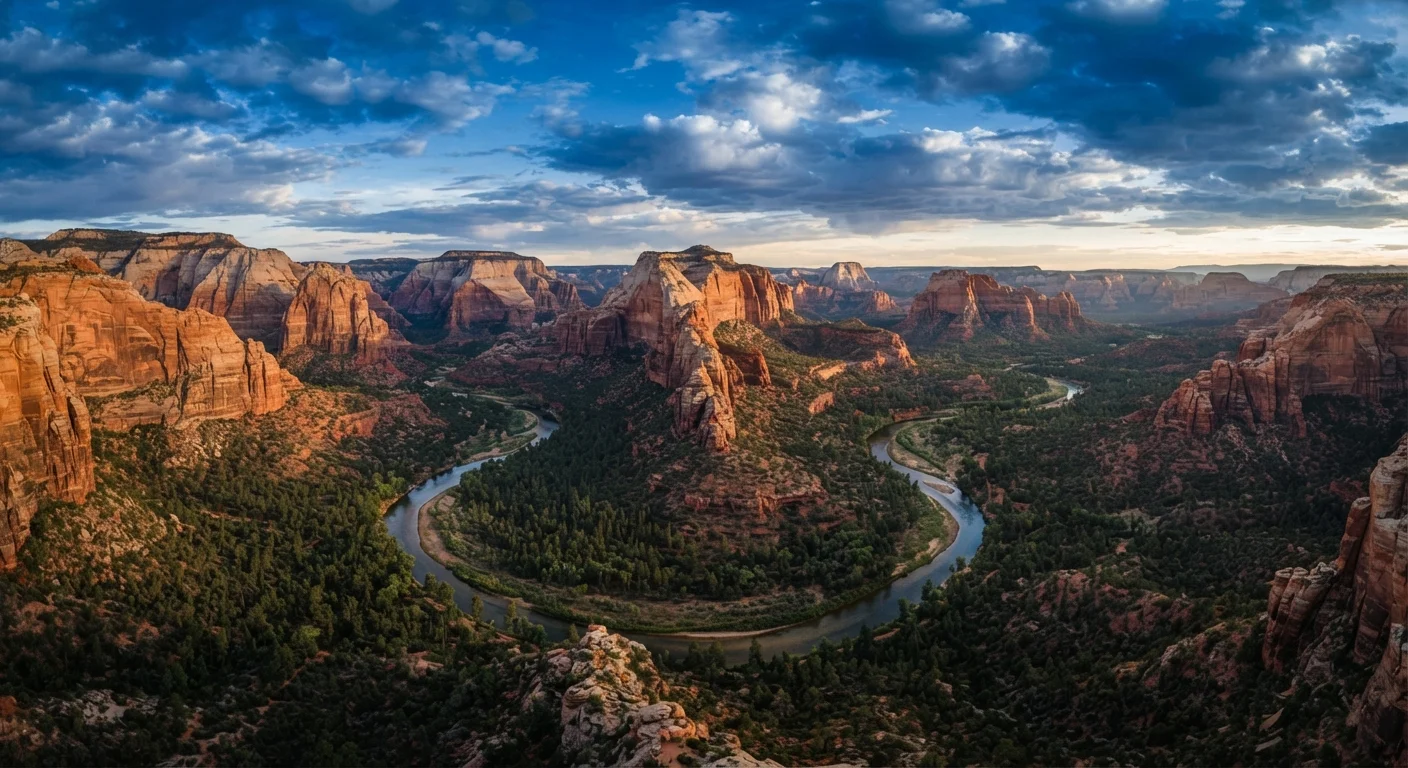
Photo: Online-Searches.net | Explore Insightful Blogs editorial
Why Region Matters Before You Book
With more than 400 sites managed by the National Park Service, choosing a park can feel overwhelming fast. But once you understand how geography shapes each region's character — its terrain, wildlife, weather windows, and visitor experience — the decision gets a lot clearer. Whether you're dreaming of a desert road trip or a misty rainforest hike, knowing your region is step one.
If you're weighing a national parks adventure against a broader international itinerary, see how the planning processes compare in our domestic vs. international trip planning guide.
The Southwest: Geological Drama at Scale
The desert Southwest — anchored by Utah, Arizona, Nevada, and New Mexico — is home to some of the most visually iconic parks in the country. Grand Canyon, Zion, Bryce Canyon, and Arches deliver layered sandstone, slot canyons, and high desert plateaus that can shift from bone-dry summer heat to snow-covered winter stillness.
Spring (March–May) and fall (September–November) tend to offer the most comfortable hiking conditions. Summer draws the largest crowds, and flash floods are a real monsoon-season risk in slot canyon areas — always check weather conditions before entering confined canyon terrain. For a deeper look at what separates each Southwestern state as a travel destination, see our Southwest region-by-region breakdown.
The Pacific Northwest and West Coast: Verdant, Volcanic, and Coastal
Olympic, Crater Lake, Mount Rainier, and Redwood define the Pacific corridor — each offering a radically different experience. Olympic alone contains temperate rainforest, glacier-capped peaks, and wild Pacific coastline within a single park boundary. Crater Lake's sapphire-blue caldera is the deepest lake in the United States. Redwood protects the tallest trees on Earth.
The tradeoff here is weather: the Pacific Northwest is famously wet, and many park roads close well into spring from snowpack. Travelers who visit in summer enjoy long daylight hours and relatively mild temperatures. Coastal parks can be foggy even in peak season — build flexibility into your itinerary.
The Rocky Mountains and Great Plains: Elevation and Open Sky
Yellowstone, Grand Teton, Rocky Mountain National Park, and Glacier anchor this region. Elevation is the defining variable — Trail Ridge Road in Rocky Mountain NP crests above 12,000 feet, and altitude sickness is a genuine concern for visitors arriving from sea level. Give yourself a day or two to acclimate before attempting long hikes above 10,000 feet.
Yellowstone's geothermal features — geysers, hot springs, and fumaroles — are unlike anything else in the lower 48. Wildlife viewing is exceptional throughout the region: bison, wolves, bears, moose, and pronghorn are commonly spotted. Spring and early summer bring dramatic wildflower blooms; late fall sees smaller crowds and active elk rutting season. For those planning a multi-park road loop through this region, our complete U.S. road trip planning guide covers pacing and logistics in detail.
The East, Southeast, and Alaska: Diversity Often Overlooked
The Eastern U.S. tends to get less national park attention than the West, but Great Smoky Mountains is consistently the most visited park in the country — not despite its accessibility, but because of it. Acadia in Maine offers dramatic Atlantic coastline and rocky headlands. Shenandoah's Skyline Drive is a quieter, deeply scenic alternative to the more famous Western routes worth exploring alongside underrated American road trip corridors.
Alaska operates on a different scale entirely. Denali's wilderness is largely trailless; Wrangell-St. Elias is larger than the entire country of Switzerland. These parks reward experienced backcountry travelers and those prepared for unpredictable subarctic weather. Entry logistics, bear safety protocols, and permit systems differ significantly from lower-48 parks — research your specific destination carefully with official NPS resources before you go.
Always verify current park conditions, entry fees, permit requirements, and any active alerts directly with the National Park Service (nps.gov) before your trip, as conditions can change seasonally or without notice.
The content provided on our blog site traverses numerous categories, offering readers valuable and practical information. Readers can use the editorial team’s research and data to gain more insights into their topics of interest. However, they are requested not to treat the articles as conclusive. The website team cannot be held responsible for differences in data or inaccuracies found across other platforms. Please also note that the site might also miss out on various schemes and offers available that the readers may find more beneficial than the ones we cover.