
What People Get Wrong About Traveling in Southeast Asia

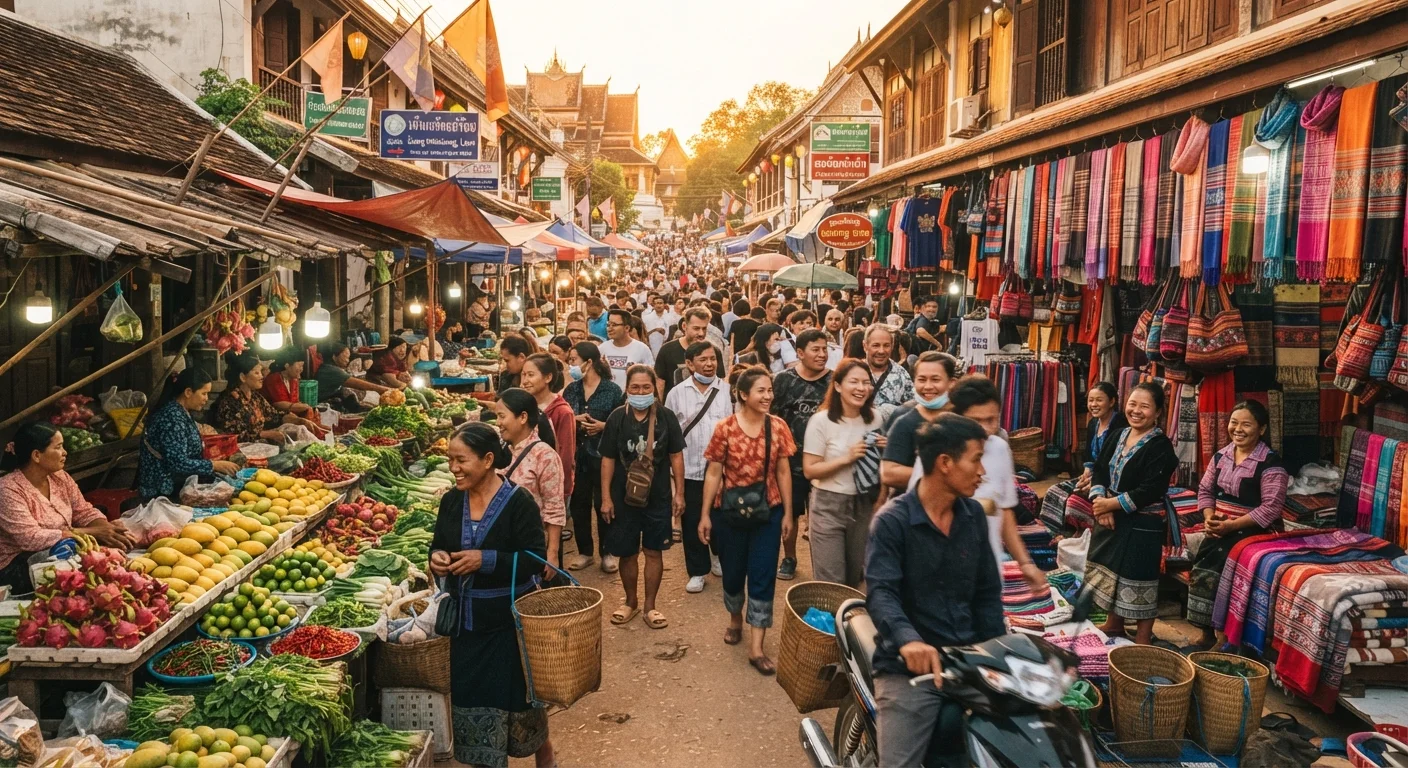
Photo: Online-Searches.net | Explore Insightful Blogs editorial
Key Takeaways
- Southeast Asia is far more accessible and beginner-friendly than most first-timers expect.
- Safety concerns are often overstated; practical precautions matter more than fear-driven avoidance.
- English is widely spoken in tourist areas across Thailand, Vietnam, Bali, and beyond.
- The region is not uniformly cheap — costs vary significantly by country, city, and travel style.
- Cultural respect is genuinely important, but local communities are typically welcoming to curious visitors.
- Always verify visa rules, health recommendations, and entry requirements with official sources before traveling.
Why Misconceptions About Southeast Asia Run So Deep
Southeast Asia draws millions of American travelers every year — and nearly as many unfounded assumptions. From outdated safety warnings passed down through forum posts to romanticized (or fearful) portrayals in pop culture, the region tends to arrive in people's minds pre-loaded with myths before they've booked a single flight.
The good news: most of what keeps people from going is simply wrong. And for those already planning a trip, clearing up these misconceptions makes for smarter, more relaxed travel. See our guide to common travel planning myths for a broader look at what holds people back before they even get started.
Myth
Southeast Asia is dangerous for solo travelers, especially women traveling alone.
Fact
Millions of solo travelers — including women — travel through Thailand, Vietnam, and Indonesia safely every year.
Safety risks exist everywhere in the world, and Southeast Asia is no exception. But the region is not uniquely dangerous for tourists. Countries like Thailand and Vietnam consistently rank among the most visited destinations globally precisely because they have developed robust, traveler-friendly infrastructure. Standard urban precautions — staying aware of your surroundings, securing your belongings, researching neighborhoods before you go — apply here just as they would in any major city. Solo female travelers often cite the warmth and community of the traveler networks they encounter as a genuine highlight of the experience.
Myth
You need to speak the local language to get by.
Fact
English is widely spoken in tourist areas, hotels, and transit hubs across the region.
In popular destinations — Bangkok, Hanoi, Bali, Chiang Mai, Ho Chi Minh City — English signage, menus, and frontline staff are common. Translation apps have also made communication in more rural areas dramatically easier than even a decade ago. Learning a handful of local words (greetings, thank you, please) goes a long way in showing respect and is warmly received. But fluency is not a prerequisite for meaningful travel in this region.
Myth
Everything in Southeast Asia is incredibly cheap, so you barely need to budget.
Fact
Costs vary widely by country, city, and travel style — some areas are genuinely affordable, others are not.
While daily costs in parts of Vietnam, Cambodia, and Laos can be low by American standards, places like Bali's resort towns, Singapore (a common regional hub), and upscale Bangkok neighborhoods operate at prices that would feel familiar to any Western traveler. Add in flights, travel insurance, activities, and occasional splurges, and a Southeast Asia trip can cost more than expected. Realistic budgeting is essential — see our breakdown of where travel budgets go wrong for a grounded look at the numbers.
Myth
The food will make you sick, so it's safer to stick to Western options.
Fact
Street food across Southeast Asia is a core cultural experience and is eaten safely by millions of locals and visitors daily.
Gastrointestinal upset during travel is common — but it's not an inevitable result of eating local food. High-turnover street stalls with freshly cooked dishes are often safer than a poorly maintained restaurant kitchen. The real variables are food handling hygiene and water safety. Observing whether a stall is busy (a good sign), choosing cooked over raw when uncertain, and drinking bottled or filtered water are practical strategies that most experienced Southeast Asia travelers rely on. Avoiding local food entirely means missing some of the most memorable parts of the trip.
Myth
Temple dress codes and cultural customs are optional tourist formalities.
Fact
Dress codes and behavioral expectations at religious sites are genuine cultural requirements, not suggestions.
Temples, wats, and sacred sites across Southeast Asia carry real religious significance. Covered shoulders and knees are standard requirements at many sites — and enforcement can mean being turned away at the entrance. Beyond dress, behavior matters: removing shoes when indicated, speaking quietly, and not touching sacred objects or monks are all standard expectations. Approaching these norms with genuine respect rather than reluctant compliance makes a meaningful difference to the communities who live and worship in these spaces.
What You Should Actually Think About Before You Go
Debunking myths is only half the equation. There are genuinely important things to prepare for — they just tend to be different from what people expect.
Visa and Entry Rules Change — Always Verify
Health preparation deserves real attention. Recommended vaccinations, stomach adjustment to new foods, and access to medications you rely on at home are all worth researching carefully. Our first-trip guide to developing-country travel covers health and entry logistics in practical depth. Always consult a qualified healthcare provider well before departure — and check official government travel advisory sites for current entry requirements, since visa rules shift frequently.
Budget planning also trips people up. The hidden costs that derail travel budgets — airport transfers, travel insurance, the occasional splurge accommodation — are easy to overlook when you're focused on the low headline prices. And don't miss the often-overlooked logistics that experienced planners always double-check: local customs, medication import rules, and time-zone fatigue among them.
The region rewards preparation — not paranoia. Go in with clear eyes, reasonable expectations, and genuine curiosity, and Southeast Asia tends to over-deliver.
78M+
Annual visitors to Southeast Asia (pre-pandemic peak)
ASEAN tourism statistics showed the region attracted over 78 million international visitors in 2019, reflecting its status as one of the world's most popular travel regions.
~30
Countries requiring no visa for US passport holders on entry
U.S. passport holders can enter many Southeast Asian countries without advance visas for short stays, though rules vary by country and duration — always verify current requirements with official sources.
The content provided on our blog site traverses numerous categories, offering readers valuable and practical information. Readers can use the editorial team’s research and data to gain more insights into their topics of interest. However, they are requested not to treat the articles as conclusive. The website team cannot be held responsible for differences in data or inaccuracies found across other platforms. Please also note that the site might also miss out on various schemes and offers available that the readers may find more beneficial than the ones we cover.