
Planning Your First Trip to a Developing Country: What to Understand Before You Go

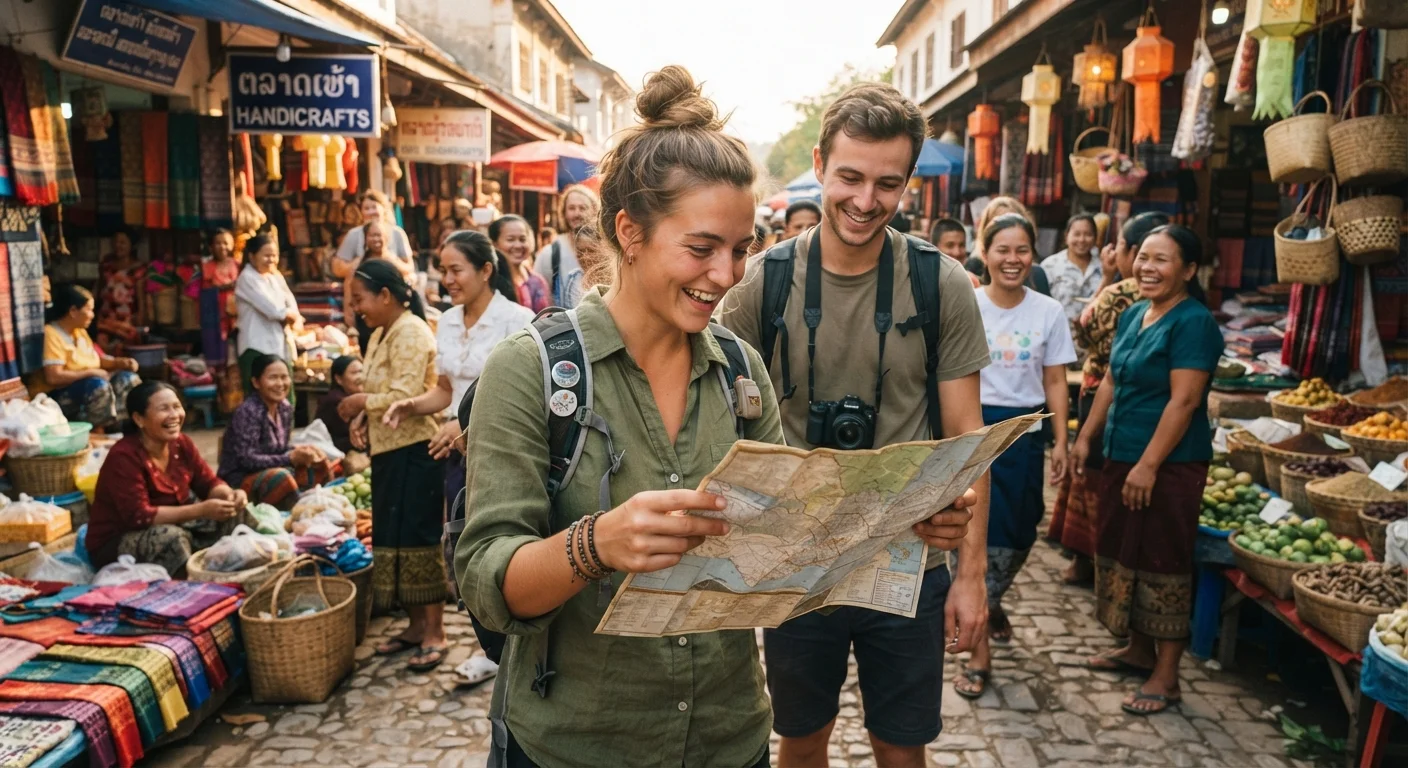
Photo: Online-Searches.net | Explore Insightful Blogs editorial
Key Takeaways
- Entry requirements, visa rules, and vaccination needs vary widely — always verify with official government sources.
- Infrastructure gaps (power, water, connectivity) require practical workarounds you can plan for in advance.
- Cultural awareness and basic language preparation reduce friction and deepen your experience.
- Travel insurance with medical evacuation coverage is especially important in destinations with limited healthcare access.
- Flexible, patient planning beats rigid itineraries when traveling somewhere less predictable.
Why This Type of Trip Calls for a Different Kind of Preparation
Traveling to a developing country for the first time is one of the most genuinely rewarding experiences available to any traveler — but it does ask more of you upfront. Unlike destinations with heavily tourist-oriented infrastructure, these trips require you to anticipate gaps rather than assume conveniences. That shift in mindset is the single most useful thing you can bring.
This checklist isn't designed to alarm you. It's designed to make sure you arrive informed, flexible, and ready to engage. Whether you're heading to West Africa, Central America, South or Southeast Asia, or the Pacific Islands, the core preparation categories are largely the same. See our first international trip roadmap for a broader orientation if this is also your first time traveling abroad.
Entry Requirements & Documentation
Health Preparation
Insurance & Emergency Planning
Infrastructure & Logistics
Cultural Awareness & Communication
Tools and Resources to Have Ready
You don't need much, but having the right resources in hand — especially offline — makes a real difference when connectivity is unreliable.
U.S. Department of State — Travel Advisories
Check current safety advisories, entry requirements, and emergency contacts for your destination country.
CDC Traveler's Health Website
Review destination-specific health notices, recommended vaccines, and food and water safety guidance.
Offline Maps App (e.g., Maps.me or Google Maps offline)
Download maps of your destination before departure so you can navigate without a data connection.
Offline Translation App
Translate text, signs, and menus in real time even without internet access.
Universal Power Adapter
Ensure your devices can charge safely regardless of local outlet type or voltage differences.
STEP Enrollment (Smart Traveler Enrollment Program)
Register your trip so the U.S. Embassy can contact you during emergencies or natural disasters.
Water Purification Tablets or Portable Filter
Provide a backup for safe drinking water when bottled water is unavailable or unreliable.
For a deeper look at what seasoned travelers always double-check before departure, the overlooked details that derail well-planned trips article is worth reading alongside this checklist. And if you're planning to travel solo, our solo travel introduction covers additional safety and confidence-building strategies specific to going it alone.
Don't Rely Solely on Guidebooks for Entry Rules
A Few Things Worth Keeping in Mind
Developing countries are not monolithic — the infrastructure of urban Nairobi differs dramatically from rural Cambodia, and a coastal resort town in Morocco operates very differently from a highland village. Do your destination-specific research, not just category-level research. Common assumptions about traveling in Southeast Asia illustrate exactly why sweeping generalizations tend to mislead.
Use our pre-trip safety checklist to cross-check your documents, emergency contacts, and health prep before you fly. And once you arrive, navigating public transportation in an unfamiliar city can help you build confidence getting around on the ground.
Medical Evacuation Coverage Is Not Optional in Remote Areas
The Trip Planning hub has additional resources for organizing every stage of your journey, from the first spark of inspiration to the day you land back home.
This article provides general travel information and education only. Entry requirements, health recommendations, and safety conditions change frequently — always verify current rules with official government sources, your country's foreign affairs ministry, and qualified healthcare professionals before traveling.
The content provided on our blog site traverses numerous categories, offering readers valuable and practical information. Readers can use the editorial team’s research and data to gain more insights into their topics of interest. However, they are requested not to treat the articles as conclusive. The website team cannot be held responsible for differences in data or inaccuracies found across other platforms. Please also note that the site might also miss out on various schemes and offers available that the readers may find more beneficial than the ones we cover.