
Before You Land: A Pre-Trip Safety Checklist for International Travelers

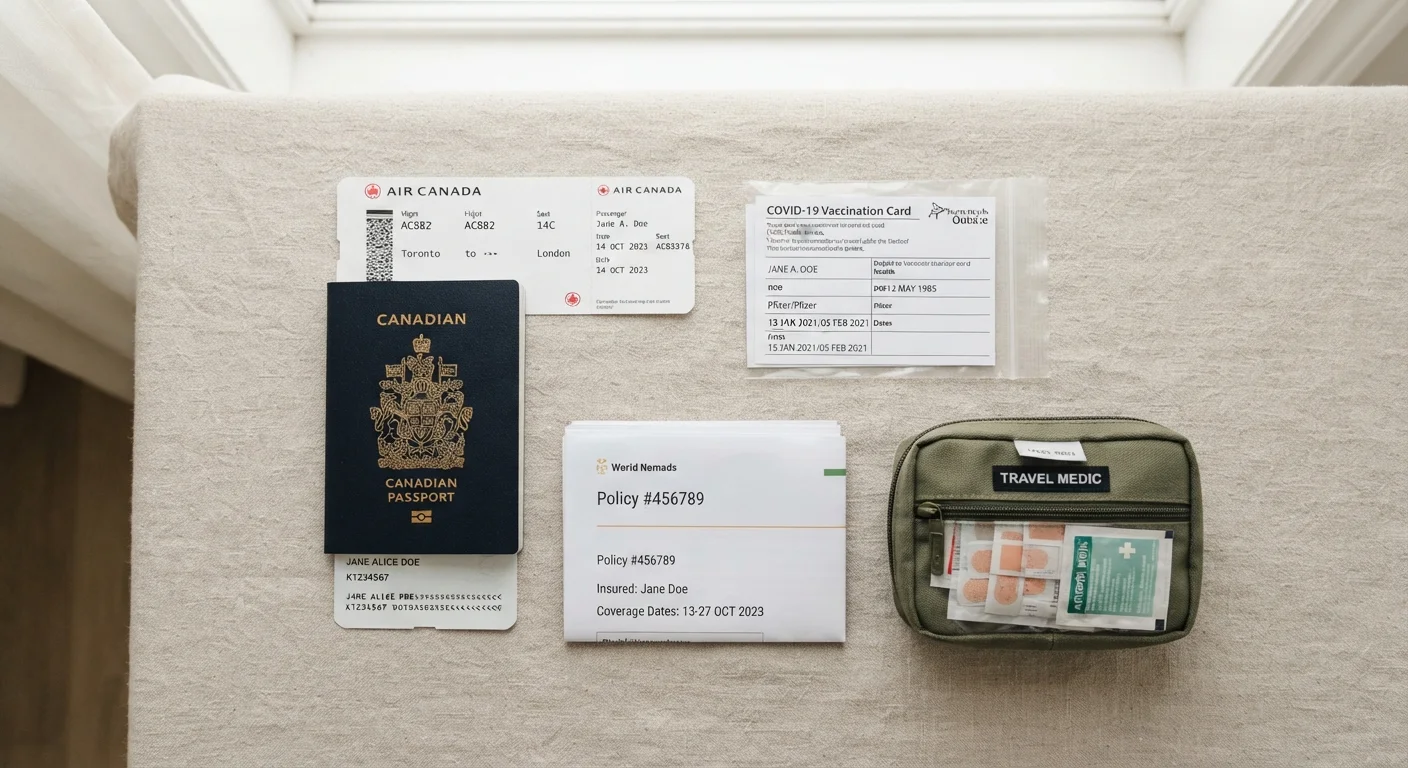
Photo: Online-Searches.net | Explore Insightful Blogs editorial
Key Takeaways
- Passport validity requirements vary by country — check at least six months before travel.
- Registering with the U.S. State Department's STEP program gives you emergency alerts at your destination.
- Travel health prep should begin four to six weeks before departure to allow time for vaccinations.
- Storing digital copies of key documents separately from the originals is a critical safety layer.
- Knowing your destination's emergency contact numbers before you land can save precious time in a crisis.
Why Pre-Trip Safety Prep Matters More for International Travel
Crossing a border isn't just a logistical milestone — it changes your relationship with nearly every safety net you take for granted at home. Your health insurance may not work. Your phone plan might fail. Local emergency services may operate very differently than you expect. The good news? Most of these risks are entirely manageable when you prepare in advance.
This checklist is designed for U.S. travelers heading abroad, whether it's your tenth international trip or your first. It focuses on the safety-specific tasks that often get crowded out by packing lists and itinerary planning. Work through it at least two to three weeks before departure — some items, especially health-related ones, require more lead time than that.
If you're heading somewhere less traveled, our guide on planning your first trip to a developing country covers the broader context you'll want alongside this checklist. And for a general pre-departure sweep that covers home security, bookings, and more, see our full pre-trip checklist.
Documents & Identity
Health & Medical Prep
Emergency Contacts & Registration
Money & Connectivity
Safety Awareness
Tools and Resources to Have on Hand
You don't need much to work through this checklist effectively, but a few key resources will make the process smoother and more thorough.
U.S. State Department – travel.state.gov
Check country-specific travel advisories, visa requirements, and enroll in the STEP program for emergency alerts.
CDC Travelers' Health Website (wwwnc.cdc.gov/travel)
Review destination-specific vaccine recommendations, disease risks, and current health notices.
Passport & Document Scanner App
Digitize and securely store copies of your passport, visa, and travel insurance documents for easy access abroad.
Travel Health Insurance Policy
Provides coverage for emergency medical care and evacuation when your standard U.S. health plan doesn't apply overseas.
Offline Maps App (e.g. downloadable city maps)
Provides reliable navigation in your destination without requiring an active data connection.
Travel Medicine Clinic or Healthcare Provider
Provides personalized vaccine and health recommendations based on your itinerary, health history, and activities planned.
Don't Rely Solely on Travel Apps for Safety Info
Once you've completed these steps, you'll have built a genuine safety foundation — not just a packing list. Pair this with smart travel habits that experienced travelers rely on, and you're well positioned to handle whatever comes your way abroad.
If you're carrying prescription medications, don't overlook the rules around crossing borders with them — our guide to traveling with medications covers what U.S. travelers most commonly miss.
This article provides general travel information and education. It is not a substitute for professional medical, legal, or financial advice. Always verify entry requirements, health recommendations, and travel advisories with official government sources — including travel.state.gov, the CDC, and the embassy or consulate of your destination country — before traveling. Conditions can change; check for updates close to your departure date.
The content provided on our blog site traverses numerous categories, offering readers valuable and practical information. Readers can use the editorial team’s research and data to gain more insights into their topics of interest. However, they are requested not to treat the articles as conclusive. The website team cannot be held responsible for differences in data or inaccuracies found across other platforms. Please also note that the site might also miss out on various schemes and offers available that the readers may find more beneficial than the ones we cover.