
How Depreciation Actually Works — and Why It Matters for Car Owners

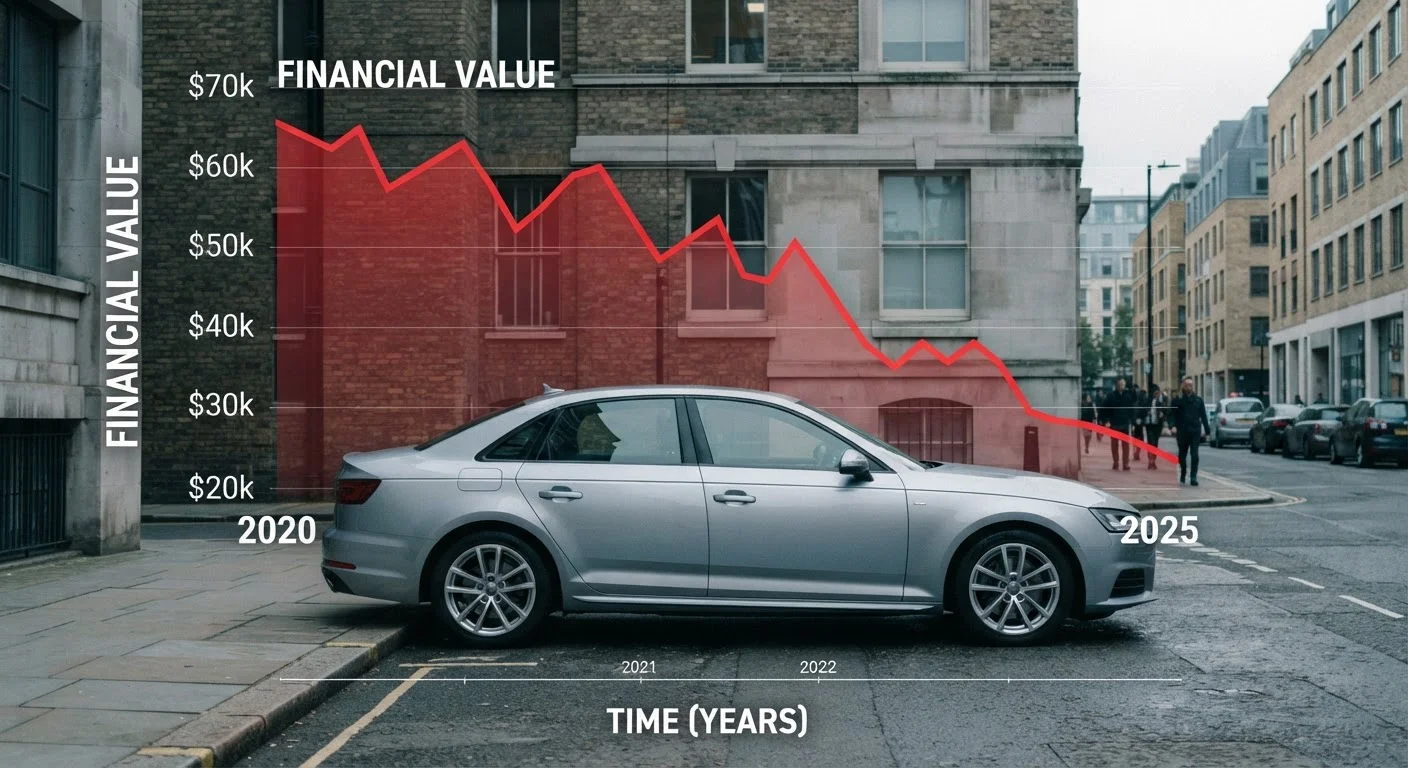
Photo: Online-Searches.net | Explore Insightful Blogs editorial
Key Takeaways
- New cars typically lose 15–25% of their value in the first year alone.
- Depreciation affects insurance payouts, trade-in offers, and loan balance risk.
- Vehicles with high depreciation rates can leave owners "underwater" on their loans.
- GAP insurance exists specifically to cover the difference between loan balance and actual vehicle value.
- Mileage, condition, and model popularity all influence how quickly a car depreciates.
- Understanding depreciation helps you time purchases, trade-ins, and coverage decisions more effectively.
The Depreciation Curve: When Value Drops Fastest
Depreciation doesn't move in a straight line. The sharpest drop happens early — often within the first 12 months. A vehicle purchased new for $35,000 could be worth closer to $27,000–$29,000 a year later, even with low mileage and no accidents on record. After that initial cliff, the rate of decline tends to slow, but value continues to erode each year.
By the time a car is five years old, it may have lost 40–60% of its original value depending on the make, model, and market conditions. This curve matters because it determines what you'll realistically receive at trade-in, what a private buyer will pay, and what your insurance company considers the vehicle worth.
15–25%
Value lost in a car's first year
Industry data from sources such as Kelley Blue Book and Edmunds consistently show new vehicles experience their sharpest depreciation hit in year one.
40–60%
Value lost within five years
By the five-year mark, most vehicles have lost a significant portion of their original purchase price, depending on make, model, and market conditions.
~$6,000
Average first-year depreciation in dollars
On a $30,000 vehicle depreciating at 20%, the dollar loss in year one alone can exceed $6,000 — more than most annual maintenance costs combined.
Not all vehicles depreciate equally. Market demand plays a significant role — trucks and certain SUVs have historically held value better than passenger sedans in the U.S. market. A vehicle's reliability reputation, fuel economy, and even color can influence how buyers perceive its worth on the used market.
How Depreciation Connects to Your Insurance
Most standard auto insurance policies pay out actual cash value (ACV) — the depreciated market value of your vehicle at the time of a covered loss, not what you originally paid. If your car is totaled in an accident, the insurer is calculating what that vehicle was worth the day of the incident, which may be thousands of dollars less than your outstanding loan balance.
This gap between what you owe and what the car is worth is where GAP insurance (Guaranteed Asset Protection) becomes relevant. Drivers who financed a vehicle with a small down payment, or chose a long loan term, are most exposed to this risk. If you're curious how coverage layers work more broadly, our guide to what car insurance actually covers breaks down each policy type in plain language.
Check Your Loan Balance Against Market Value
It's also worth revisiting your coverage as your car ages. A vehicle that's paid off and has depreciated significantly may not need the same level of collision or comprehensive coverage as a newer financed model. Our article on keeping insurance costs manageable over a vehicle's life explores how to think through those reassessments over time.
Depreciation and the Financing Decision
How you pay for a car has real consequences once depreciation enters the picture. When you finance a vehicle, the loan balance and the car's value move on different timelines. Loan payments are structured to reduce your principal gradually, while the vehicle's market value drops faster in the early years. The result: it's common to owe more than the car is worth for the first year or two of a loan — a situation called being "underwater" or having negative equity.
Cash buyers sidestep this specific risk, but they aren't immune to depreciation — they simply experience it as lost asset value rather than loan exposure. Understanding these dynamics is part of what distinguishes the financing experience from paying outright. Our explainer on financing versus paying cash digs into these differences in detail.
One practical implication: if you plan to trade in a financed vehicle in the next year or two, it's worth checking whether you're currently underwater before heading to the dealership. Negative equity can be rolled into a new loan — but doing so means you're immediately starting your next loan already behind.
What You Can Do With This Knowledge
Depreciation isn't something you can avoid, but understanding it helps you make better-timed decisions. Buying a vehicle that is two to four years old rather than brand new lets you avoid the steepest part of the depreciation curve while still getting a relatively modern vehicle. The original buyer absorbed that initial loss; you benefit from the lower entry price.
If you do buy new, a larger down payment reduces the risk of going underwater on your loan early on. Similarly, keeping up with routine car maintenance — documented with service records — supports the strongest possible resale or trade-in position when the time comes to move on.
Depreciation is one of those ownership realities that's easy to overlook when you're focused on monthly payments and features. But it quietly shapes the value of every financing, insurance, and trade-in decision you'll make over the life of the vehicle. Getting familiar with how it works puts you in a much stronger position as a car owner.
Frequently Asked Questions
The content provided on our blog site traverses numerous categories, offering readers valuable and practical information. Readers can use the editorial team’s research and data to gain more insights into their topics of interest. However, they are requested not to treat the articles as conclusive. The website team cannot be held responsible for differences in data or inaccuracies found across other platforms. Please also note that the site might also miss out on various schemes and offers available that the readers may find more beneficial than the ones we cover.