
Things Drivers Get Wrong About Merging onto a Highway

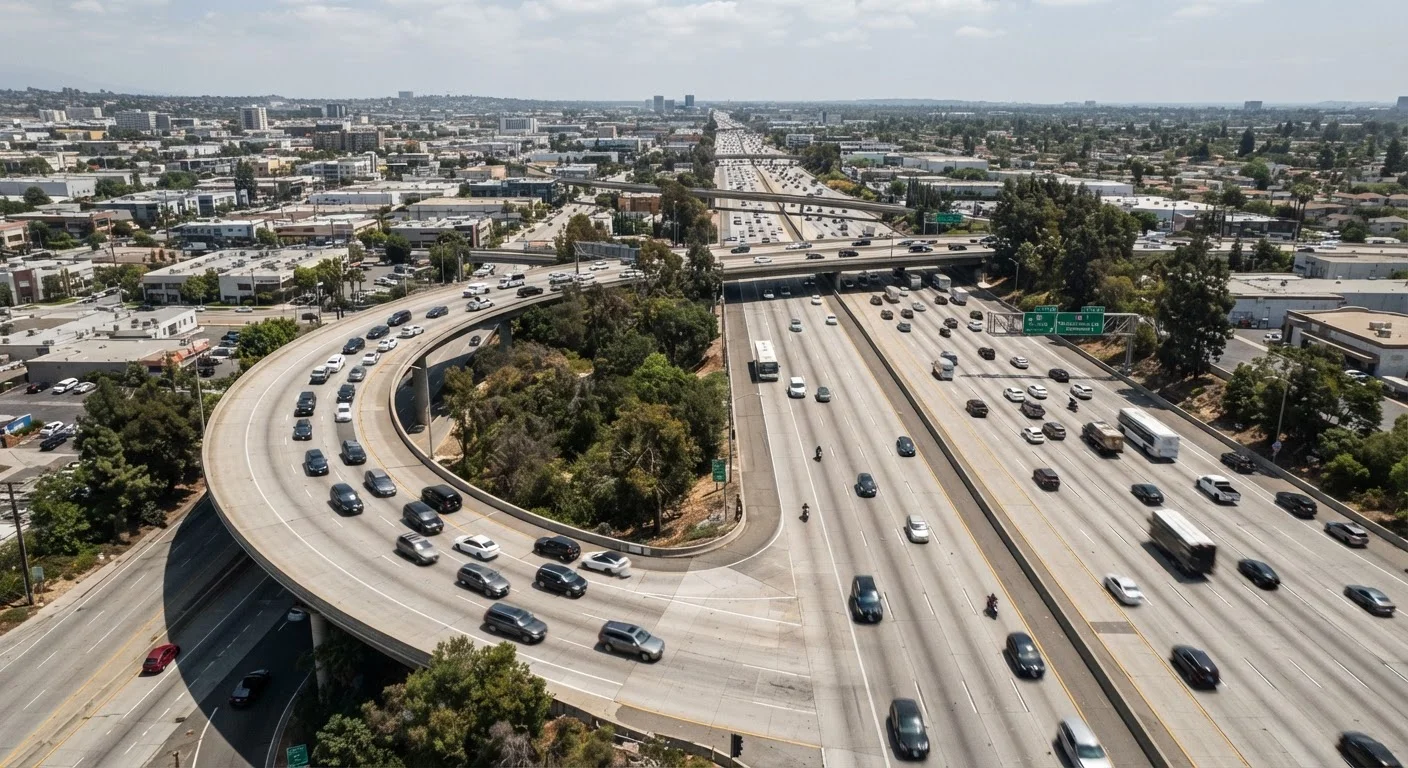
Photo: Online-Searches.net | Explore Insightful Blogs editorial
Key Takeaways
- Failing to match highway speed before merging is the single most dangerous merging mistake.
- Stopping at the end of an on-ramp forces other drivers to react suddenly and creates rear-end risk.
- Using the full length of the acceleration lane gives you the time and space to merge safely.
- Checking mirrors and blind spots before moving over is non-negotiable — every single time.
- Highway drivers share responsibility for smooth merges by creating gaps when it's safe to do so.
Why Merging Goes Wrong So Often
On paper, merging looks straightforward: accelerate, signal, move over. In practice, it's a dynamic coordination task that requires reading multiple vehicles simultaneously while managing your own speed — all in a matter of seconds. Most drivers picked up their merging habits early and have never had reason to revisit them.
The result is that highways are full of on-ramp behaviors that range from mildly disruptive to genuinely dangerous. Understanding why these mistakes happen is the first step to correcting them. The patterns below are consistent regardless of experience level — even longtime drivers repeat some of them habitually. Building sharper merging habits also supports the broader goal of defensive rather than reactive driving.
Entering the highway well below the speed of traffic.
Stopping completely at the end of the on-ramp.
Failing to signal before merging.
Merging without checking blind spots.
Cutting off a highway driver instead of yielding to find a natural gap.
What Good Merging Actually Looks Like
A smooth merge is a cooperative act. The merging driver reads the available gaps early, adjusts speed on the ramp to align with one of those gaps, signals, checks mirrors and blind spots, and glides in with minimal disruption to the vehicles around them. That sequence takes practice, but it becomes automatic with repetition.
~300,000
Annual U.S. merging-related crashes (estimated)
Highway merging and weaving zones are consistently identified by traffic safety researchers as high-crash locations on the U.S. road network.
1 in 4
Rear-end crashes linked to sudden speed changes
Abrupt speed drops — such as stopping on an on-ramp — are a leading factor in rear-end collisions, according to general findings from traffic safety literature.
Highway drivers play a role too. When traffic allows, creating a slightly larger gap for a merging vehicle costs almost nothing in travel time and significantly reduces friction in the merge zone. This isn't just courtesy — it's part of how traffic engineers expect the system to function.
If you're building better habits from the ground up, a pre-trip safety check can also ensure your mirrors, signals, and sight lines are all in order before you reach the highway. And don't overlook the basics: making sure your mirrors are properly set is foundational to safe merging — see how to position mirrors to reduce hidden zones.
Stopping on an On-Ramp Is Dangerous
Merging is one of those skills that separates drivers who understand traffic as a system from those who navigate it reactively. Get comfortable on the ramp, commit to your speed, and trust the gap you've chosen.
The content provided on our blog site traverses numerous categories, offering readers valuable and practical information. Readers can use the editorial team’s research and data to gain more insights into their topics of interest. However, they are requested not to treat the articles as conclusive. The website team cannot be held responsible for differences in data or inaccuracies found across other platforms. Please also note that the site might also miss out on various schemes and offers available that the readers may find more beneficial than the ones we cover.