
Meal Planning for One: Strategies That Don't Leave You Eating the Same Thing All Week

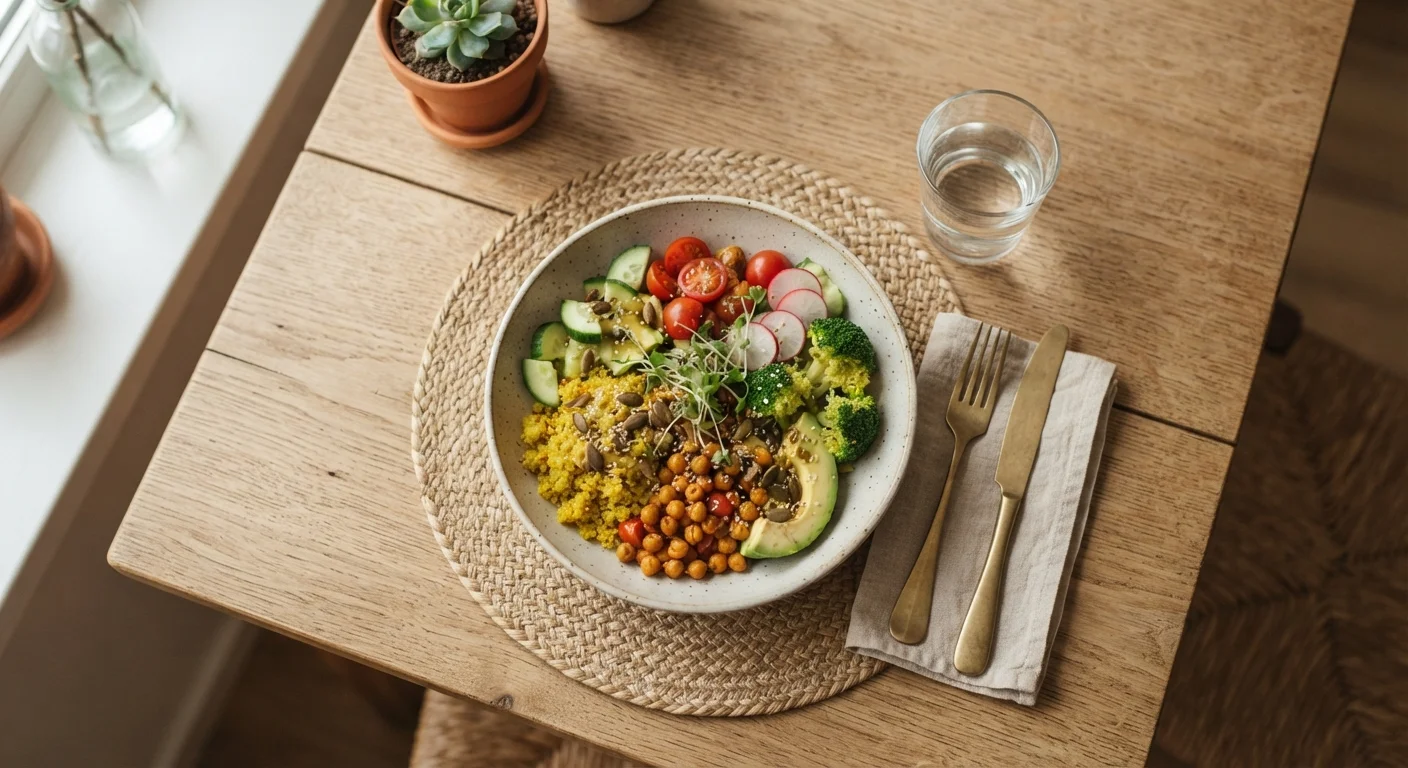
Photo: Online-Searches.net | Explore Insightful Blogs editorial
Key Takeaways
- Plan around a rotating set of versatile ingredients, not individual recipes, to avoid repetition.
- Buying in bulk and portioning for the freezer prevents waste without sacrificing variety.
- A loose weekly structure — not a rigid schedule — is more sustainable for solo eaters.
- Batch-cooking components like grains and proteins gives flexibility without cooking every night.
- Scaling recipes down correctly prevents both food waste and flavor loss.
Why Solo Meal Planning Is Its Own Challenge
Meal planning advice is overwhelmingly written for households. Recipes serve four, bulk-buy guidance assumes a full pantry will be used, and "cook once, eat all week" strategies often result in exactly the monotony solo eaters dread. The challenge isn't motivation — it's that standard frameworks don't map well onto a single person's appetite, schedule, or refrigerator shelf space.
Eating the same meal four nights running isn't just boring; it can quietly narrow the nutritional variety in your diet. The strategies below are built specifically for one-person households, balancing practicality with genuine variety. For a foundation-level look at healthy eating basics, that context is worth having before diving into planning specifics.
What you will need
What You'll Need Before You Start
Solo meal planning doesn't require specialized gear, but a few practical tools make a meaningful difference in reducing waste and staying organized.
Airtight meal prep containers (varied sizes)
Store portioned ingredients and prepped components safely in the fridge or freezer.
Kitchen scale
Helps accurately scale down recipes written for four or more servings.
Freezer-safe zip bags or containers
Preserve bulk purchases and batch-cooked proteins in single-serving portions.
Weekly planning notepad or app
Tracks what you plan to cook and eat to avoid over-buying or forgetting ingredients.
If you find that structured planning still feels like too much overhead, low-effort meal planning approaches offer a lighter framework that may suit your style better.
Step-by-Step: How to Plan Meals for One
Follow these steps in order the first time through. Once the approach feels natural, you'll be able to run through the process in under 20 minutes each week.
Audit what you actually eat in a week
Before writing a single meal plan, spend a few minutes thinking honestly about your current week. How many nights do you cook versus order out or grab something quick? Which meals do you skip? Solo meal planning fails most often when the plan doesn't match real behavior. If you cook three nights but plan for six, you'll generate waste and guilt in equal measure.
Write down a realistic count of how many breakfasts, lunches, and dinners you'll actually prepare at home. This number becomes your planning anchor.
Choose a rotating ingredient roster, not a recipe list
Rather than picking five separate recipes that each need different produce and proteins, choose four to six versatile ingredients that can move across multiple meals. A bag of lentils, a bunch of kale, one carton of eggs, a sweet potato, canned chickpeas, and cooked farro can produce a week's worth of varied, nutritious meals without repetition.
This is the core of ingredient-based planning — starting from what's on hand rather than a prescriptive recipe list. Rotating two or three proteins and two or three vegetables through different preparations (roasted, sautéed, raw, souped) delivers variety without adding complexity.
Buy for the freezer, not just the fridge
Many single-serving shoppers overbuy perishables and then race the clock to use them. The fix is intentional freezer use. Purchase proteins like chicken thighs, ground turkey, or fish in bulk, then divide and freeze them in individual portions immediately after unpacking groceries. Bread, legumes, and even cooked grains freeze well.
This approach supports budget-conscious meal planning too — bulk buying is almost always more economical, and freezing removes the time pressure that leads to waste.
Batch-cook components, not complete meals
Cooking a full batch of roasted vegetables, a pot of grains, and a simple protein at the start of the week is more flexible than making five identical complete meals. Components can be combined differently each day: farro with roasted squash and a fried egg on Monday, farro with chickpeas and tahini dressing on Wednesday, squash folded into a quick soup on Thursday.
This approach keeps the week feeling varied even though prep happens once. It also makes it easier to eat around your schedule — mix and match rather than commit to a specific meal on a specific night.
Scale recipes down deliberately
Most recipes serve four. When halving or quartering a recipe, scaling isn't always as straightforward as simple math — cooking times may shorten, and seasoning often needs to be adjusted slightly rather than divided exactly. A quarter-recipe soup may need proportionally less salt than the math suggests. Taste as you go and adjust.
For baked goods and dishes with precise ratios (like rice or grains), a kitchen scale makes scaling more reliable than volume measurements. If a recipe is genuinely too large to scale down practically, cook the full batch and freeze portions.
Build a loose weekly structure, not a rigid schedule
Assign meal types to days rather than specific dishes — for example, "Monday is a grain bowl, Wednesday is a soup or stew, Friday is eggs." This reduces decision fatigue without locking you into meals you may not feel like eating. If your plan tends to unravel mid-week, a loose structure is far more resilient than a detailed schedule.
Give yourself one or two intentional flex nights for leftovers, takeout, or whatever's nearly past its prime in the fridge. Planning for flexibility is still planning.
Variety Doesn't Require More Ingredients
Troubleshooting Common Solo Planning Problems
"I always have produce going bad before I use it." This usually means the plan is too ambitious or the produce choices are too fragile. Prioritize heartier vegetables — cabbage, carrots, beets, winter squash — that hold for a week without degrading. Reserve delicate greens and berries for the first half of the week.
"I get bored and just order food instead." This is a signal that your ingredient roster needs more flavor variety, not more ingredients. Different cuisines use the same core vegetables in completely different ways. Try building one meal around a cuisine you don't typically cook — it resets the week's eating without complicating the grocery list. For context on why plans often fall apart, see why meal plans collapse mid-week.
"Buying in small quantities feels expensive." It often is. The fix is strategic: buy shelf-stable and freezer-friendly items in larger quantities, and reserve small purchases for fresh produce and dairy. This is the same principle behind budget-first meal planning.
Watch for Nutritional Gaps When Eating Solo
This article is for general informational purposes only and does not constitute medical or dietary advice. Consult a qualified healthcare professional or registered dietitian for guidance specific to your health needs.
The content provided on our blog site traverses numerous categories, offering readers valuable and practical information. Readers can use the editorial team’s research and data to gain more insights into their topics of interest. However, they are requested not to treat the articles as conclusive. The website team cannot be held responsible for differences in data or inaccuracies found across other platforms. Please also note that the site might also miss out on various schemes and offers available that the readers may find more beneficial than the ones we cover.