
Planning Meals Around a Grocery Budget Without Sacrificing Nutrition

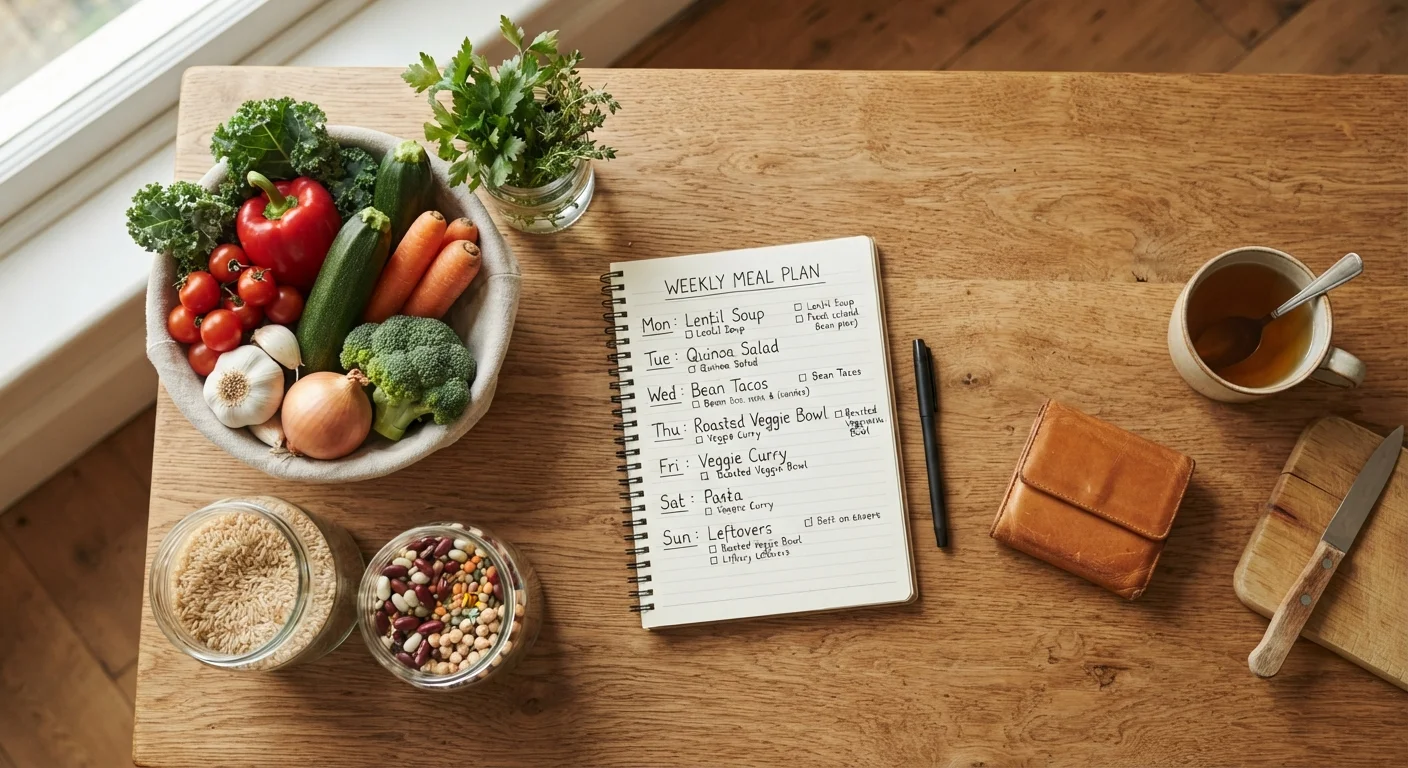
Photo: Online-Searches.net | Explore Insightful Blogs editorial
Key Takeaways
- Setting a firm weekly grocery budget before planning meals keeps spending predictable and prevents impulse purchases.
- Affordable pantry staples like dried legumes, whole grains, and frozen vegetables deliver strong nutritional value per dollar.
- Planning meals around overlapping ingredients reduces food waste and stretches each shopping trip further.
- Checking what you already own before writing a list prevents duplicate purchases and mid-week scrambles.
- Batch cooking a few base ingredients — not entire meals — gives flexibility without requiring hours of weekend prep.
Why Budget-First Planning Works Better Than Recipe-First Planning
Most people approach meal planning by browsing recipes until something looks appealing, then building a grocery list from whatever those recipes require. This method is enjoyable but reliably expensive — it generates long lists of ingredients with limited overlap, many of which get used once and forgotten in the back of the refrigerator.
Budget-first planning reverses this sequence. You set the financial constraint upfront, choose a core group of affordable, nutritious ingredients that fit within it, and then build meals around those ingredients. The result is a shorter grocery list, higher ingredient utilization, and a week's worth of meals that actually fit your real financial life — not an idealized version of it.
This approach also aligns naturally with the principles behind building a nutritionally balanced grocery list — because anchoring meals in whole grains, legumes, eggs, and vegetables is both the nutritional recommendation and the budget-smart choice.
Nutrition Should Not Be the Trade-Off
For households balancing multiple schedules or dietary preferences, the same budget discipline applies — see our guide on family meal planning with different food preferences for how to adapt this framework.
What you will need
Tools That Make the Process Easier
Weekly meal planning template
Maps out breakfasts, lunches, and dinners for the week so you can spot ingredient overlaps before shopping.
Grocery list organized by store section
Keeps your shopping trip efficient and reduces the chance of adding unplanned items.
Kitchen scale or measuring cups
Helps portion dry staples accurately, reducing over-purchasing and waste.
Freezer-safe containers
Allow you to batch-cook and freeze base ingredients for use across multiple meals during the week.
You do not need specialized software or a subscription service to plan meals on a budget. A simple weekly template — even a hand-drawn grid on paper — combined with an organized grocery list covers the essentials. The goal is to have one place where your meals and your shopping list connect visually, so ingredient overlaps are obvious before you write anything down.
Step-by-Step: How to Plan Budget Meals Without Losing Nutrition
The Pantry-First Rule Saves Money Consistently
Set your grocery budget before you plan a single meal
Decide on a firm weekly dollar amount based on your household size and income — not on what you think meals will cost. This number becomes the ceiling everything else fits within. Writing it down before you open any recipe app or grocery store website keeps the constraint visible and real throughout the planning process.
Audit your pantry, fridge, and freezer first
Before planning anything new, take a full inventory of what you already own. Note items nearing their use-by date — these become your highest-priority ingredients. Building one or two meals around existing stock each week is one of the fastest ways to lower your actual spending without changing what you eat.
Choose four to six affordable nutritional anchor ingredients
Select a small group of budget-friendly, nutritionally dense foods that will anchor most of your meals for the week. Good candidates include dried lentils or canned beans, eggs, oats, frozen vegetables, canned tomatoes, brown rice or whole-grain pasta, and canned fish. These foods are low in cost per serving, high in protein or fiber, and flexible enough to appear across multiple dishes without repetition feeling obvious.
Plan meals that share ingredients across the week
Design your weekly meals so that one ingredient appears in multiple dishes. A large batch of cooked brown rice, for instance, becomes a grain bowl on Tuesday, a stir-fry base on Thursday, and a simple side on Saturday. A bunch of kale used in a soup also contributes to a frittata and a salad. This cross-utilization approach reduces the number of distinct items on your list, which directly reduces both cost and waste.
Aim for a plan with roughly five to six dinners and scalable breakfasts and lunches rather than trying to script every single meal. Rigidly over-planned weeks often collapse mid-Wednesday when life intervenes. For a more flexible framework, see our article on low-effort meal planning approaches.
Write a structured grocery list and stick to it
Translate your meal plan into a list organized by store section — produce, dry goods, dairy, frozen, protein. This reduces browsing time and the exposure to unplanned purchases that accumulates with each extra aisle you wander. Cross off pantry items you already have so you are only listing genuine needs. Our pre-shop checklist walks through this process in detail.
Batch-cook two or three base ingredients after shopping
Rather than prepping entire meals, cook a few foundational components in larger quantities — a pot of grains, a batch of roasted vegetables, a big portion of legumes. These become building blocks you assemble quickly throughout the week. This approach costs no more than cooking meal by meal but dramatically reduces the number of times you need to cook from scratch, which in turn lowers the temptation to order takeout on busy evenings.
Review, adjust, and repeat weekly
At the end of each week, spend five minutes noting what worked and what didn't. Which ingredients went unused? Which meals felt too time-consuming to actually make? Which were crowd-pleasers worth repeating? This brief reflection loop helps you refine your system over time rather than starting from scratch each week. Consistent improvement — not perfection — is what makes budget meal planning sustainable.
Avoid Planning on an Empty Stomach
Common Pitfalls That Undercut Budget Meal Planning
Even a well-designed plan unravels when a few predictable habits creep in. The most common are over-planning variety (building a week with seven completely different dinners generates a long, expensive ingredient list), under-using the freezer (cooked staples stored properly extend your planning flexibility without extra cost), and skipping the weekly review (without feedback, the same purchasing mistakes repeat indefinitely).
If strict weekly planning feels too rigid for your lifestyle, a hybrid approach — planning only dinners and keeping breakfasts and lunches flexible with stocked staples — is a reasonable middle ground. For readers who find any kind of structured planning difficult to sustain, our article on flexible meal planning for reluctant planners covers lower-commitment approaches that still reduce spending and food waste.
This article is for general informational purposes only and does not constitute dietary or medical advice. Individuals with specific health conditions or nutritional needs should consult a registered dietitian or qualified healthcare provider.
The content provided on our blog site traverses numerous categories, offering readers valuable and practical information. Readers can use the editorial team’s research and data to gain more insights into their topics of interest. However, they are requested not to treat the articles as conclusive. The website team cannot be held responsible for differences in data or inaccuracies found across other platforms. Please also note that the site might also miss out on various schemes and offers available that the readers may find more beneficial than the ones we cover.