
Building a Grocery List That Supports Balanced Eating All Week

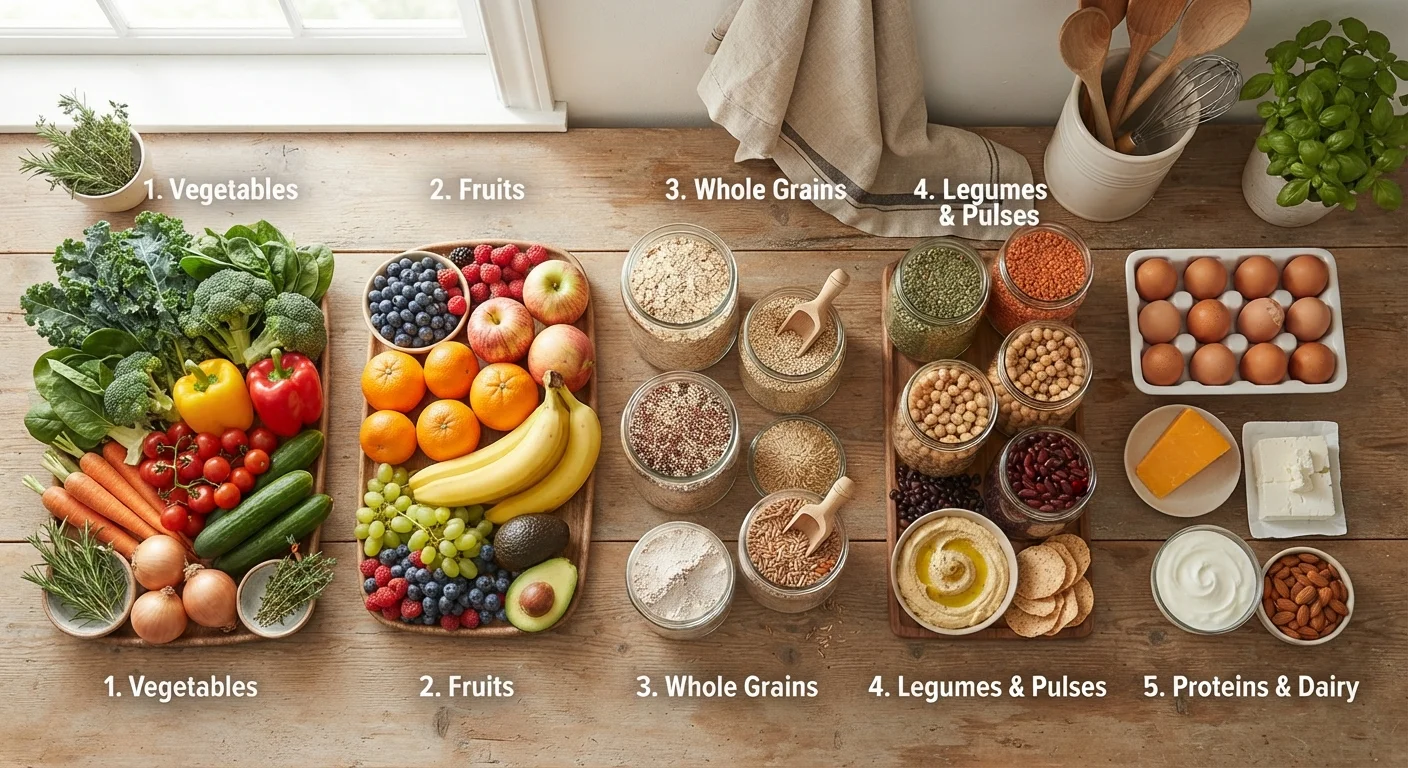
Photo: Online-Searches.net | Explore Insightful Blogs editorial
Key Takeaways
- Organizing your list by nutrient group helps ensure no major food category gets overlooked.
- Stocking versatile staples reduces mid-week decisions and limits food waste.
- Whole, minimally processed foods in each category cover the most nutritional ground.
- A balanced grocery list supports varied meals without requiring a complex meal plan.
- Consulting a registered dietitian is worthwhile if you have specific dietary health needs.
Why Your Grocery List Is Your First Nutrition Decision
Every food choice you make during the week traces back to what came home from the store. A grocery list built around nutritional balance — rather than habit or impulse — quietly does the work of supporting better eating before you ever open the refrigerator.
This checklist organizes your shop around the major nutrient categories: vegetables, fruits, proteins, whole grains, healthy fats, and dairy or dairy alternatives. It isn't a rigid meal plan. It's a structure that gives you enough variety and coverage to build a week's worth of balanced meals from what's already in your kitchen.
If you're newer to the meal planning side of things, the Complete Starting Point for Busy Adults walks through how to connect your grocery list to an actual weekly plan. And for a broader look at how the shopping trip fits into the whole food cycle, see The Weekly Meal Planning Playbook.
Pantry inventory list
Helps you track what staples you already have so you don't overbuy or forget essentials.
Grocery store layout map (store app or memory)
Organizing your list by store section saves time and prevents backtracking through aisles.
Reusable bags or containers
Useful for bulk bin purchases of grains, nuts, or seeds — often more affordable and flexible in quantity.
Nutrition label reference (USDA FoodData Central or similar)
Helps you compare nutrient content between similar products when reading labels feels confusing.
How to Use This Checklist
Work through each category before you shop — not as you wander the aisles. Check what you already have at home, note what's running low, and add to your list accordingly. The goal is coverage across all groups, not perfection within any single one.
Prioritize items marked must to ensure your kitchen has reliable, nutritious foundations. Items marked should add variety and depth. Nice-to-have items make meals more interesting but won't undermine balance if they're skipped.
If you're working within a tighter budget, budget-first meal planning can help you prioritize without sacrificing nutritional coverage. Those following a specific eating approach — whether plant-based, gluten-free, or otherwise — may also want to cross-reference with the Special Diet Transition Checklist to adapt these categories to their needs.
Variety Matters More Than Perfection
Once you've gathered your list, run it through the pre-shop checklist to catch duplicates, forgotten staples, and anything that could cause a mid-week scramble.
Vegetables
Fruits
Proteins
Whole Grains
Healthy Fats
Dairy or Dairy Alternatives
This article provides general nutrition education and is not a substitute for personalised medical or dietary advice. If you have specific health conditions or dietary requirements, consult a registered dietitian or qualified healthcare professional.
The content provided on our blog site traverses numerous categories, offering readers valuable and practical information. Readers can use the editorial team’s research and data to gain more insights into their topics of interest. However, they are requested not to treat the articles as conclusive. The website team cannot be held responsible for differences in data or inaccuracies found across other platforms. Please also note that the site might also miss out on various schemes and offers available that the readers may find more beneficial than the ones we cover.