
Before You Grocery Shop: A Meal Planning Checklist That Saves Time and Money

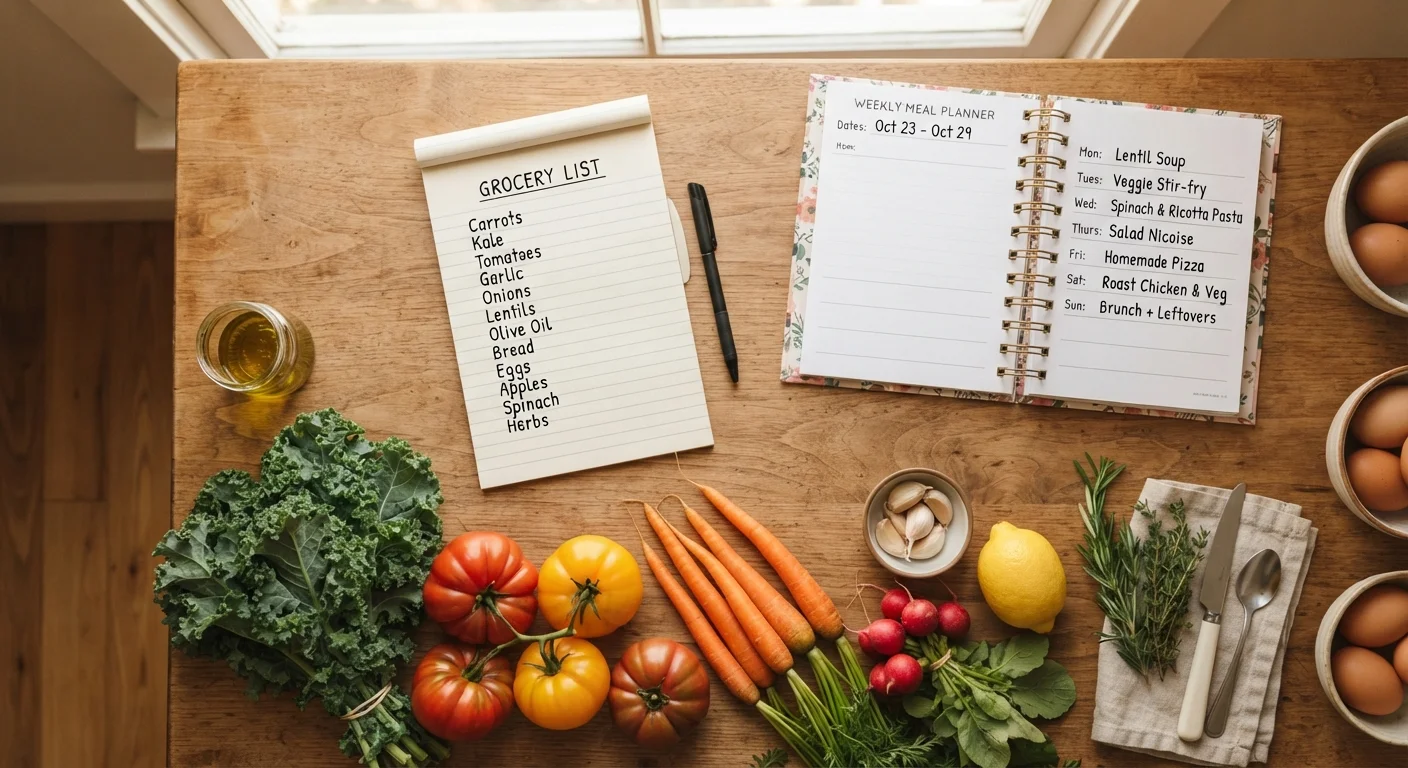
Photo: Online-Searches.net | Explore Insightful Blogs editorial
Key Takeaways
- Checking your fridge, freezer, and pantry before planning meals prevents duplicate purchases and food waste.
- Mapping meals to your actual week — not an ideal one — helps you stay realistic and avoid takeout spending.
- A categorized grocery list organized by store section saves time and reduces impulse buys.
- Knowing your weekly budget before you plan meals shapes better, more sustainable food choices.
- Nutritional balance is easier to maintain when protein, produce, and grains are planned together in advance.
Why a Pre-Shop Checklist Actually Works
Most grocery overspending and food waste trace back to the same root cause: shopping without a clear picture of what you already have or what you actually need. A systematic pre-shop routine closes that gap. It takes 15 to 30 minutes and typically pays for itself within a single week in reduced impulse buys and fewer forgotten ingredients.
This checklist is built for busy adults who want to eat well consistently — not perfectly. If you're newer to the practice, our beginner's guide to meal planning covers the foundational concepts before you run through the steps below. For a broader week-to-week system, the weekly meal planning playbook walks every stage of the food cycle.
Run this checklist in order — each step feeds into the next.
Weekly meal planner template (paper or digital)
Gives you a visual grid to map meals to specific days, making the planning step faster and more reliable.
Grocery list app or notepad
Used to build and organize your shopping list by store section before you leave home.
Kitchen inventory sheet or notes app
Helps you record what's already in your fridge, freezer, and pantry during the audit step.
Simple budgeting tool or calculator
Lets you estimate grocery costs against your weekly budget before finalizing your list.
The Pre-Shop Checklist
Work through each group before writing a single item on your grocery list. The sequence matters: auditing what you have before planning meals prevents you from buying duplicates of things already in the pantry.
Audit Your Kitchen First
Set Your Week's Parameters
Plan Your Meals
Build Your Grocery List
Final Check Before You Leave
Don't Skip the Kitchen Audit
Once your meals are mapped and your list is built, cross-reference it with your budget. Planning meals around a grocery budget explains how to prioritize affordable, nutrient-dense staples when spending is tight. And if your audit reveals a well-stocked pantry, ingredient-based planning shows how to build meals from what you already own before adding anything new to the cart.
For guidance on making sure your list covers all major nutrient groups, see building a grocery list that supports balanced eating.
The content provided on our blog site traverses numerous categories, offering readers valuable and practical information. Readers can use the editorial team’s research and data to gain more insights into their topics of interest. However, they are requested not to treat the articles as conclusive. The website team cannot be held responsible for differences in data or inaccuracies found across other platforms. Please also note that the site might also miss out on various schemes and offers available that the readers may find more beneficial than the ones we cover.