
Meal Planning for People Who Don't Like Meal Planning

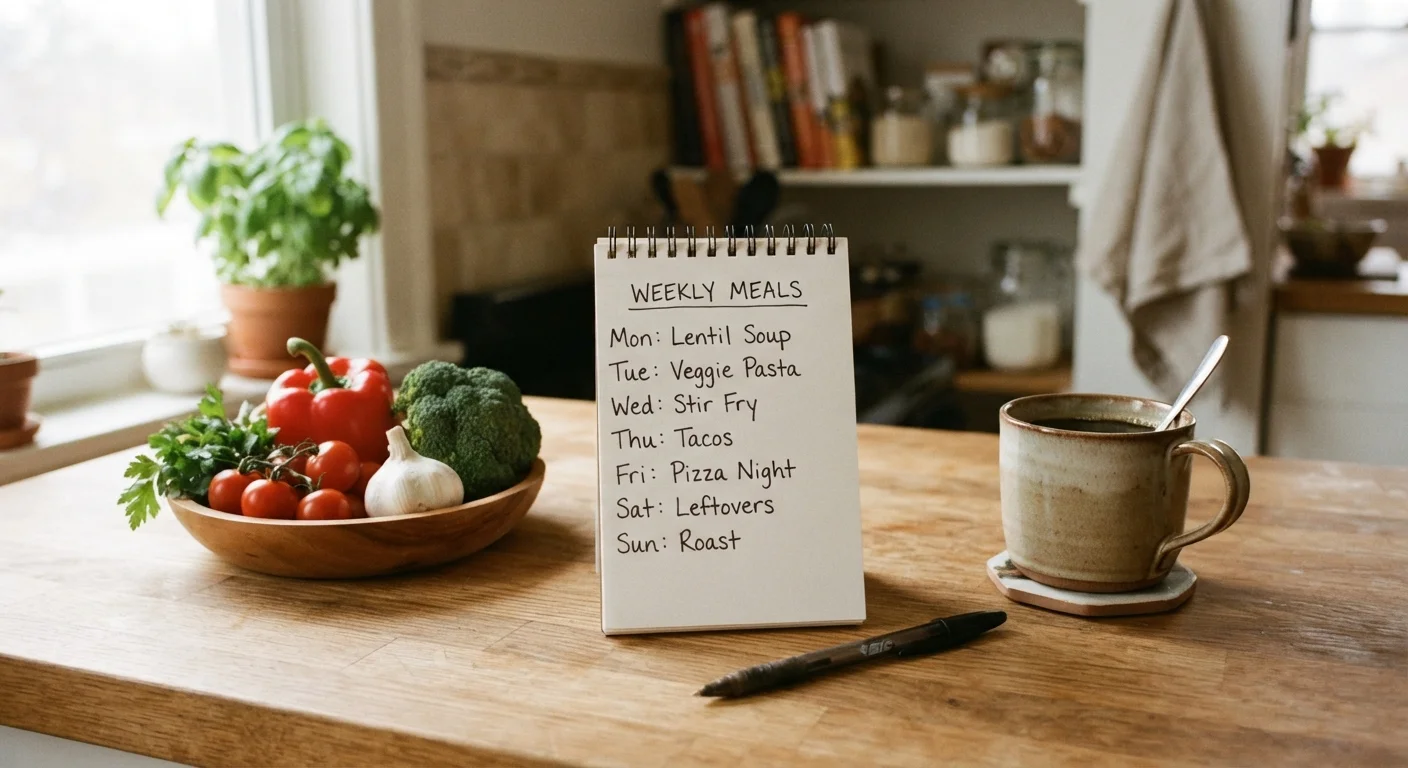
Photo: Online-Searches.net | Explore Insightful Blogs editorial
Key Takeaways
- Meal planning works best when it's flexible, not rigid — categories and themes beat detailed daily menus.
- Decision fatigue is the main problem meal planning solves; reducing choices is more important than perfection.
- A short weekly anchor routine of 15–20 minutes is enough to meaningfully reduce daily food stress.
- Ingredient-first thinking and a reliable pantry reduce the need for detailed weekly plans.
- You don't have to plan every meal — even planning three or four reduces daily friction significantly.
Why Most Meal Planning Advice Doesn't Stick
The standard meal planning pitch — sit down Sunday, map out seven dinners, prep containers, repeat — works for some people. For many others, it creates more stress than it solves. Life changes. Cravings shift. Schedules collapse on a Tuesday.
The real purpose of meal planning isn't to lock in a calendar. It's to reduce the number of decisions you have to make when you're already hungry or tired. As our breakdown of what meal planning actually means explains, the term covers a wide range of approaches — from a full weekly schedule down to simply knowing what's in your fridge before you shop.
If rigid plans have failed you before, that's not a personal shortcoming. Research on habit formation consistently shows that systems requiring high willpower or perfect conditions are the first to break down. Lower the bar, and consistency becomes much more achievable.
Good Enough Is the Goal
What You Need Before You Start
This approach requires almost no special equipment. What matters more is clarifying two things: which meals cause you the most daily friction (usually dinner), and roughly how many nights per week you actually cook. Be honest — not aspirational.
What you will need
Notepad or phone notes app
For jotting your weekly meal categories and grocery list in one place.
Weekly calendar (digital or paper)
For checking how many evenings you'll realistically be home to cook.
Pantry inventory list
A running note of what staples you have on hand so you shop to fill gaps, not duplicate.
A Flexible Step-by-Step Approach
The steps below are designed to be lightweight and adaptable. Skip any that don't fit your life — partial planning is still planning. For a more comprehensive framework, see the weekly meal planning playbook.
Pick your planning window — and keep it short
Choose one 15–20 minute slot each week, ideally before your usual grocery shop. This isn't a cooking session or a deep-dive into recipes. It's a quick scan of the week ahead: how many nights will you realistically cook, and what's already in the fridge or pantry that needs using?
Plan meal categories, not specific meals
Instead of committing to "lemon herb chicken on Wednesday," plan a category: protein + vegetable + grain, or simply pasta night. This preserves variety and spontaneity while still giving you a shopping framework. Themed nights — like taco Tuesday or stir-fry Thursday — work on the same principle.
Build a short, category-based grocery list
With your meal categories in mind, write a grocery list organized by food type rather than by recipe. Pick one or two proteins, a few vegetables (fresh or frozen), a pantry carbohydrate, and anything you're running low on. This approach means even if you swap meals mid-week, the ingredients still work.
Identify your one high-friction meal of the week
Most people have one meal that consistently falls apart — often a weeknight dinner after a long workday. Identify it and pre-decide it completely: know exactly what you're making and that you have everything on hand. For every other meal, keep the category-level flexibility from Step 2.
Do a brief mid-week check-in
On Wednesday or Thursday, spend five minutes checking what's left in the fridge and what needs to be used. Adjust your remaining meal categories based on what's there. This one habit dramatically reduces food waste and keeps the plan aligned with reality rather than what you optimistically planned on Sunday.
Common Pitfalls and How to Sidestep Them
The most common mistake is over-planning. Assigning a specific meal to every night of the week sounds organized, but it leaves no room for leftovers, takeout, or the nights when you genuinely can't face cooking. Flexible templates consistently outperform rigid plans in real-world adherence, precisely because they bend without breaking.
A second common trap is confusing meal planning with meal prepping. You don't have to cook anything in advance for this system to work. Planning what you'll make is separate from preparing it early — and keeping them separate makes both feel less overwhelming. Common meal prep myths often blur this line in ways that discourage people before they start.
Finally, don't underestimate the pantry. When you have reliable staples on hand — canned beans, pasta, eggs, frozen vegetables, a few sauces — many meals effectively plan themselves. Building meals around what you already have is one of the most practical ways to reduce both planning effort and grocery waste.
Don't Let Planning Become Another Chore
This article is for general informational and educational purposes only. It is not a substitute for advice from a qualified healthcare or nutrition professional. If you have specific dietary needs or health conditions, consult a registered dietitian or your healthcare provider before making significant changes to your eating habits.
The content provided on our blog site traverses numerous categories, offering readers valuable and practical information. Readers can use the editorial team’s research and data to gain more insights into their topics of interest. However, they are requested not to treat the articles as conclusive. The website team cannot be held responsible for differences in data or inaccuracies found across other platforms. Please also note that the site might also miss out on various schemes and offers available that the readers may find more beneficial than the ones we cover.