
Rigid Meal Plans vs. Flexible Templates: What Works Better Long-Term

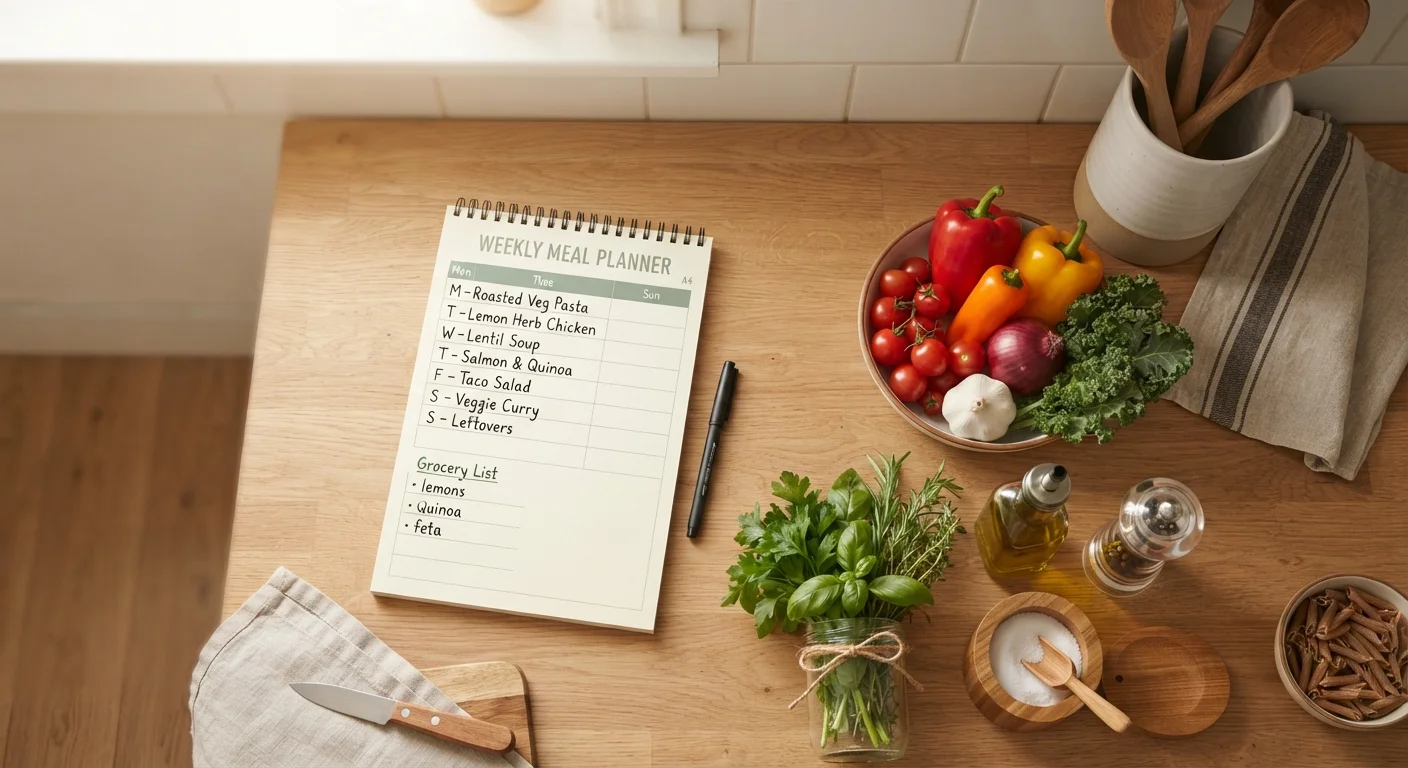
Photo: Online-Searches.net | Explore Insightful Blogs editorial
Key Takeaways
- Rigid meal plans offer structure but often collapse under the pressure of real-life unpredictability.
- Flexible templates set a framework — ingredients, protein types, meal categories — without locking in exact meals.
- Research on dietary adherence consistently shows that sustainability beats precision over the long term.
- Flexible templates tend to reduce food waste and overspending by allowing ingredient substitutions.
- The best approach is the one you can maintain consistently through busy weeks, travel, and schedule changes.
Defining the Two Approaches
A rigid meal plan specifies exactly what you eat at every meal, every day — Monday's lunch is grilled chicken with brown rice and broccoli, full stop. It removes daily decisions entirely and can feel reassuringly organized at first glance. As meal planning itself is often misunderstood, rigid plans represent just one end of a wide spectrum.
A flexible template, by contrast, sets guardrails without dictating specifics. You might decide that Mondays are a grain bowl night, Tuesdays feature a legume-based protein, and Thursdays are for sheet-pan dinners — but the exact ingredients shift based on what's in season, on sale, or already in your refrigerator. Themed dinner nights and protein anchors are a practical example of this approach in action.
Where Rigid Plans Succeed — and Struggle
Rigid plans genuinely help in narrow circumstances: supervised medical nutrition therapy, structured athletic periodization, or short-duration elimination protocols where consistency is clinically necessary. In those contexts, precision matters and external accountability usually supports adherence.
For everyday adults, however, rigid plans carry predictable failure points:
- Life interruptions: One unexpected dinner out or an ingredient that's out of stock can derail the entire week's plan, triggering an all-or-nothing response in many people.
- Flavor fatigue: Eating identical meals repeatedly reduces variety, which can undermine both enjoyment and nutritional breadth.
- Food waste: Rigid shopping lists don't flex when produce is past its prime or pantry staples run low at different rates than anticipated.
- Cognitive burden: Designing a new exact plan each week is time-consuming, and many people abandon the habit within a few weeks.
Rigid Plans and All-or-Nothing Thinking
It's worth noting that some people find very structured eating frameworks helpful for managing anxiety around food choices. If that resonates with you, exploring structured dietary approaches alongside a registered dietitian is a reasonable path — professional guidance makes a meaningful difference.
Why Flexible Templates Hold Up Over Time
Nutrition science consistently points toward adherence — not perfection — as the key variable in long-term dietary outcomes. A flexible template lowers the cost of a disrupted day: if Tuesday's planned salmon is unavailable, any other lean protein fits the framework just as well. The week stays on track rather than collapsing.
Practical advantages compound over time:
- Less food waste: Templates allow you to work with what you have rather than discarding ingredients that don't match a fixed recipe.
- Budget flexibility: Swapping proteins or produce based on what's affordable that week is built into the system, not a deviation from it.
- Lower decision fatigue: You're choosing within a defined category, not from an open-ended menu — which is meaningfully easier. Flexible, low-effort approaches are specifically designed to reduce this mental load.
- Nutritional variety: Rotating ingredients within consistent meal types — grain bowls, stir-fries, soups — naturally supports a broader nutrient intake.
Start with Three Anchor Nights
How to Build a Template That Works for You
A functional flexible template takes about 20 minutes to set up once. Start by assigning meal categories to each weeknight rather than specific recipes — for instance: a vegetable-forward pasta, a protein + grain + vegetable bowl, a soup or stew, and a quick assembly meal (tacos, wraps, grain salads). Weekends can remain fully open.
From there, keep a rotating list of 8–10 ingredients per category that your household reliably enjoys. Each week, shop within those categories based on what looks good and what's priced reasonably. A structured weekly planning approach can help you connect this template to your grocery list and prep schedule efficiently.
Finally, anchor the template to a few non-negotiable principles rather than specific foods — such as including a vegetable at every dinner, varying protein sources across the week, or keeping a starch-free option available a few nights. These principles, explored further in building a balanced plate, provide nutritional consistency without requiring meal-by-meal precision.
This article is for general informational purposes only and does not constitute medical or dietary advice. If you have specific health conditions or nutritional needs, consult a registered dietitian or qualified healthcare professional.
The content provided on our blog site traverses numerous categories, offering readers valuable and practical information. Readers can use the editorial team’s research and data to gain more insights into their topics of interest. However, they are requested not to treat the articles as conclusive. The website team cannot be held responsible for differences in data or inaccuracies found across other platforms. Please also note that the site might also miss out on various schemes and offers available that the readers may find more beneficial than the ones we cover.