
Building a Balanced Plate: Practical Principles That Hold Up Over Time

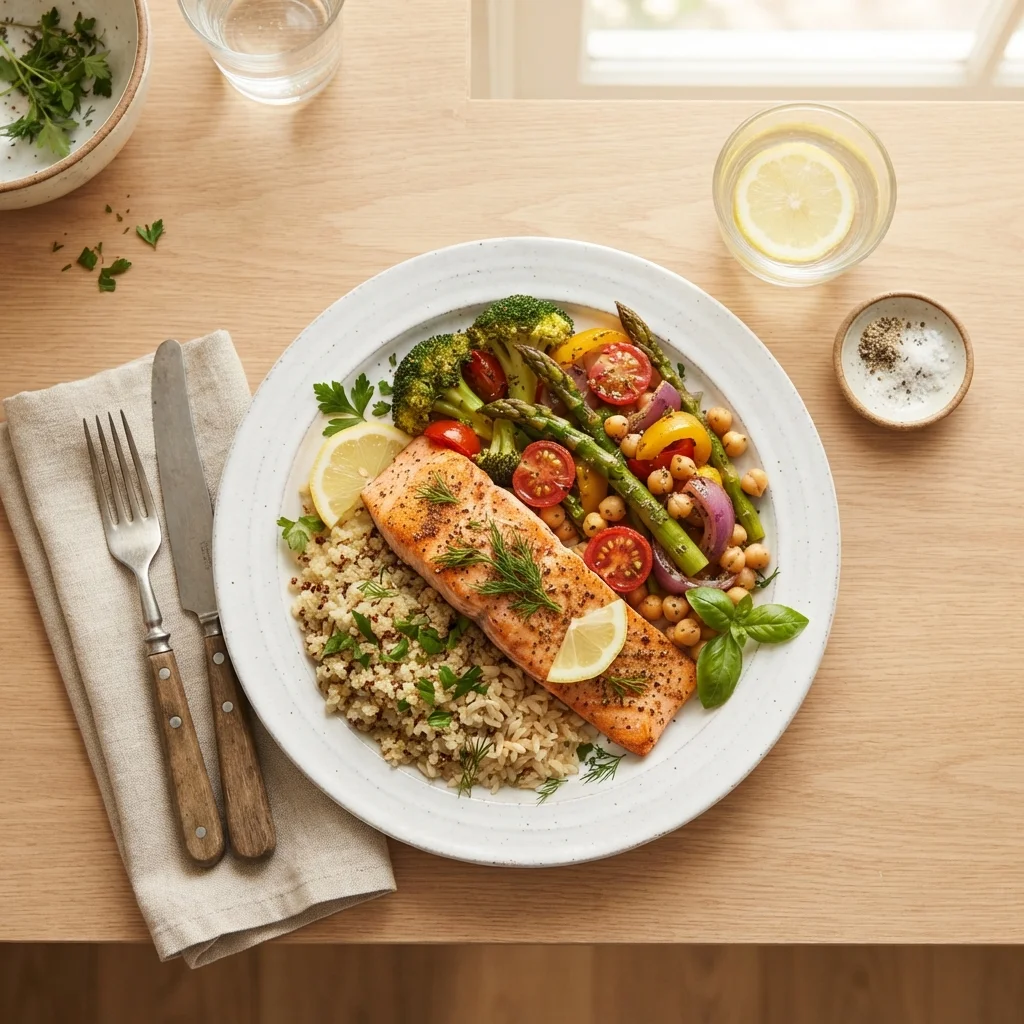
Photo: Online-Searches.net | Explore Insightful Blogs editorial
Key Takeaways
- Most lasting nutrition guidance centers on food patterns, not individual superfoods or elimination rules.
- Prioritizing vegetables, whole grains, and varied protein sources covers the majority of evidence-backed nutritional bases.
- Flexibility and consistency matter more than rigid adherence to any single dietary system.
- Highly processed foods are worth limiting, but context and overall diet quality matter more than single-food rules.
- Hydration and mindful eating habits are foundational but frequently overlooked components of a balanced diet.
Why Diet Trends Come and Go — But Certain Principles Stick
Every few years, a new dietary framework captures public attention — low-fat, low-carb, plant-based, carnivore, intermittent fasting. Many of these approaches contain real nutritional insight, but they often get presented as the single correct way to eat, which creates confusion rather than clarity.
What nutrition researchers consistently find across decades of evidence is that overall dietary patterns matter far more than any one food, macronutrient ratio, or meal timing rule. The principles outlined here aren't tied to any brand of eating — they emerge repeatedly in large-scale research linking food habits to long-term health. For a deeper look at how structured approaches compare, see our guide to finding the right dietary approach for your actual life.
If you want a clear picture of what a balanced meal looks like in practice before diving into principles, what a balanced plate actually looks like is a useful companion read.
The Core Practices Worth Building Your Plate Around
The following practices reflect a broad consensus in nutrition science. They are intentionally flexible — they can fit vegetarian, omnivore, and culturally diverse eating styles alike.
Fill at least half your plate with non-starchy vegetables and fruits at most meals.
Choose whole grains over refined grains most of the time.
Vary your protein sources rather than relying on one category.
Limit ultra-processed foods rather than targeting individual ingredients.
Use water as your primary beverage and be consistent about hydration.
Eat with enough attention to recognize hunger and fullness cues.
For a more comprehensive look at these foundations in everyday American context, the Nutrition for Everyday Americans overview is a strong starting point.
Quick Steps You Can Take at Your Next Meal
Knowing the principles is a start — translating them into habit is where most people benefit from a nudge. These actions are small enough to implement immediately but meaningful enough to shift your pattern over time.
If weekly food planning feels like the missing link, meal planning from scratch offers a practical entry point for busy adults.
Putting It All Together Without Overthinking It
A balanced plate doesn't demand nutritional expertise or a rigid meal schedule. The eating patterns with the strongest long-term research support — including Mediterranean-style and DASH-style approaches — share a common architecture: plenty of vegetables and fruits, whole grains, varied protein sources, and limited ultra-processed foods. For a closer look at one well-researched example, see the DASH diet's origins and evidence base.
“The best diet is one you can maintain over time. Adherence to a healthy eating pattern matters more than which specific pattern you choose.”
— Walter Willett, Professor of Epidemiology and Nutrition, Harvard T.H. Chan School of Public Health
Flexibility is not a compromise — it's part of what makes a pattern sustainable. If a particular meal falls short of the ideal, the next meal is an opportunity to rebalance. Consistency across weeks and months matters more than perfection at any single sitting. For readers who want to explore how protein fits into different eating styles, protein sources across different eating patterns breaks down the options clearly.
This article is for general informational and educational purposes only and does not constitute medical or nutritional advice. Consult a qualified healthcare professional or registered dietitian for guidance tailored to your individual health needs.
The content provided on our blog site traverses numerous categories, offering readers valuable and practical information. Readers can use the editorial team’s research and data to gain more insights into their topics of interest. However, they are requested not to treat the articles as conclusive. The website team cannot be held responsible for differences in data or inaccuracies found across other platforms. Please also note that the site might also miss out on various schemes and offers available that the readers may find more beneficial than the ones we cover.