
Themed Dinner Nights and Other Structures That Make Weekly Menus Easier

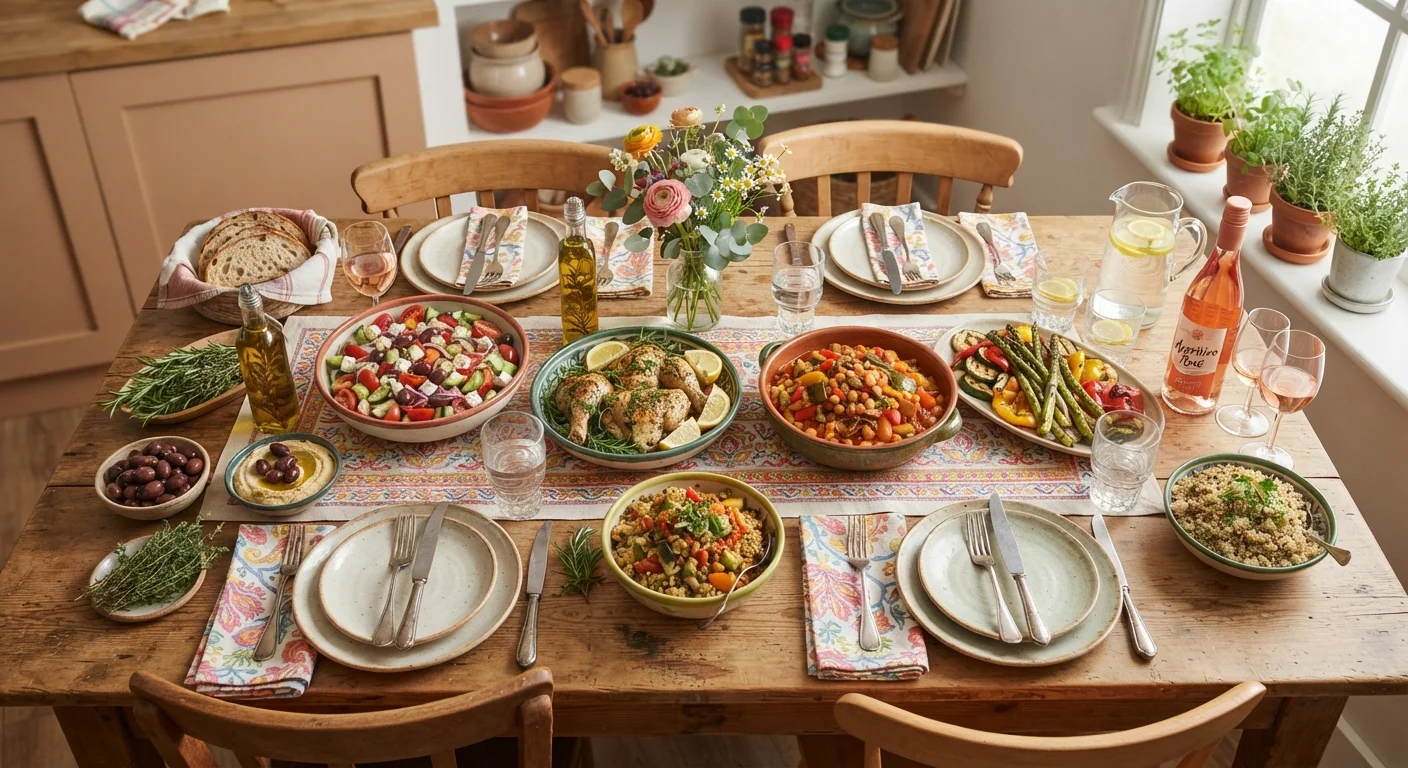
Photo: Online-Searches.net | Explore Insightful Blogs editorial
Key Takeaways
- Assigning recurring themes to weeknights eliminates daily decision fatigue without locking you into rigid menus.
- A protein anchor strategy reduces grocery list complexity and stretches ingredients across multiple meals.
- Flexible frameworks — not strict schedules — are what make weekly meal planning sustainable long-term.
- Even one or two structural anchors per week can significantly reduce stress and food waste.
- Themed nights make it easier to involve the whole household in planning and cooking.
Why Structure Beats Willpower at the Dinner Table
Most people don't struggle with dinner because they lack cooking skills or motivation. They struggle because they're making the same decision — what do we eat tonight? — from scratch, every single day, usually at the most tired point of their day. That repeated low-stakes decision accumulates into real mental load over time.
The good news: you don't need a rigid, color-coded meal plan to escape this trap. What you need is a loose structure — a set of repeating anchors that cut the decision space down without removing all flexibility. Themed dinner nights are the most popular version of this idea, but they're just one of several frameworks worth knowing. If you're new to organizing your weekly meals at all, the beginner's guide to meal planning is a solid place to build your foundation first.
Below are seven practical structures — from theme-based nights to protein anchoring — that consistently reduce weeknight stress without requiring you to plan every meal in detail.
Assign a cuisine theme to each weeknight
The classic approach: give each night of the week a repeating identity. Taco Tuesday, Stir-Fry Wednesday, Italian Thursday. The specific cuisines matter less than the consistency. Once a theme is established, your brain shifts from what do I make? to which version of this theme works this week? — a much smaller decision.
Themes also make grocery shopping more predictable. If Thursday is always pasta night, you know to keep a few pasta staples stocked. Rotate the specific recipes within each theme to prevent monotony.
Themes shift your decision from 'what do I cook?' to 'which version works this week?'
Use a protein anchor to organize the week
Choose one or two proteins at the start of the week and build multiple meals around them. A batch of roasted chicken can become a grain bowl on Monday, a wrap on Wednesday, and a soup by Friday. This reduces shopping complexity, cuts food waste, and keeps prep time lower across the week.
The protein anchor approach works especially well for healthy eating basics because it naturally encourages variety in how you prepare the same ingredient rather than eating the exact same meal repeatedly.
One roasted chicken can anchor three entirely different meals across a single week.
Designate a 'use it up' night
Pick one night — often Sunday or Thursday before your shopping day — as a fridge-clearing meal. Whatever vegetables, grains, or proteins are left over get combined into a frittata, grain bowl, soup, or fried rice. This habit alone can meaningfully reduce food waste and keep your grocery costs in check.
It also removes pressure from the rest of the week. Knowing that a catch-all night exists makes it easier to cook larger portions earlier, because you know the leftovers have a destination.
A weekly fridge-clearing night turns potential food waste into an intentional, budget-friendly meal.
Build in one planned leftover night
Rather than hoping leftovers get eaten, schedule them. If you cook a large batch on Sunday or Monday, plan Tuesday as a leftover night from the start. This makes big-batch cooking feel like an investment rather than a gamble.
The key is communicating it to your household so no one's disappointed expecting something new. Framing it as an easy night — not a lazy one — helps shift the perception.
Scheduling leftovers in advance transforms batch cooking from a gamble into a strategy.
Keep one night permanently simple
Designate one weeknight as a deliberately low-effort meal: scrambled eggs and toast, a simple grain and bean bowl, or soup from pantry staples. This is especially useful mid-week when energy dips. Knowing that Wednesday is always an easy night prevents the mental gymnastics of deciding whether tonight can be simple.
A permanently simple night also functions as a buffer. If Monday's big meal runs long or Tuesday gets derailed, Wednesday's low-effort slot absorbs the disruption without throwing the whole week off.
A permanently simple night acts as a built-in buffer when the rest of the week goes sideways.
Plan by plate structure rather than specific recipes
Instead of deciding on exact dishes, plan by the components of a balanced plate: a protein, a vegetable, and a carbohydrate or grain. On any given night, the specific combination is flexible — what matters is that all three categories are represented.
This approach pairs naturally with the principles outlined in building a balanced plate, which emphasizes durable, practical nutrition frameworks over rigid rules. Plate-structure planning keeps meals nutritionally grounded without requiring a recipe for every night.
Planning by plate structure — protein, vegetable, grain — keeps meals balanced without requiring a recipe.
Use a rotating four-week menu cycle
Once you've settled on themes and a handful of reliable recipes within each, write out four weeks of dinners and cycle through them. This sounds ambitious up front, but after the initial effort, your planning is essentially done. Week five looks like week one, adjusted for what's seasonal or on sale.
A four-week cycle also makes grocery shopping nearly automatic. Over time, you'll know what you need without consulting a list. For a more comprehensive look at how this fits into a full weekly food system, the weekly meal planning playbook covers the entire cycle from shopping to prep.
A four-week rotating menu makes grocery shopping nearly automatic after the first cycle.
Putting It All Together Without Overcomplicating It
The goal isn't a perfect weekly menu — it's a workable rhythm that holds up when life gets busy. Pick one or two of these structures, try them for a few weeks, and notice which ones your household actually sticks to. You can always layer in more later.
Start with just two anchors
For a deeper look at how flexible frameworks outperform strict planning over time, the article on rigid plans vs. flexible templates makes a compelling case backed by real-life trade-offs. And if structure still feels like too much, meal planning for people who resist planning offers genuinely low-effort alternatives that still deliver results.
This article is for general informational and educational purposes only. It does not constitute medical or nutritional advice. Consult a qualified healthcare or nutrition professional for guidance specific to your health needs.
The content provided on our blog site traverses numerous categories, offering readers valuable and practical information. Readers can use the editorial team’s research and data to gain more insights into their topics of interest. However, they are requested not to treat the articles as conclusive. The website team cannot be held responsible for differences in data or inaccuracies found across other platforms. Please also note that the site might also miss out on various schemes and offers available that the readers may find more beneficial than the ones we cover.