
The Truth About Meal Prepping: Separating Hype From Habit

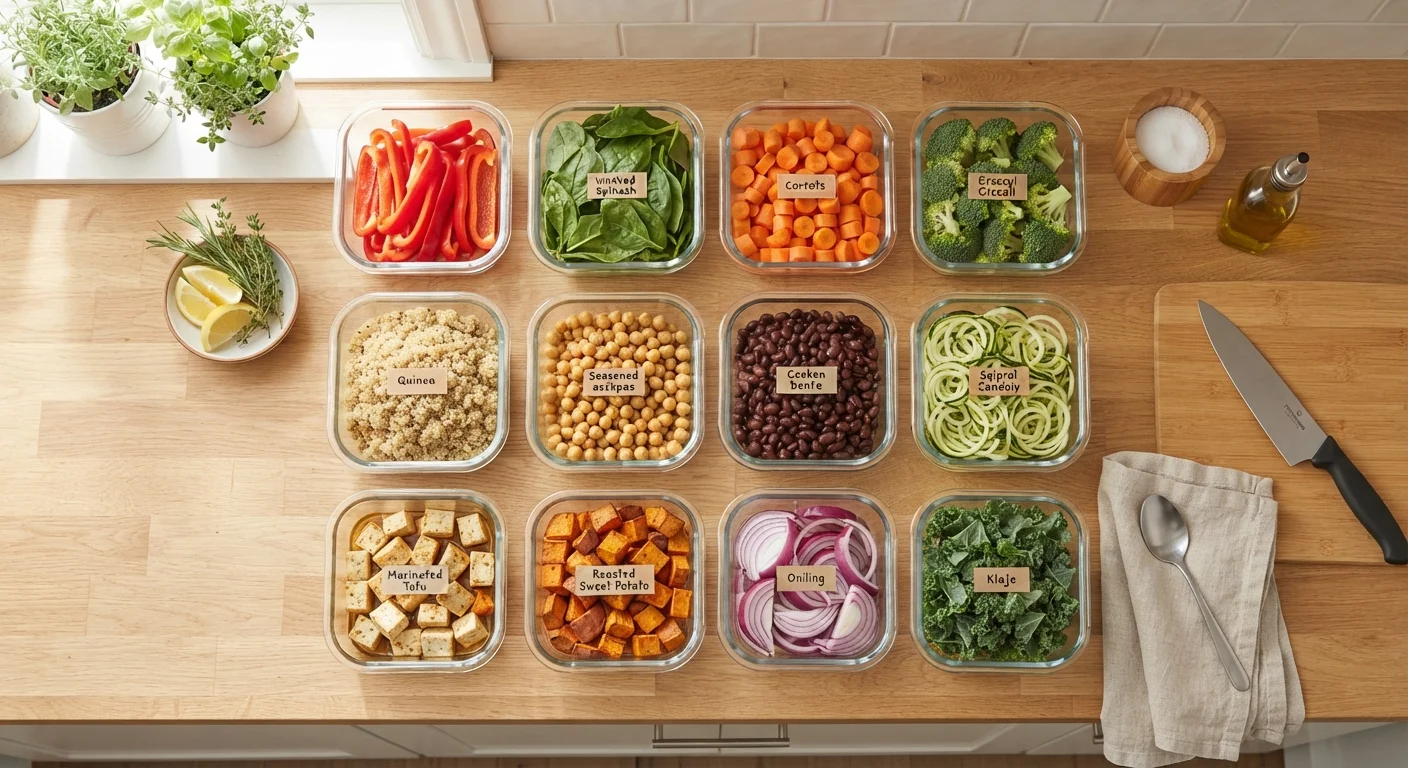
Photo: Online-Searches.net | Explore Insightful Blogs editorial
Key Takeaways
- Meal prepping doesn't require hours on Sunday — even 20–30 minutes of focused prep can meaningfully reduce weekday stress.
- Prepping is not exclusive to fitness enthusiasts; it's a practical time and money tool for any busy household.
- Prepped food doesn't have to taste bland or repetitive — flexible ingredient prep keeps meals varied all week.
- Batch cooking can reduce food waste and lower grocery spending when planned thoughtfully.
- Starting small with just one or two prepped components is more sustainable than attempting full weekly meal prep immediately.
Why Meal Prep Myths Stick Around
Meal prepping — the practice of preparing some or all of your food in advance — has accumulated a reputation shaped more by social media aesthetics than everyday reality. Rows of identical containers and elaborate Sunday cook-a-thons have made the concept feel like a lifestyle commitment rather than a practical tool. As a result, many people dismiss it before they try it.
The truth is that meal prep exists on a wide spectrum. It can mean washing and chopping vegetables on a weeknight, or it can mean cooking complete meals for five days. Neither extreme is the only valid approach. Understanding what prepping actually involves — and what it doesn't require — makes it far more accessible to ordinary households juggling work, family, and limited time.
If you've been curious but skeptical, the myths below are worth examining. They're common, they're understandable, and most of them are simply not accurate.
Myth
You need to spend all of Sunday in the kitchen to make meal prep worthwhile.
Fact
Even a focused 20–30 minute session can meaningfully reduce weekday cooking time and decision fatigue.
The image of a four-hour Sunday prep marathon is real for some households — but it's one point on a very wide spectrum, not the entry requirement. Prepping a pot of grains, washing salad greens, and portioning out snacks takes less than half an hour and still removes several daily decisions. Research on habit formation consistently shows that smaller, more frequent behaviors are easier to sustain than large, infrequent ones. A short, regular prep habit is more durable than an exhausting weekly event. See practical weekly meal planning strategies for ways to break the process into manageable stages.
Myth
Meal prepping is only for bodybuilders and people on strict fitness diets.
Fact
Meal prep is fundamentally a time and cost management tool that benefits any busy household, regardless of dietary goals.
The fitness community popularized visible meal prep culture, but the underlying practice — cooking ahead to save time and reduce impulse spending — is a household efficiency strategy with broad appeal. Parents managing school lunches, professionals with unpredictable schedules, and budget-conscious shoppers all benefit from having ready food on hand. Budget-first meal planning and prep go hand in hand regardless of any fitness goal. The habit belongs to anyone who wants to eat more intentionally.
Myth
Prepped meals taste boring and repetitive by midweek.
Fact
Component-based prep — rather than plating complete identical meals — keeps flavor variety alive throughout the week.
When people prep five identical containers of the same dish, boredom is a reasonable outcome. But this is a prep strategy problem, not an inherent flaw in the concept. Prepping flexible building blocks — roasted vegetables, a protein source, cooked legumes, a base grain — allows for different combinations each day. Monday's grain bowl becomes Tuesday's wrap and Wednesday's soup base. Full meal prep has trade-offs worth understanding, and variety preservation is one reason many experienced preppers favor the component method over portioned complete meals.
Myth
Meal prepping is expensive because you need lots of containers and specialty ingredients.
Fact
Meal prep can lower food costs by reducing waste, preventing impulse purchases, and making better use of staple ingredients.
Basic storage containers don't need to be expensive or matching sets — any food-safe lidded container works. More importantly, the cost calculus often flips in the prepper's favor: having ready food at home reduces the frequency of last-minute takeout orders and convenience-store purchases, which tend to be significantly more expensive per meal. Staple ingredients like dried beans, whole grains, eggs, and seasonal vegetables are among the most economical foods available and also among the most prep-friendly. Planned purchasing also means less produce spoilage — one of the most common sources of household food waste.
Myth
Prepped food isn't safe to eat after a day or two.
Fact
Most cooked foods stored correctly in the refrigerator remain safe for three to four days, and many items can be frozen for longer.
Food safety guidelines from the USDA indicate that most cooked proteins, grains, and vegetables stored in airtight containers at or below 40°F remain safe to eat for three to four days. Some items — soups, stews, and cooked legumes — freeze well and can extend that window significantly. The key variable is proper storage, not the act of cooking in advance itself. Keeping raw and cooked foods separate, cooling food promptly before refrigerating, and using appropriate containers all matter. For a detailed look at which foods hold up best and how to store them, the role of food storage in making prep last is worth reviewing.
Making Meal Prep Work in Real Life
Debunking myths is only useful if it opens a practical path forward. The good news is that successful meal prepping is less about technique and more about matching the approach to your actual life.
~31%
Of U.S. food spending lost to household waste
USDA research estimates that roughly 30–40% of the food supply is wasted, with household-level waste representing a substantial share of that total.
3–4 days
Safe refrigerator storage for most cooked foods
According to USDA FoodSafety.gov guidelines, most cooked proteins, grains, and vegetables remain safe when refrigerated at or below 40°F within this window.
~$3,000
Estimated annual household food waste cost
The Natural Resources Defense Council has estimated that the average American family of four discards roughly this value in food annually, much of which planned prep can help prevent.
A few evidence-supported habits tend to separate people who sustain a prep routine from those who abandon it after one weekend. First, starting with components rather than complete meals gives flexibility — cooked grains, washed greens, and roasted vegetables can combine into many different dishes throughout the week. Second, keeping the prep session short and intentional reduces the all-or-nothing pressure that causes burnout. Third, proper storage makes a genuine difference: knowing which foods hold well for three days versus five prevents waste and disappointment. The role food storage plays in keeping prep fresh is often underestimated.
If you're new to the concept entirely, starting with the core concepts of weekly meal planning can provide useful scaffolding before you add a prep layer. And if rigid schedules feel off-putting, flexible low-effort meal planning approaches may suit your style better.
Prep Should Serve Your Routine, Not Replace It
Ultimately, meal prep is a means to an end: eating well consistently without excessive cost, stress, or time. Adjusted to your household's real constraints, it can be a durable habit rather than a short-lived experiment.
This article is for general informational and educational purposes only and is not a substitute for personalized advice from a registered dietitian or qualified healthcare provider. Consult a professional for guidance tailored to your individual health needs and circumstances.
The content provided on our blog site traverses numerous categories, offering readers valuable and practical information. Readers can use the editorial team’s research and data to gain more insights into their topics of interest. However, they are requested not to treat the articles as conclusive. The website team cannot be held responsible for differences in data or inaccuracies found across other platforms. Please also note that the site might also miss out on various schemes and offers available that the readers may find more beneficial than the ones we cover.