
The Role Food Storage Actually Plays in Making Meal Prep Last the Week

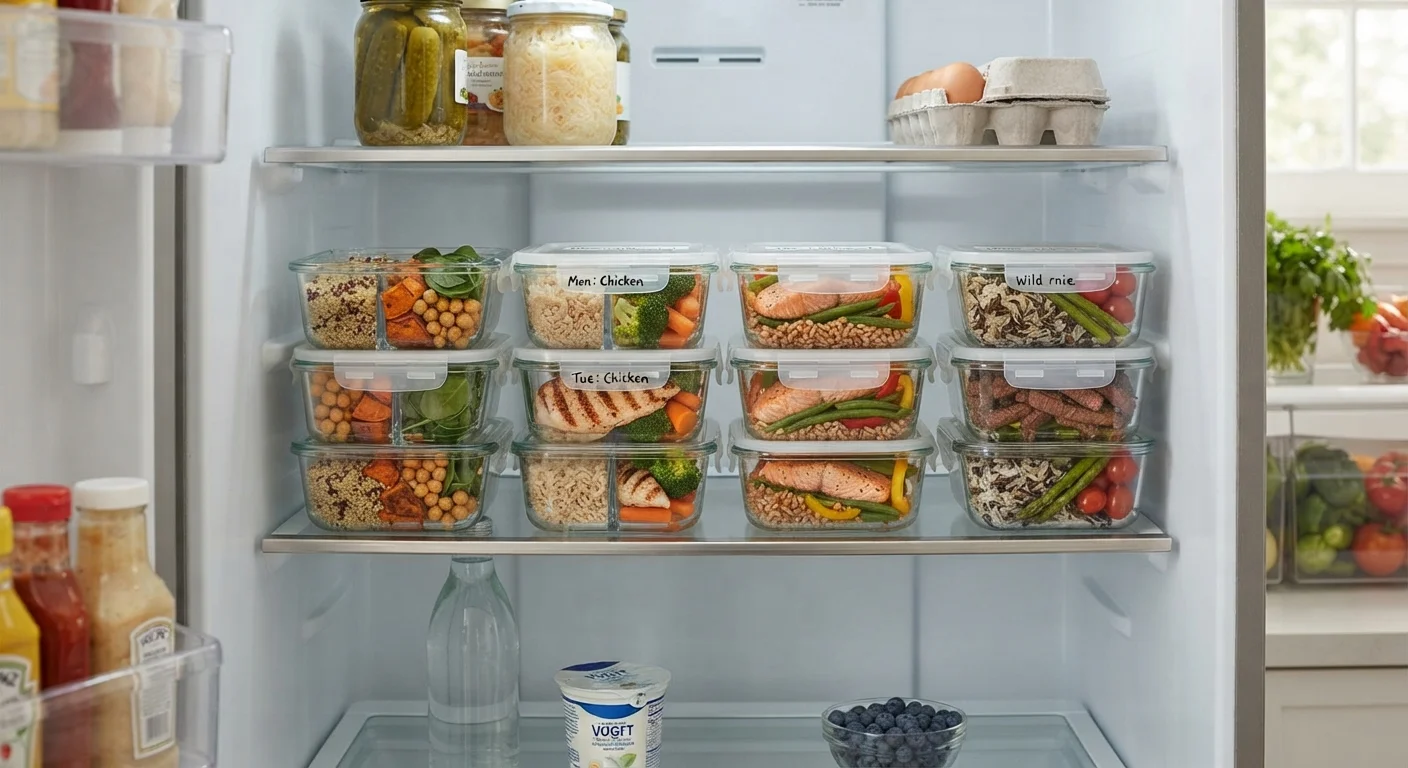
Photo: Online-Searches.net | Explore Insightful Blogs editorial
Key Takeaways
- Refrigerated prepped meals generally stay safe for three to four days; freezing extends most items to two to three months.
- Airtight containers prevent moisture loss, odor transfer, and bacterial contamination better than loose wraps or open bowls.
- Cooling food quickly before refrigerating is critical — leaving hot food out for over two hours creates food safety risk.
- Storing components separately (grains, proteins, sauces) often preserves texture and quality better than assembling full meals.
- Consistent fridge temperature, not just container choice, is what keeps food safe across the full week.
Why Storage Is the Step Most Meal Preppers Underestimate
Plenty of people invest real effort into planning and cooking their meals for the week, only to open the fridge on Wednesday to find something that looks unappetizing — or worse, raises a question about whether it's still safe. The planning and the prep get the attention; the storage rarely does.
If you're new to meal planning, it's easy to treat container choice as a minor detail. In practice, it's one of the most consequential decisions in the whole process. The right container, the right temperature, and the right timing determine whether your Sunday work pays off on Friday — or ends up in the trash.
Storage isn't just about food safety, though that's non-negotiable. It also determines texture, flavor, and whether your prepped food actually looks appealing when mealtime arrives. A soggy grain bowl or dried-out chicken breast isn't a storage success, even if the food is technically safe to eat.
40°F
Maximum safe refrigerator temperature for stored food
Per USDA Food Safety and Inspection Service guidelines, refrigerators should be set at or below 40°F to slow bacterial growth in stored foods.
2 hours
Maximum time cooked food should sit at room temperature
The USDA recommends refrigerating cooked food within two hours of cooking to prevent the rapid bacterial multiplication that occurs in the temperature danger zone.
3–4 days
Typical safe refrigerator life for most cooked meals
USDA guidelines indicate that most cooked leftovers and prepped meals remain safe for consumption within three to four days when stored properly below 40°F.
Container Choice: What the Differences Actually Mean
The core job of any meal prep container is to create an airtight seal. That seal slows oxidation, prevents moisture from escaping, blocks refrigerator odors from transferring in, and reduces the surface exposure that allows bacteria to multiply.
Beyond the seal, material matters for specific use cases. Glass containers handle temperature swings well — moving from refrigerator to oven without issue — and don't absorb food odors over time. BPA-free plastic containers are lighter and shatter-resistant, which makes them practical for packed lunches or busy households. Either works, as long as the lid closes firmly and doesn't allow air exchange.
Container size matters more than most people realize. A container that's too large for its contents leaves excess air space, which accelerates oxidation and dries out food faster. Aim to fill containers close to their capacity — or portion into smaller containers rather than storing a small amount in a large one.
Label Everything Before It Goes In
Temperature and Timing: The Variables That Actually Protect You
Temperature is the single most important variable in food storage safety. The USDA's guideline is clear: cooked food should not remain in the temperature range of 40°F–140°F for more than two hours total. Within that range, bacteria multiply rapidly. This means that letting a big batch of soup cool on the counter for three hours before refrigerating it — a common habit — creates real risk.
To cool food quickly, divide large batches into shallow containers rather than placing one deep pot directly in the fridge. Shallow containers release heat faster, which brings the food below 40°F more quickly. An ice bath can help for liquids. The goal is to get food refrigerated within two hours of cooking.
Once food is in the fridge, consistency matters. A refrigerator that fluctuates because it's opened frequently or overcrowded doesn't maintain a stable temperature. Keep high-protein prepped meals — chicken, fish, eggs — toward the back of the fridge, where temperatures are most stable, rather than in the door.
For anything you won't eat within three to four days, freezing is the practical solution. Most cooked grains, proteins, and soups freeze well for two to three months. Full-batch meal prep lends itself well to a freeze-half strategy: refrigerate what you'll eat early in the week, freeze the rest immediately after cooking.
The Component Storage Strategy: Keeping Quality High All Week
One of the most effective storage habits for meal preppers is storing components separately rather than assembling complete meals in advance. A cooked grain, a roasted protein, a portioned sauce, and a prepared vegetable stored in individual containers can be mixed and matched across the week — and each component retains its texture and flavor better in isolation.
This approach is especially useful for solo meal planners who want variety without cooking every day. Instead of five identical assembled meals, you have building blocks for five different combinations.
Dressings, sauces, and acidic elements are the biggest offenders when it comes to degrading texture. A vinaigrette will wilt greens within hours. A tomato sauce will soften pasta significantly overnight. Storing these separately and adding them at serving time makes a meaningful difference in the final eating experience.
This article is for general informational purposes only and does not constitute medical or nutritional advice. For guidance specific to your health needs, consult a qualified healthcare professional or registered dietitian.
Frequently Asked Questions
The content provided on our blog site traverses numerous categories, offering readers valuable and practical information. Readers can use the editorial team’s research and data to gain more insights into their topics of interest. However, they are requested not to treat the articles as conclusive. The website team cannot be held responsible for differences in data or inaccuracies found across other platforms. Please also note that the site might also miss out on various schemes and offers available that the readers may find more beneficial than the ones we cover.