
The Advantages and Drawbacks of Prepping All Your Meals in Advance

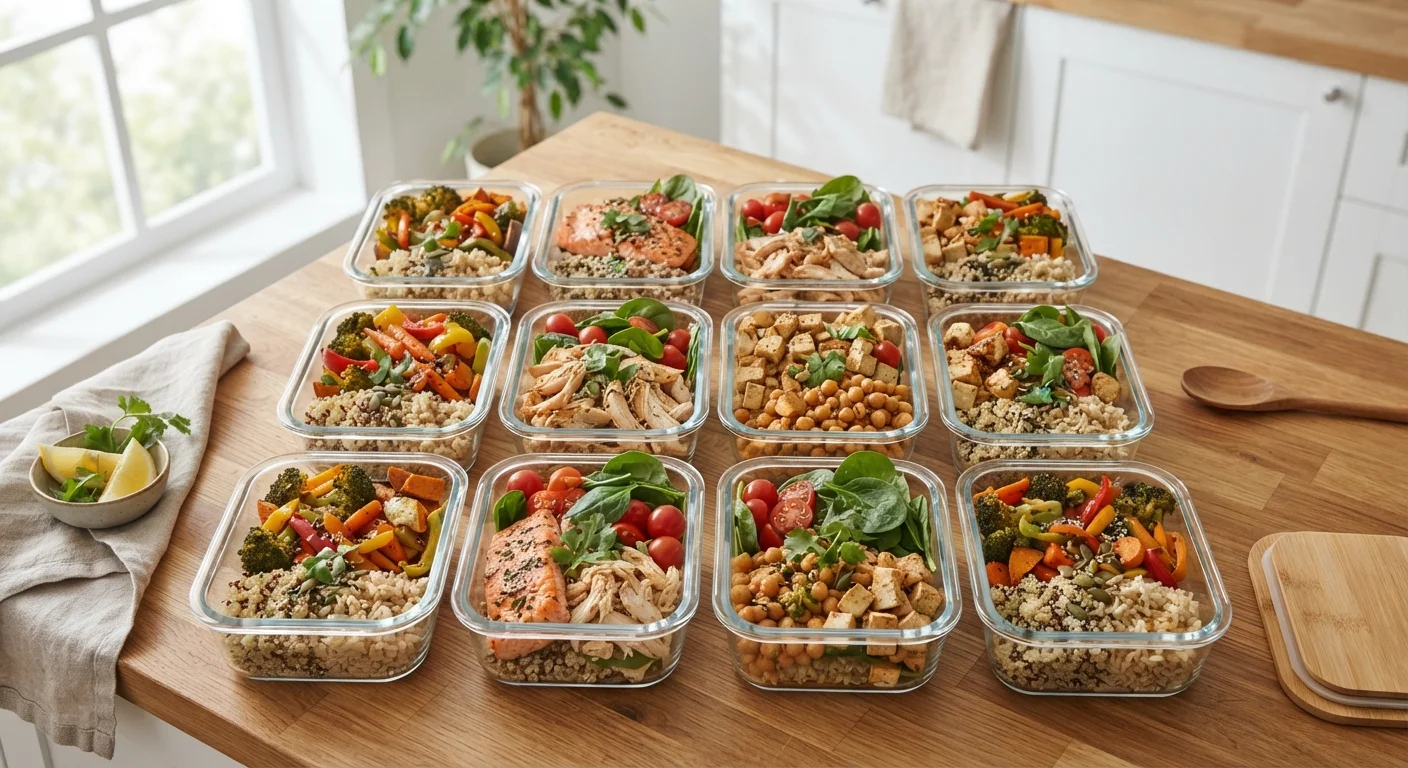
Photo: Online-Searches.net | Explore Insightful Blogs editorial
Key Takeaways
- Full meal prep reduces daily decision fatigue and saves meaningful time across the week.
- Prepped meals can lose texture and palatability after a few days, even when stored properly.
- A large upfront time and grocery investment doesn't suit every household or schedule.
- Hybrid approaches — prepping components rather than complete meals — often solve many of the downsides.
- Food safety depends on correct storage; most cooked meals keep well for three to four days refrigerated.
Eliminates daily cooking decisions and mental load
Having meals already portioned and ready removes the nightly question of what to eat, reducing decision fatigue during busy weekdays when time and energy are limited.
Supports more consistent, balanced eating
When healthy meals are already prepared, you're far less likely to default to convenience food or skip eating altogether — the path of least resistance becomes the nutritious option.
Reduces food waste and grocery spending
Shopping with a complete weekly menu means buying only what you need, using everything purchased, and avoiding the incremental costs of last-minute store trips or takeout.
Saves significant cumulative time across the week
Cooking once rather than five or six times means less active kitchen time overall, even accounting for the longer single prep session. Cleanup happens once instead of nightly.
Easier to manage specific dietary goals
Full prep makes it straightforward to control portion sizes, balance macronutrients, or follow a particular eating pattern consistently — without having to recalculate or re-decide each day.
Requires a large upfront time investment
Prepping a full week of meals can take two to four hours or more depending on the menu — a meaningful commitment that doesn't fit every schedule, particularly for those whose weekends are already full.
Food quality declines over several days
Cooked proteins, roasted vegetables, and assembled dishes often lose texture, moisture, and appeal by mid-week, regardless of how well they are stored.
Can feel rigid when life changes unexpectedly
Unplanned social meals, travel, or simply shifting appetite can leave prepped food unused — creating waste and potentially guilt, which erodes motivation to continue.
Not all foods prep equally well
Delicate greens, crispy textures, and dishes with fresh herbs or dairy components are difficult to prep days in advance without significant quality loss.
Requires adequate containers and refrigerator space
Storing five to seven days of full meals demands a meaningful number of containers and substantial refrigerator real estate — a practical barrier in smaller kitchens or shared households.
What Full Meal Prep Actually Means
Full meal prep means cooking and portioning complete, ready-to-eat meals — usually for the entire week — during a single dedicated session. It goes beyond simply chopping vegetables or cooking a large pot of grains. You're assembling finished dishes: breakfasts, lunches, dinners, and sometimes snacks, stored in individual containers and pulled out as needed.
This approach is popular for good reason, but it's worth separating the genuine benefits from the friction it introduces before you commit your Sunday afternoon to it. If you're new to planning food for the week at all, our guide for beginners covers the foundational concepts first.
The Real Advantages
Eliminates daily cooking decisions and mental load
Having meals already portioned and ready removes the nightly question of what to eat, reducing decision fatigue during busy weekdays when time and energy are limited.
Supports more consistent, balanced eating
When healthy meals are already prepared, you're far less likely to default to convenience food or skip eating altogether — the path of least resistance becomes the nutritious option.
Reduces food waste and grocery spending
Shopping with a complete weekly menu means buying only what you need, using everything purchased, and avoiding the incremental costs of last-minute store trips or takeout.
Saves significant cumulative time across the week
Cooking once rather than five or six times means less active kitchen time overall, even accounting for the longer single prep session. Cleanup happens once instead of nightly.
Easier to manage specific dietary goals
Full prep makes it straightforward to control portion sizes, balance macronutrients, or follow a particular eating pattern consistently — without having to recalculate or re-decide each day.
The strongest case for full meal prep is decision elimination. When every meal is already made and labeled, you bypass the daily mental load of figuring out what to eat, whether you have ingredients, and how long cooking will take. That reduction in decision fatigue is especially valuable on high-stress weekdays when willpower is already stretched.
Financially, prepping in advance typically means buying ingredients in larger quantities and wasting less. You shop with a clear list, use everything you buy, and avoid the impulse spending that comes with last-minute grocery runs or takeout orders.
3–4 days
Safe refrigerator life for most cooked meals
The U.S. Food and Drug Administration advises consuming most cooked leftovers within three to four days when stored at or below 40°F.
~2–4 hrs
Typical time for a full weekly prep session
Meal planning practitioners commonly report spending two to four hours on a comprehensive weekly prep, depending on menu complexity and kitchen setup.
The Genuine Drawbacks
Requires a large upfront time investment
Prepping a full week of meals can take two to four hours or more depending on the menu — a meaningful commitment that doesn't fit every schedule, particularly for those whose weekends are already full.
Food quality declines over several days
Cooked proteins, roasted vegetables, and assembled dishes often lose texture, moisture, and appeal by mid-week, regardless of how well they are stored.
Can feel rigid when life changes unexpectedly
Unplanned social meals, travel, or simply shifting appetite can leave prepped food unused — creating waste and potentially guilt, which erodes motivation to continue.
Not all foods prep equally well
Delicate greens, crispy textures, and dishes with fresh herbs or dairy components are difficult to prep days in advance without significant quality loss.
Requires adequate containers and refrigerator space
Storing five to seven days of full meals demands a meaningful number of containers and substantial refrigerator real estate — a practical barrier in smaller kitchens or shared households.
The most underestimated drawback is food quality over time. Many dishes that taste excellent fresh — roasted vegetables, leafy salads, anything with a crispy element — deteriorate noticeably by day three or four. Proteins can dry out; grains can become gummy; sauces separate. This isn't a storage failure; it's simply how cooked food behaves. Good storage helps, but it doesn't fully solve the problem. See how storage decisions affect meal quality and safety for a practical breakdown.
There's also the rigidity problem. Life rarely follows a meal plan precisely. Social dinners, appetite changes, travel, or simply not wanting Tuesday's grain bowl on Thursday afternoon can leave you with containers of food you don't want to eat — and that psychological friction can undermine the whole system.
Food Safety Is Non-Negotiable
When the Tradeoffs Are Worth It
Full meal prep tends to work best for people with predictable schedules and consistent food preferences. If you eat lunch at your desk most days and don't mind eating similar meals across the week, the time investment pays off clearly. Athletes, shift workers, and people managing specific dietary goals often find the structure genuinely helpful.
It's a less natural fit for households where people eat different things, for cooks who value variety, or for anyone whose week frequently goes off-script. In those cases, a component-based approach — prepping proteins, grains, and vegetables separately to assemble into different meals — often delivers most of the convenience without locking you into fixed dishes. Comparing batch cooking to daily cooking can help you identify which structure actually fits your life.
For a broader look at what meal prep realistically involves — including common misconceptions about how long it takes and who it's actually for — separating meal prep hype from habit is worth reading alongside this article.
This article provides general nutrition and meal planning information for educational purposes only. It is not a substitute for advice from a qualified healthcare professional or registered dietitian.
The content provided on our blog site traverses numerous categories, offering readers valuable and practical information. Readers can use the editorial team’s research and data to gain more insights into their topics of interest. However, they are requested not to treat the articles as conclusive. The website team cannot be held responsible for differences in data or inaccuracies found across other platforms. Please also note that the site might also miss out on various schemes and offers available that the readers may find more beneficial than the ones we cover.