
Plant-Based Eating: Nutritional Strengths, Gaps, and Realistic Considerations

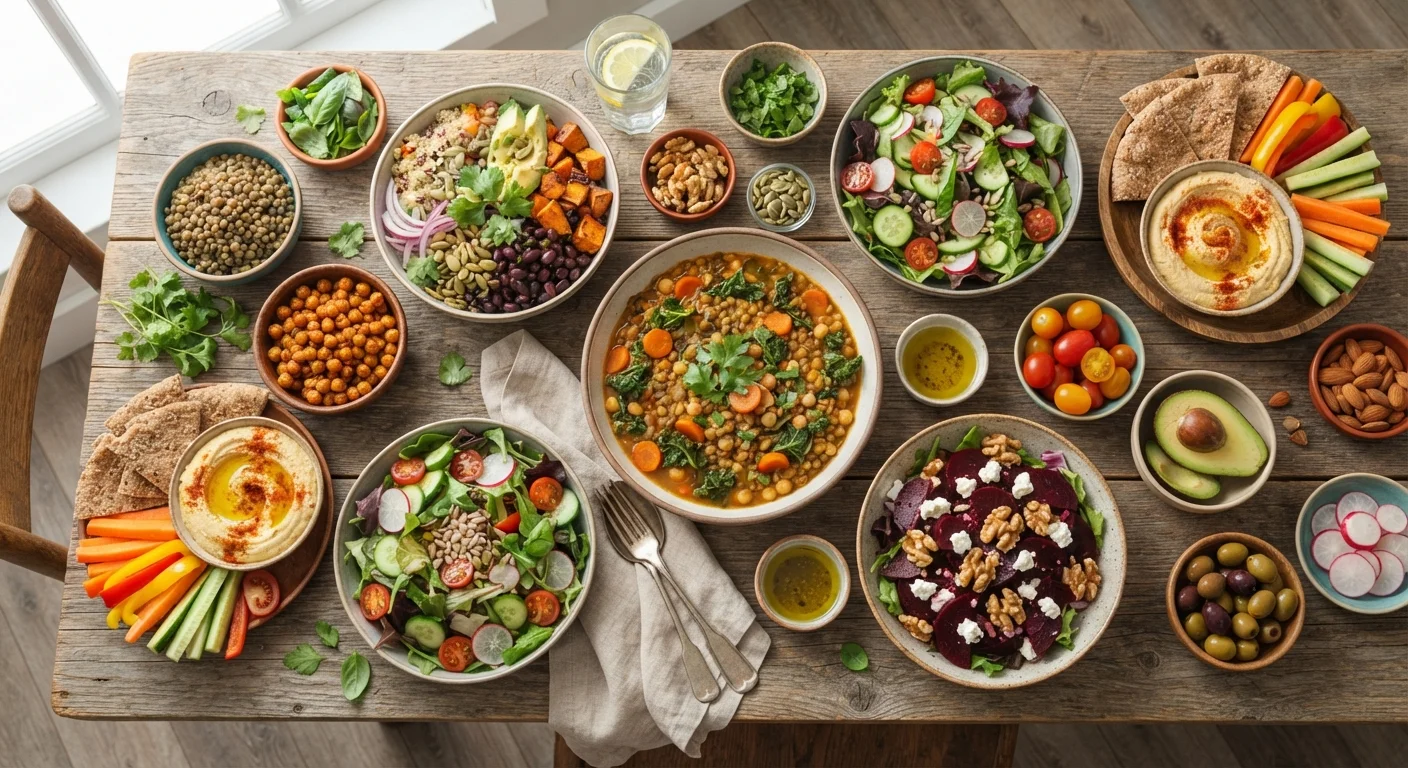
Photo: Online-Searches.net | Explore Insightful Blogs editorial
Key Takeaways
- Plant-heavy diets are consistently linked to lower rates of heart disease, type 2 diabetes, and certain cancers.
- Several critical nutrients — including B12, iron, and omega-3s — require deliberate planning on a plant-based diet.
- Plant-based does not automatically mean healthy; food quality and variety still determine nutritional outcomes.
- Most people can transition gradually, without going fully vegan, and still gain meaningful health benefits.
- Anyone with existing health conditions should consult a healthcare provider before making major dietary changes.
Strong association with reduced cardiovascular disease risk
Multiple large cohort studies link plant-forward eating to lower LDL cholesterol, reduced blood pressure, and a meaningfully lower rate of heart disease events compared to typical Western diets.
High fiber intake supports digestive and metabolic health
Whole plant foods are the primary source of dietary fiber, which supports bowel regularity, feeds beneficial gut bacteria, and helps moderate blood sugar and cholesterol levels.
Rich in micronutrients and anti-inflammatory plant compounds
Vegetables, legumes, and whole grains provide an array of vitamins, minerals, and phytonutrients — such as flavonoids and carotenoids — that are linked to reduced inflammation and long-term cellular health.
Associated with healthier body weight over time
Research consistently finds that people eating predominantly plant-based diets tend to have lower BMIs, likely due to the higher fiber and water content of whole plant foods promoting satiety at lower calorie densities.
Linked to lower risk of type 2 diabetes
High-quality plant-based diets — those emphasizing whole grains, vegetables, legumes, and nuts over refined carbohydrates — are associated with meaningfully reduced risk of developing type 2 diabetes in prospective studies.
Vitamin B12 is absent from most plant foods
B12 is not reliably present in any unfortified plant food. Those avoiding all animal products must supplement or consume B12-fortified foods consistently to prevent deficiency, which can cause irreversible neurological damage if left unaddressed.
Iron and zinc absorption is lower from plant sources
Non-heme iron and phytate-bound zinc from legumes and grains are absorbed less efficiently than their animal-food counterparts. Dietary strategies — like pairing iron-rich foods with vitamin C — can improve absorption, but this requires active attention.
Omega-3 EPA and DHA are difficult to obtain without fish
While plant foods supply ALA, the body's conversion rate to the more bioactive EPA and DHA forms is limited. Algae-derived omega-3 supplements can address this gap, but require an intentional choice and additional cost.
Protein requires more planning to meet complete amino acid needs
Most plant protein sources are lower in one or more essential amino acids compared to animal proteins. Eating a variety of legumes, grains, and seeds across the day addresses this, but it adds a layer of planning that many find unfamiliar at first.
Calcium intake may fall short without dairy
Dairy is the most concentrated calcium source in a typical American diet. Plant alternatives — fortified plant milks, tofu made with calcium sulfate, and leafy greens — can compensate, but only if specifically incorporated rather than assumed.
Highly processed plant-based products undercut health benefits
Many packaged plant-based foods are high in sodium, saturated fat, and refined carbohydrates. Relying on these products rather than whole plant foods can negate the nutritional advantages associated with plant-forward eating in research.
What Plant-Based Eating Actually Means
"Plant-based" has become one of the most overused terms in food marketing, which has muddied what it actually describes. In general health and nutrition contexts, a plant-based diet emphasizes whole or minimally processed foods derived from plants — vegetables, fruits, legumes, whole grains, nuts, and seeds — while reducing or eliminating animal products. Unlike a strictly vegan diet, plant-based eating exists on a spectrum. Plant-based and vegan are not interchangeable terms — and understanding that distinction matters when evaluating what the research actually says.
For the purposes of this article, we treat plant-based eating as a predominantly whole-food, plant-forward pattern that may include small or occasional amounts of animal products. That framing reflects both common practice and most of the dietary research. Whether you are considering a full transition or simply shifting the balance of your plate, the nutritional principles here apply.
The Real Nutritional Strengths
The evidence supporting plant-forward eating patterns is substantial and consistent across multiple large-scale studies. Diets rich in whole plant foods are associated with meaningfully lower rates of cardiovascular disease, type 2 diabetes, hypertension, and several diet-related cancers. Several mechanisms likely explain this: higher fiber intake, a better ratio of unsaturated to saturated fats, greater micronutrient density, and a diversity of phytonutrients — plant compounds with antioxidant and anti-inflammatory properties.
Strong association with reduced cardiovascular disease risk
Multiple large cohort studies link plant-forward eating to lower LDL cholesterol, reduced blood pressure, and a meaningfully lower rate of heart disease events compared to typical Western diets.
High fiber intake supports digestive and metabolic health
Whole plant foods are the primary source of dietary fiber, which supports bowel regularity, feeds beneficial gut bacteria, and helps moderate blood sugar and cholesterol levels.
Rich in micronutrients and anti-inflammatory plant compounds
Vegetables, legumes, and whole grains provide an array of vitamins, minerals, and phytonutrients — such as flavonoids and carotenoids — that are linked to reduced inflammation and long-term cellular health.
Associated with healthier body weight over time
Research consistently finds that people eating predominantly plant-based diets tend to have lower BMIs, likely due to the higher fiber and water content of whole plant foods promoting satiety at lower calorie densities.
Linked to lower risk of type 2 diabetes
High-quality plant-based diets — those emphasizing whole grains, vegetables, legumes, and nuts over refined carbohydrates — are associated with meaningfully reduced risk of developing type 2 diabetes in prospective studies.
Fiber deserves particular attention. Most Americans consume well below the recommended daily intake, and whole plant foods are its primary dietary source. Adequate fiber supports digestive health, helps regulate blood sugar and cholesterol, and is linked to a more diverse gut microbiome — an area of growing research interest. Building a genuinely balanced plate around plant staples makes reaching fiber targets considerably easier.
The Nutritional Gaps You Need to Plan Around
No dietary pattern is without trade-offs, and plant-based eating has predictable nutritional gaps that require deliberate planning rather than hope. Ignoring them is where well-intentioned transitions go wrong.
Vitamin B12 is absent from most plant foods
B12 is not reliably present in any unfortified plant food. Those avoiding all animal products must supplement or consume B12-fortified foods consistently to prevent deficiency, which can cause irreversible neurological damage if left unaddressed.
Iron and zinc absorption is lower from plant sources
Non-heme iron and phytate-bound zinc from legumes and grains are absorbed less efficiently than their animal-food counterparts. Dietary strategies — like pairing iron-rich foods with vitamin C — can improve absorption, but this requires active attention.
Omega-3 EPA and DHA are difficult to obtain without fish
While plant foods supply ALA, the body's conversion rate to the more bioactive EPA and DHA forms is limited. Algae-derived omega-3 supplements can address this gap, but require an intentional choice and additional cost.
Protein requires more planning to meet complete amino acid needs
Most plant protein sources are lower in one or more essential amino acids compared to animal proteins. Eating a variety of legumes, grains, and seeds across the day addresses this, but it adds a layer of planning that many find unfamiliar at first.
Calcium intake may fall short without dairy
Dairy is the most concentrated calcium source in a typical American diet. Plant alternatives — fortified plant milks, tofu made with calcium sulfate, and leafy greens — can compensate, but only if specifically incorporated rather than assumed.
Highly processed plant-based products undercut health benefits
Many packaged plant-based foods are high in sodium, saturated fat, and refined carbohydrates. Relying on these products rather than whole plant foods can negate the nutritional advantages associated with plant-forward eating in research.
Vitamin B12 is the most critical gap for those avoiding all animal products. B12 is not reliably found in plant foods, and deficiency — which can develop gradually — has serious neurological consequences. Supplementation or consumption of fortified foods is not optional for strict plant-based eaters; it is necessary. Those who still consume dairy or eggs may meet their needs through those sources, but should monitor their intake.
Iron and zinc are present in legumes and whole grains, but in a form (non-heme iron, phytate-bound zinc) that the body absorbs less efficiently than from animal sources. Pairing iron-rich plant foods with vitamin C — for example, adding bell pepper to a lentil dish — meaningfully improves absorption. Comparing protein sources across eating patterns also helps clarify how to meet mineral needs without meat.
Omega-3 fatty acids present a more nuanced gap. Plant foods provide ALA (alpha-linolenic acid), found in flaxseed, chia seeds, and walnuts, but the body converts only a small fraction of ALA into the EPA and DHA forms most relevant to cardiovascular and brain health. Algae-based omega-3 supplements offer a direct plant-derived source of EPA and DHA — worth discussing with a healthcare provider, particularly for those who previously relied on fatty fish.
Special Populations: Get Professional Guidance First
"Plant-Based" Does Not Equal Automatically Healthy
One of the most important caveats in the research is that the health benefits associated with plant-based diets apply to whole-food plant-based patterns — not to any food that happens to exclude meat. The processed food industry has produced an expanding range of plant-based burgers, nuggets, deli slices, and snacks that are high in sodium, saturated fat, and refined starches. Swapping a beef burger for a highly processed plant-based patty is not the same nutritional move as centering meals on beans, vegetables, and whole grains.
~17g
Average daily fiber intake for U.S. adults
The Dietary Guidelines for Americans recommend 25–38g per day depending on age and sex; most adults consume less than half the upper target, a gap that whole plant foods can substantially close.
~23%
Lower cardiovascular mortality risk in plant-based diet studies
A meta-analysis published in the Journal of the American Heart Association found that adherence to plant-based dietary patterns was associated with approximately 23% lower risk of cardiovascular mortality.
Similarly, a diet heavy in white rice, refined bread, fruit juice, and packaged vegan snacks can be plant-based while still driving poor metabolic outcomes. Vegetables often get crowded out of American meals even in nominally healthy diets — and a plant-based framework is only as strong as the actual variety and quality of foods within it. Finding a dietary approach that fits your actual life is ultimately more important than adhering to any particular label.
This article is for general informational purposes only and does not constitute medical or nutritional advice. Consult a registered dietitian or qualified healthcare provider before making significant changes to your diet, especially if you have an existing health condition.
The content provided on our blog site traverses numerous categories, offering readers valuable and practical information. Readers can use the editorial team’s research and data to gain more insights into their topics of interest. However, they are requested not to treat the articles as conclusive. The website team cannot be held responsible for differences in data or inaccuracies found across other platforms. Please also note that the site might also miss out on various schemes and offers available that the readers may find more beneficial than the ones we cover.