
Grout vs. Caulk: Choosing the Right Filler for Every Joint

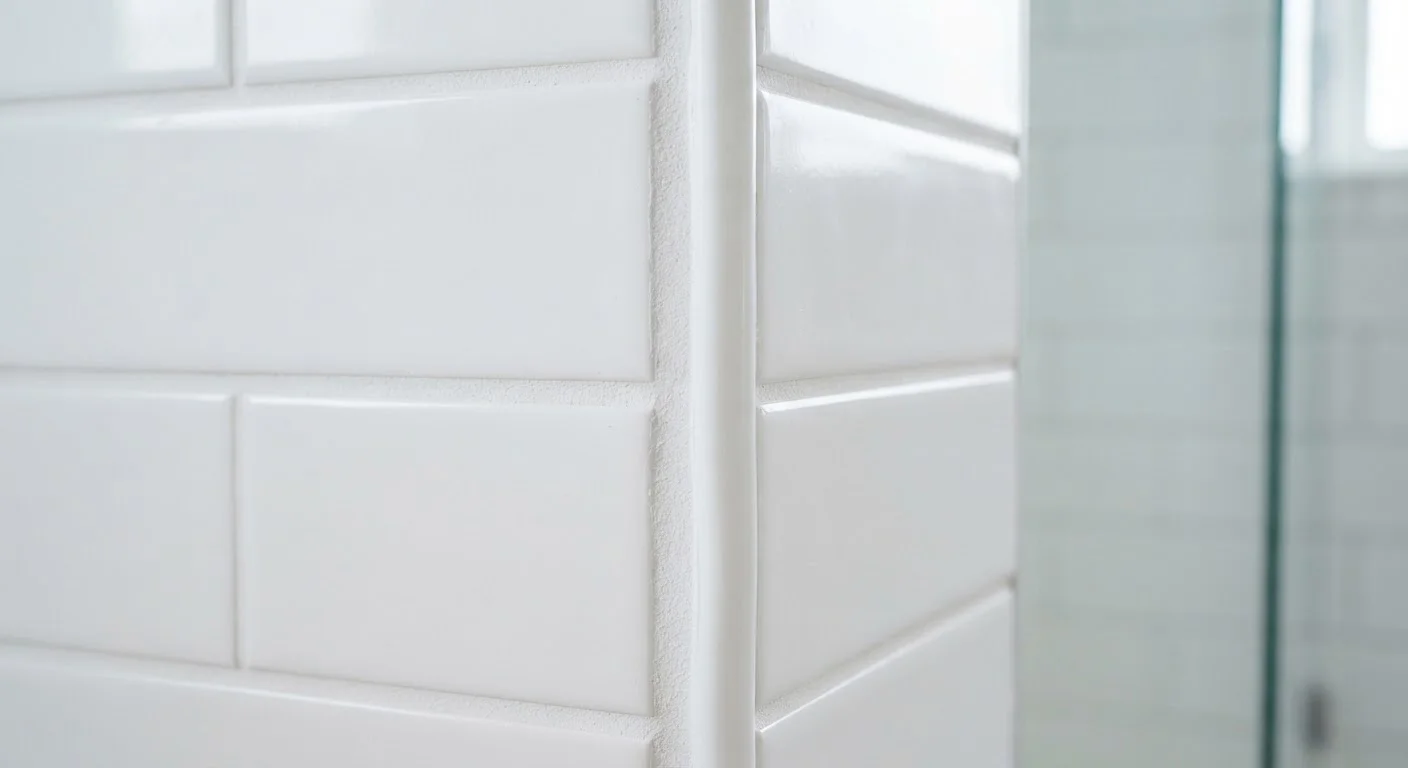
Photo: Online-Searches.net | Explore Insightful Blogs editorial
Key Takeaways
- Grout is rigid and belongs between tiles on flat planes; caulk is flexible and belongs at corners, edges, and transitions.
- Using grout where caulk is needed leads to cracking because grout cannot absorb movement between surfaces.
- All inside corners — where walls meet floors, or tub meets tile — should always be caulked, not grouted.
- Caulk requires periodic replacement; grout, properly sealed, can last many years without attention.
- Matching caulk color to your grout creates a seamless, professional look in finished spaces.
What Each Material Actually Is
Grout and caulk are both used to fill joints in tiled spaces, but their chemistry and purpose are fundamentally different. Understanding that difference is the foundation of any successful tile project.
Grout is a cement-based (or epoxy-based) compound mixed to a paste and packed into the gaps between tiles. Once cured, it becomes rigid and hard. It bonds the tile layout together visually and structurally, but it has virtually no flexibility. Any shifting or movement in the substrate can cause it to crack.
Caulk is a silicone, latex, or hybrid polymer sealant that cures into a rubbery, flexible bead. It is designed to stretch and compress slightly as surfaces move relative to each other. That elasticity is what makes it the right choice wherever two different materials or planes come together. See our tile installation guide for how these materials fit into the broader tiling process.
| Criterion | Grout | Caulk |
|---|---|---|
| Composition | Cement- or epoxy-based | Silicone, latex, or hybrid polymer |
| Flexibility | Rigid when cured | Flexible and elastic |
| Best location | Between tiles on flat planes | Corners, edges, transitions |
| Water resistance | Requires sealing | Inherently water-resistant |
| Lifespan | Decades when properly sealed | Typically 5–10 years |
| Failure mode | Cracks under movement | Peels, shrinks, discolors |
| Repair difficulty | Moderate (requires regrout tool) | Easy (remove, clean, reapply) |
The Rule Every Homeowner Should Memorize
There is one guideline that covers the vast majority of decisions: grout fills the field; caulk seals the changes.
A "change" in this context means any place where movement can occur — where two surfaces meet at a corner, where tile transitions to a different material, or where a fixture is set against tile. Common caulk locations include:
- Inside corners where tiled walls meet each other
- The joint where a tile wall meets a tub surround or shower pan
- The line between a backsplash and a countertop
- Where tile meets a window sill or door frame
- The perimeter of a tiled floor where it meets the baseboard
Common grout locations include the joints between every tile on a flat wall or floor plane — anywhere the surface is uniform and stable. If you have used grout at a corner and it keeps cracking back out, that is your signal: it needs to be replaced with caulk. Our article on why caulk keeps cracking explains what happens when the wrong material is used or application technique goes wrong.
A Note on Epoxy Grout
Maintenance and Long-Term Performance
Grout and caulk age differently, and knowing what to expect helps you maintain your tile surfaces without guesswork.
Grout is porous and should be sealed after installation and periodically thereafter to resist moisture and staining. Unsealed grout in wet areas like showers will absorb water and harbor mildew over time. Well-maintained and sealed grout can last for the life of the tile installation.
Caulk, by contrast, has a more limited service life — typically anywhere from five to ten years depending on the product type, exposure, and how well it was applied. It will eventually discolor, shrink, or peel away from the surface. The good news is that re-caulking is a straightforward repair: remove the old bead, clean the joint, and apply a fresh line. When choosing a caulk color, look for products formulated to match standard grout colors — this keeps the finished look consistent and professional.
When in doubt during a repair, probe the joint: if the surrounding area is solid tile-to-tile with no flexing structure beneath, grout is likely the right call. If the joint sits at a corner or a transition point, reach for the caulk.
The content provided on our blog site traverses numerous categories, offering readers valuable and practical information. Readers can use the editorial team’s research and data to gain more insights into their topics of interest. However, they are requested not to treat the articles as conclusive. The website team cannot be held responsible for differences in data or inaccuracies found across other platforms. Please also note that the site might also miss out on various schemes and offers available that the readers may find more beneficial than the ones we cover.