Organizing a Small Apartment: Strategies That Work in Tight Spaces

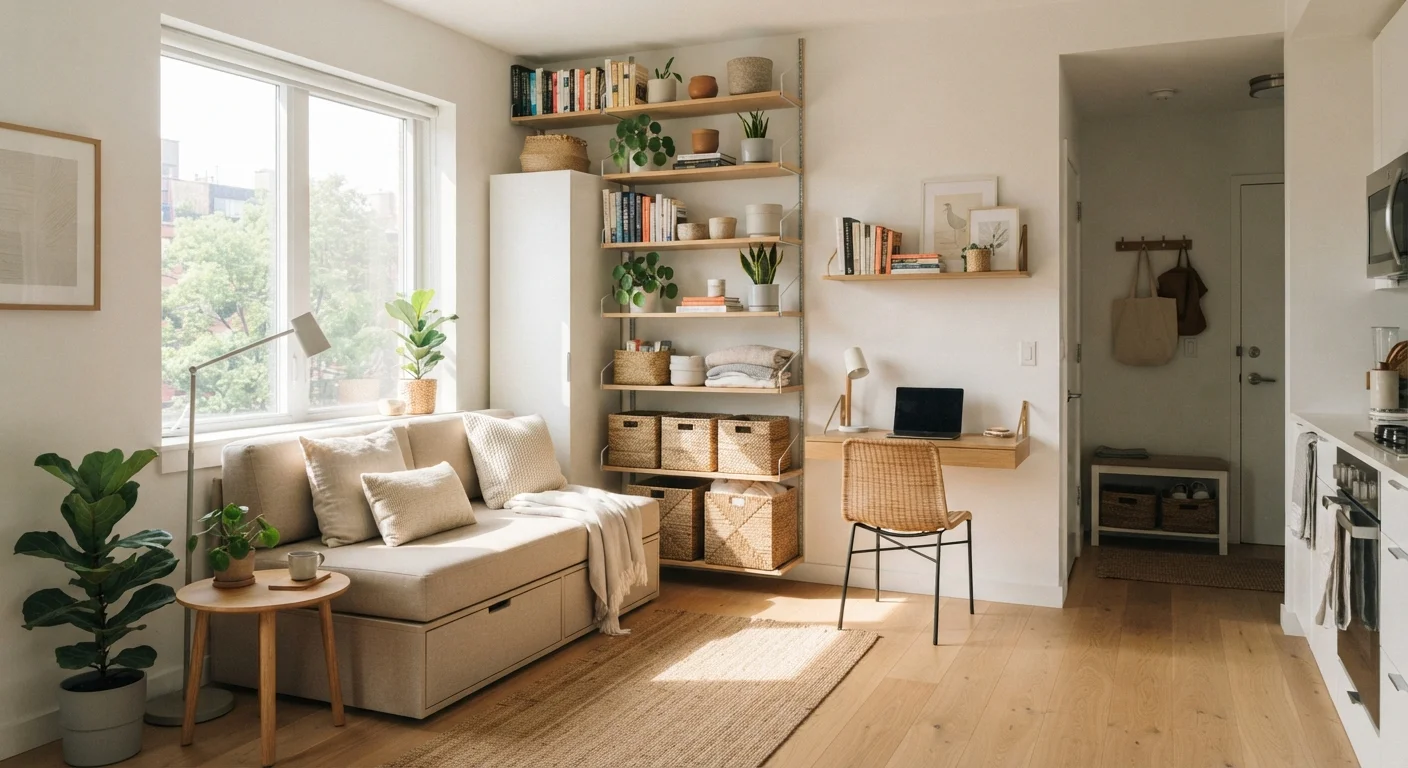
Photo: Online-Searches.net | Explore Insightful Blogs editorial
Key Takeaways
- Vertical space is one of the most underused storage opportunities in small apartments.
- Multifunctional furniture dramatically reduces clutter without sacrificing comfort or style.
- Decluttering before organizing prevents small spaces from filling up again quickly.
- Consistent zone-based systems make it easier for everyone in the household to maintain order.
- Hidden and door-mounted storage can double usable space in kitchens and bathrooms.
Why Small-Space Organization Requires a Different Approach
Standard organization advice often assumes ample closets, a garage, and a basement. For the millions of Americans living in studios, one-bedroom apartments, or compact urban homes, that advice rarely translates. Small spaces punish disorganization faster and more visibly — and they reward smart systems just as quickly.
The strategies below are designed specifically for limited square footage. They don't require a complete renovation or major investment, just a shift in how you think about the space you already have. If you've been relying on assumptions about what organization requires, it's worth checking those first — the common home organization myths piece is a useful reality check before you start.
Start With One Room, Not the Whole Apartment
Declutter before you organize anything
No storage system — however clever — can compensate for too much stuff. Before rearranging a single shelf, do a honest sweep of every room and remove items you no longer use, need, or love. Donate, recycle, or discard them. In a small apartment, every object competes for limited real estate, so only things that earn their place should stay.
Sort in categories rather than room by room: all clothing together, all kitchen gadgets together. This makes duplicates obvious and decisions easier. If you want a structured starting point, the pre-organization checklist walks you through assessing a space before moving anything.
No storage system can compensate for too much stuff — declutter first, always.
Go vertical with wall-mounted shelving
Most small apartments have one massively underused resource: wall height. Floor-to-ceiling shelving in living rooms, bedrooms, and even hallways creates substantial storage without shrinking your floor plan. Open shelves work well for books, plants, and decorative items, while closed cabinets keep visual clutter contained.
Floating shelves above desks or sofas take advantage of dead wall space. In the kitchen, a mounted magnetic knife strip or a wall rail with hooks frees up an entire drawer. When mounting shelves, always locate wall studs or use appropriate anchors rated for the intended load — wall type and anchor selection matter for safety. If you're uncertain about the wall structure, consult a handyman or building manager before drilling.
Floor-to-ceiling shelving creates substantial storage without shrinking your floor plan.
Choose multifunctional furniture strategically
In a tight space, every piece of furniture should ideally do at least two jobs. An ottoman with interior storage replaces both a coffee table and a linen closet. A bed frame with built-in drawers eliminates the need for a separate dresser. A fold-down wall desk creates a home office that disappears when not in use.
The key is choosing pieces sized for your actual space — oversized storage furniture creates the opposite problem. Measure carefully and prioritize pieces that solve your specific bottlenecks, whether that's bedding, shoes, or paperwork. This approach pairs well with the broader guidance in the complete home organization resource.
Every piece of furniture in a small space should ideally perform at least two functions.
Maximize door and cabinet interior space
The backs of cabinet doors and closet doors are prime, often-ignored storage zones. Over-the-door organizers work for cleaning supplies, shoes, pantry items, and toiletries. Inside cabinet doors, adhesive or screw-mounted racks hold spices, lids, or small tools without consuming shelf space.
Inside closets, consider a second hanging rod below shorter garments to double hanging capacity. Shelf dividers keep folded items from toppling. Clear bins on upper shelves make infrequently used items visible and reachable without guesswork. These small changes compound quickly in kitchens and bathrooms where storage is almost always insufficient.
The back of a cabinet door is prime storage space that most renters never use.
Create dedicated zones for daily-use items
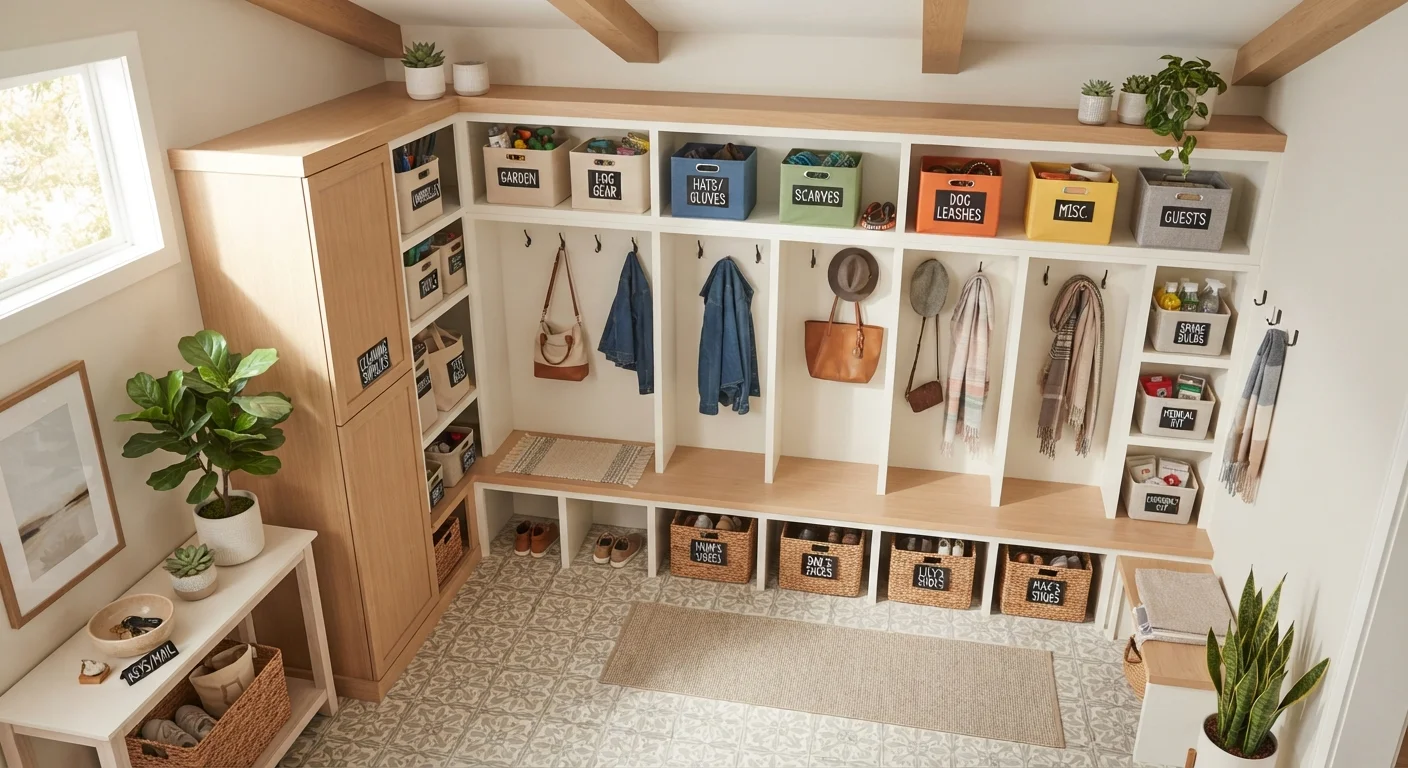
When everything has a home and that home makes logical sense, putting things away becomes nearly automatic. Designate specific zones for categories that generate the most daily clutter: mail, keys, bags, chargers, and shoes near the entry; cooking tools within arm's reach of the stove; cleaning supplies close to where they're used.
Label bins and baskets, especially in shared spaces — labels remove ambiguity and help roommates or family members stay aligned on the system. For households with multiple people, the guide to keeping everyone on the same page offers practical approaches for making shared systems stick.
When everything has a logical home, putting things away becomes nearly automatic.
Use under-bed and under-sink storage deliberately
The space beneath a bed can hold an entire season's worth of clothing, extra bedding, or shoes — provided you use flat, rolling bins designed for low clearance. Vacuum-seal bags compress bulky items like comforters significantly, freeing up substantial space. Label each bin so you're not pulling everything out to find one item.
Under the bathroom sink is another frequently chaotic zone. Stackable risers or small shelving units that work around plumbing pipes bring order to this awkward space. Tension rods inside the cabinet can hold spray bottles upright, freeing the floor of the cabinet for bins of grouped supplies. Treating these hidden zones with the same intention as visible storage pays off consistently.
Flat rolling bins and vacuum bags can turn under-bed space into a full seasonal wardrobe.
Building a System That Stays Organized
Putting a system in place is only half the work — maintaining it is where most people struggle, especially in small apartments where a few misplaced items can make the whole space feel chaotic again. The key is designing systems with the lowest possible friction: returns should be as easy as retrieval.
Renters: Check Before You Mount
Resist the temptation to keep acquiring storage containers as a substitute for ongoing editing. Periodically — seasonally works well for most households — revisit each zone and remove anything that no longer belongs. Small apartments actually have one advantage here: there's less space to hide clutter, so problem areas surface quickly. Pair these habits with the broader principles in the complete home organization guide to build a system that holds up over time.
The content provided on our blog site traverses numerous categories, offering readers valuable and practical information. Readers can use the editorial team’s research and data to gain more insights into their topics of interest. However, they are requested not to treat the articles as conclusive. The website team cannot be held responsible for differences in data or inaccuracies found across other platforms. Please also note that the site might also miss out on various schemes and offers available that the readers may find more beneficial than the ones we cover.